
You wake up the morning after LASIK and your eyelids look puffy, heavy, maybe even slightly bruised. Before the worry sets in — this is one of the most common and predictable side effects of laser vision correction. Some degree of eyelid swelling happens to nearly every patient, and in the vast majority of cases, it resolves within a few days without any intervention beyond basic aftercare.
That said, not all post-LASIK swelling is the same. The puffiness from the lid speculum holding your eyes open during surgery is very different from swelling accompanied by pain, discharge, or worsening vision. This guide explains exactly why your eyelids swell after LASIK, what the normal recovery timeline looks like, the practical steps that speed resolution, and the specific warning signs that mean you should call your surgeon rather than wait. Whether you had traditional flap-based LASIK, surface ablation like TransPRK, or a keyhole procedure like SMILE, the recovery principles below apply.
Key Takeaways
- Eyelid swelling after LASIK is normal and expected — it results from the surgical instruments, the body’s inflammatory healing response, and temporary tear film disruption.
- Most swelling peaks within 24–48 hours and resolves substantially by day 3–5, with full resolution by 1–2 weeks.
- Cold compresses, head elevation, prescribed anti-inflammatory drops, and adequate hydration are your four best tools for faster recovery.
- Swelling accompanied by severe pain, vision changes, discharge, or increasing redness beyond day 3 requires prompt evaluation — don’t wait for your next scheduled follow-up.
What Causes Eyelid Swelling After LASIK?
The Lid Speculum and Mechanical Pressure
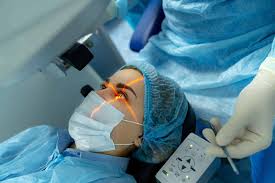
During LASIK, a small device called a lid speculum gently holds your eyelids open so you can’t blink while the laser works. Even though modern speculum designs are lighter and more ergonomic than earlier versions, they still apply sustained pressure to the delicate eyelid tissue for several minutes. This mechanical compression is enough to cause temporary puffiness and, occasionally, minor bruising on the lid margins — particularly in patients with thinner or more vascular eyelid skin. Some patients also experience difficulty fully opening their eyes in the first hours after surgery, which is related to this same lid compression.
The Body’s Inflammatory Response
LASIK involves creating a corneal flap and reshaping the underlying stroma with an excimer laser. Your body recognises this as tissue disruption and sends inflammatory mediators to the area to initiate healing. This localised inflammation doesn’t stay confined to the cornea — it extends to the surrounding conjunctiva and eyelid tissue, producing the characteristic puffiness most patients notice the next morning. Understanding the stages of flap healing helps put the swelling timeline into context.
Post-Operative Dry Eye
LASIK temporarily disrupts the corneal nerves that regulate tear production. In the early days, this can lead to a cycle where insufficient lubrication irritates the ocular surface, which triggers reflex tearing and further lid congestion. The resulting puffiness is more about fluid dynamics than inflammation per se — but it contributes to that swollen-lid appearance. Patients with pre-existing meibomian gland dysfunction may find this component more pronounced.
Allergic Sensitivity to Medications
Post-operative eye drops — including antibiotic drops, steroid drops, and lubricants — can occasionally trigger a mild allergic reaction in sensitive individuals. This typically presents as lid redness, itching, and swelling that may be more pronounced than standard surgical puffiness. If you notice swelling worsening each time you instil a particular drop, mention this to your surgeon — a formulation change usually resolves the issue.
Pre-Existing Eyelid Conditions
Patients with blepharitis (chronic eyelid inflammation), meibomian gland dysfunction, or a history of allergic conjunctivitis may experience more pronounced or prolonged swelling. These conditions create a baseline of lid margin inflammation that the surgical stimulus amplifies. If you have a known eyelid condition, your surgeon will typically optimise your lid health with warm compresses and lid hygiene in the weeks before surgery to minimise post-operative swelling.
Rare: Infection
Infection after LASIK is extremely uncommon — occurring in fewer than 0.1% of cases — but when it happens, eyelid swelling is often one of the earliest signs. Infectious swelling typically appears more severe than normal, worsens rather than improves after day 2–3, and is accompanied by pain, discharge, and redness. A related but distinct complication is diffuse lamellar keratitis (DLK) — a sterile inflammatory reaction under the flap that can also produce significant lid swelling and requires prompt steroid treatment.
Recovery Timeline: Day by Day
Day 1: Peak Swelling
Expect the most noticeable puffiness on the first morning. Both upper and lower lids may appear swollen, and the eyes can feel heavy or slightly tight. Vision is often hazy — partly from the swelling, partly from normal corneal healing. This is entirely expected. Rest with your eyes closed, keep your protective shields on, and follow all post-operative precautions as directed.
Days 2–3: Gradual Improvement
Most patients notice a significant reduction by day 2 or 3. The heavy, puffy feeling starts to lift, and vision begins to sharpen. Any minor bruising from the speculum may appear slightly more visible as it transitions from red to a faint yellowish tinge — this is normal bruise resolution, not a new complication. If eyes feel irritated or scratchy during this phase, that’s typically dryness rather than a swelling issue.
Days 4–7: Near-Normal Appearance
By the end of the first week, eyelid appearance is usually close to normal. Subtle residual puffiness — noticeable mostly in the mornings — may linger, particularly in patients who are prone to fluid retention. Most patients feel comfortable returning to work during this window.
Weeks 2–3: Full Resolution
Any remaining trace of lid swelling resolves by the second or third week. If you notice itchy eyelids at the two-week mark, that’s more likely residual dryness or a mild allergic response to ongoing drops than active swelling — but mention it at your follow-up so your surgeon can adjust your regimen if needed.
How to Reduce Eyelid Swelling Faster
Cold Compresses (Not Ice Directly)
Apply a clean, soft cloth dampened with cold water — or a gel eye mask kept in the refrigerator — to the closed eyelids for 10–15 minutes at a time, several times a day during the first 48 hours. Cold constricts blood vessels and reduces fluid accumulation. Our detailed guide on using cold therapy on eyes after LASIK covers the do’s and don’ts. Never apply ice packs directly to the skin, and never press firmly — gentle contact is sufficient.
Sleep Elevated
Prop your head up with an extra pillow for the first 2–3 nights. Gravity discourages fluid from pooling in the periorbital tissues overnight, which is why mornings tend to be the puffiest. Avoid sleeping face-down during this period, as it increases pressure on the healing eye area.
Use Prescribed Drops on Schedule
Your surgeon’s drop regimen — typically an antibiotic, a steroid (to control inflammation), and preservative-free lubricants — is designed specifically to manage the post-operative healing response. Adhering to the schedule is one of the most effective things you can do. Skipping the steroid drops, in particular, can allow inflammation to persist longer than it needs to.
Stay Hydrated, Avoid Irritants
Adequate water intake supports healthy tear production and reduces the compensatory fluid retention that contributes to puffiness. Meanwhile, avoid environments that aggravate lid irritation — dusty spaces, heavy air conditioning, smoke, and cooking fumes. Keep your eyelids clean using the gentle technique described in our post-LASIK eye cleaning guide, and absolutely avoid rubbing or pressing on the eye area.
Is Swelling Different with Flapless Procedures?
Patients who undergo flapless procedures — such as SMILE or TransPRK — often experience slightly less eyelid swelling than those who have traditional flap-based LASIK. The reason is straightforward: flapless techniques involve less mechanical disruption to the surrounding tissues. SMILE uses a smaller suction interface, and TransPRK eliminates both the flap and the suction ring entirely. However, the lid speculum is still used in all procedures, and the body’s inflammatory response still occurs — so some degree of lid puffiness remains normal regardless of which laser technique you choose.
When to Worry: Warning Signs
While routine swelling improves steadily day over day, certain patterns demand attention. Contact your eye care provider promptly if swelling is getting worse rather than better after day 2–3, if you experience severe or throbbing pain that doesn’t respond to over-the-counter relief (see our guide on relieving pain after laser eye surgery for what’s normal), if there’s any discharge from the eye, if your vision deteriorates suddenly after initially improving, or if pronounced redness develops alongside the swelling — especially if concentrated around the lid margins. These could indicate early infection, DLK, or a medication reaction, all of which respond best to early intervention.
Conclusion
Eyelid swelling after LASIK is one of the most predictable and manageable aspects of recovery. It peaks within the first 24–48 hours, improves steadily over the next few days, and fully resolves within one to two weeks in the vast majority of patients. Cold compresses, head elevation, prescribed anti-inflammatory drops, and basic eye hygiene are all you need. The only scenario that warrants concern is swelling that worsens rather than improves, or that’s accompanied by pain, discharge, or vision changes — in which case, prompt evaluation protects your outcome. If you’re preparing for LASIK or experiencing post-operative swelling that doesn’t seem right, book a consultation at Visual Aids Centre and let our team assess your recovery directly.
Frequently Asked Questions (FAQs)
How long does eyelid swelling last after LASIK?
Most eyelid swelling peaks within 24–48 hours and resolves substantially by day 3–5. Subtle residual puffiness may linger for 1–2 weeks, particularly in the mornings. Swelling beyond two weeks is uncommon and should be evaluated.
Can I use ice packs to reduce swelling after LASIK?
Use cold compresses — a chilled, clean cloth or gel eye mask — but not ice packs directly on the skin. Direct ice can damage delicate eyelid tissue. Apply gently for 10–15 minutes at a time, and never press hard against the eye.
Is eyelid swelling worse with LASIK than SMILE?
SMILE patients often experience slightly less lid swelling because the flapless technique involves less mechanical tissue disruption. However, some degree of swelling is normal with any refractive procedure due to the lid speculum and the body’s inflammatory response.
Should I be worried if only one eyelid is swollen after LASIK?
Asymmetric swelling is common and usually reflects differences in eyelid thickness, vascularity, or how the speculum was positioned on each eye. It’s generally not a concern unless the more-swollen eye also has pain, discharge, or vision changes.
Can I apply skincare products around my eyes while swollen?
Avoid applying any creams, serums, or skincare products near the eye area for at least 7–10 days. These can contain fragrances, preservatives, or active ingredients that irritate healing tissue. For the full skincare timeline, see our article on when you can resume skincare after LASIK.
👁️ MEDICALLY REVIEWED BY
Padmashree Dr. Vipin Buckshey
Optometrist & Post-Operative Care Specialist | AIIMS Graduate, 1977 | Padma Shri Honouree
With more than four decades of clinical experience and over 250,000 laser vision correction procedures performed at Visual Aids Centre, Dr. Vipin Buckshey has managed every variant of post-LASIK recovery — from routine eyelid swelling to the rare inflammatory complications that require immediate intervention. An AIIMS alumnus, former President of the Indian Optometric Association, and official optometrist to the President of India, Dr. Buckshey has developed the centre’s post-operative care protocols to ensure every patient receives clear, evidence-based guidance for a smooth recovery.