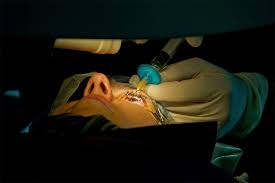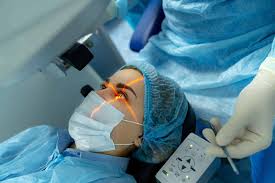

A few days post-LASIK, your eyes feel dry and irritated, and someone suggested a warm compress. It is a reasonable instinct — warm compresses are a clinically established treatment for dry eye and Meibomian Gland Dysfunction (MGD). But timing matters. Applied too early in LASIK recovery, a warm compress introduces heat near the healing corneal flap and the risk of incidental pressure during the most vulnerable healing window.
This guide covers when warm compresses are safe after LASIK, what the clinical research says, how to apply them safely, and what to use in the first seven days instead.
Key Takeaways
- Warm compresses are not recommended in the first 7 days after LASIK. The corneal flap is in its most vulnerable healing window — heat and incidental pressure both carry risks.
- After Day 7–10, with surgeon clearance at your first follow-up, warm compresses are safe and clinically beneficial — particularly for Meibomian Gland Dysfunction (MGD).
- Published research (Blackie et al., 2010) confirms that 45°C applied for 5 minutes is the minimum temperature needed to liquefy Meibomian gland secretions and restore the tear film lipid layer.
- Warm compresses address evaporative dry eye (from blocked Meibomian glands). Lubricating drops address aqueous deficiency. Most post-LASIK patients benefit from both.
- Zero pressure on the eye during application — the compress rests passively on closed eyelids. Any rubbing or pressing carries flap displacement risk in the first month.
- Blink discipline and regular screen breaks are the most immediate behavioural intervention — screen use reduces blink rate 60–70% (published clinical data), dramatically increasing tear evaporation alongside MGD.
Why Warm Compresses Help Post-LASIK Dry Eye
Post-LASIK dry eye is caused primarily by temporary disruption of the corneal nerve network during flap creation — the nerves responsible for signalling tear production. Nerves typically regenerate over 6–12 months.
LASIK dry eye also has a second contributing factor: Meibomian Gland Dysfunction (MGD). The Meibomian glands produce the oily lipid layer of the tear film. If blocked, tears evaporate faster — compounding dryness from reduced nerve-driven production. Warm compresses liquefy solidified oils blocking gland orifices and expand the ducts, directly restoring the lipid layer. Most pronounced in patients with pre-existing MGD, common among screen-heavy users.
Clinical Evidence — What the Research Shows
The warm compress recommendation for Meibomian gland therapy is not anecdotal — published clinical research informs the temperature, duration, and technique.
| Source / Study | Key Finding | What It Means for Post-LASIK Use |
|---|---|---|
| Blackie et al. (2010) — peer-reviewed Meibomian gland research | 45°C sustained for a minimum of 5 minutes is necessary to liquefy Meibomian gland secretions and achieve therapeutic gland opening | Establishes 40–45°C as the evidence-based minimum temperature; anything cooler does not achieve the therapeutic effect |
| Bilkhu et al. (2014) — British Journal of Ophthalmology | Warm compress therapy significantly improved Tear Break-Up Time (TBUT) and reduced evaporative dry eye symptoms in MGD patients | TBUT improvement is the key metric for post-LASIK tear film quality; warm compress addresses the lipid layer that LASIK surgery does not directly disrupt |
| AOA Dry Eye Clinical Guidelines | Warm compresses are a Grade A recommendation for Meibomian Gland Dysfunction — the highest evidence level | Clinically validated, not experimental; appropriate as a standard post-LASIK aftercare addition after the 1-week healing window |
| Published screen use data | Screen use reduces blink rate by 60–70%, dramatically accelerating tear evaporation | Screen-heavy post-LASIK patients are at highest risk of evaporative dry eye — the condition warm compress specifically addresses |
Safe Timing Guide — When to Start Warm Compresses
| Post-LASIK Phase | Warm Compress? | What to Do Instead | Why |
|---|---|---|---|
| Day 0–7 (first week) | ❌ No | Prescribed preservative-free lubricating drops; sleep goggles; avoid heat near face | Flap in active healing phase — heat and any incidental pressure carry flap risk; epithelial seal still forming |
| Day 7–10 (surgeon follow-up) | ✅ Ask at this appointment | If cleared: begin gentle warm compress protocol at 40–45°C for 5–10 minutes | The 1-week follow-up is when flap stability is assessed and additional therapies including warm compresses can be approved |
| Week 2–4 (active recovery) | ✅ Yes | Warm compress 1–2x daily for 5–10 minutes; continue lubricating drops; zero pressure | Flap adhesion significantly stronger; warm compress for MGD is appropriate at this stage |
| Month 1+ | ✅ Yes | Warm compress as ongoing eyelid hygiene routine; omega-3 supplementation | Full recovery; warm compress recommended as long-term Meibomian gland maintenance |
How to Apply a Warm Compress Safely After LASIK
The benefit comes from warmth only — pressure and rubbing must never accompany a warm compress after LASIK.
| Step | ✓ Do This | ❌ Not This |
|---|---|---|
| 1. Prepare the compress | Use a clean, lint-free cloth or a purpose-made microwave eye mask. Heat to approximately 40–45°C (Blackie et al. temperature standard). | Do not use soaking wet cloths; no fragrant or chemical additives near the eye |
| 2. Test the temperature | Test on your inner wrist — comfortably warm, not hot. If it makes you pull away, cool it further. | Do not apply directly from microwave without testing; a burn to eyelid skin delays recovery |
| 3. Apply passively to closed eyelids | Rest the compress gently over closed eyelids for 5–10 minutes (minimum 5 minutes to achieve therapeutic effect per Blackie et al.). | Do not press, rub, or massage the eye. Zero pressure. The compress rests — it does not work harder with more pressure. |
| 4. Follow with lubricating drops | Apply your prescribed preservative-free lubricating drops immediately after the compress to lock in the moisture benefit. | Do not stop prescribed drops — they complement the compress, not replace it |
Steam rooms, hot towel treatments, and spa heat carry the same timing considerations. Our guide on how long after LASIK you can get a facial covers the heat exposure timeline.
First-Week Alternatives and Complementary Dry Eye Treatments
In the first seven days, and as ongoing complements afterward:
| Option | When Safe | Mechanism | Key Point |
|---|---|---|---|
| Preservative-free lubricating drops | From Day 0 — prescribed by surgeon | Replaces the aqueous (water) layer of the tear film; keeps corneal surface hydrated | Addresses aqueous deficiency; warm compress addresses the lipid layer. Both often needed together. |
| Saline solution rinse | From Day 7 (with care) | Gently flushes irritants from the ocular surface | Comfort flush, not therapeutic. See our guide on saline solution after LASIK |
| Omega-3 fatty acid supplements | From Day 1 — systemic, not topical | Improves tear film lipid quality via dietary Meibomian gland support | Works over weeks to months; complements warm compress. See omega-3 fish oil after LASIK. |
Warning Signs That Warrant a Call to Your Surgeon
Contact your surgeon the same day if you experience any of the following:
- Increasing redness or swelling that develops or worsens after compress application — stop immediately and call
- Persistent blurry vision not improving day by day beyond week two
- Discharge, excessive crusting, or any sign of infection
- Sharp or increasing pain — not mild grittiness, but acute pain
Conclusion
Warm compresses are Grade A-recommended for MGD therapy (AOA guidelines) and clinically studied for temperature requirements (Blackie et al., 2010: 45°C for 5 minutes minimum). In the first seven days, lubricating drops are the clinical priority. After Day 7–10, a passive warm compress at 40–45°C for 5–10 minutes once or twice daily is safe and beneficial. Pair with omega-3 and preservative-free drops for a complete dry eye plan.
Persistent dry eye beyond the expected recovery window? Book a follow-up at Visual Aids Centre — post-operative dry eye management is a standard part of our LASIK aftercare programme.
Frequently Asked Questions
When can I start using a warm compress after LASIK?
At least Day 7–10 — confirmed with your surgeon at your first follow-up. This is when flap stability is assessed and additional therapies approved. Do not use a warm compress in the first week regardless of eye comfort.
What temperature should the warm compress be?
40–45°C — published research (Blackie et al., 2010) confirms that a minimum of 45°C sustained for 5 minutes is needed to liquefy Meibomian gland secretions. Test on your inner wrist first. Purpose-made microwave eye masks maintain this range consistently. Anything cooler does not achieve the therapeutic effect.
Can a warm compress dislodge my LASIK flap?
If applied with pressure or rubbing — yes, particularly in the first two weeks. Passively resting on closed eyelids with zero pressure after Day 7: very low risk. Warmth itself does not affect flap adhesion; mechanical force does. Never press, rub, or massage over the eye during application.
Why does warm compress help Meibomian gland dysfunction after LASIK?
In MGD, gland oils solidify and block openings. Warmth at 40–45°C liquefies the oils and expands ducts, restoring the lipid layer (Bilkhu et al., 2014 — British Journal of Ophthalmology). LASIK doesn’t cause MGD but can unmask pre-existing MGD, making asymptomatic patients symptomatic post-surgery.
Should I continue eye drops while using a warm compress?
Yes — complementary, not substitutes. The compress addresses the lipid layer (Meibomian glands); drops address the aqueous layer. Most post-LASIK patients need both. Apply the compress first, then prescribed preservative-free drops immediately after.
👁️ MEDICALLY REVIEWED BY
Padmashree Dr. Vipin Buckshey
BS Ophthalmology | AIIMS Graduate, 1977 | Padma Shri Honouree | Post-LASIK Recovery, Visual Aids Centre
The Day 7–10 timing and 40–45°C temperature standard reflect the post-LASIK warm compress protocol at Visual Aids Centre across 250,000+ procedures. Evidence sourced from: Blackie et al. (2010) for temperature/duration; Bilkhu et al. (2014, British Journal of Ophthalmology) for TBUT improvement data; AOA guidelines for Grade A MGD recommendation. The aqueous vs lipid layer distinction determines treatment sequencing. The no-pressure rule reflects flap adhesion timeline. An AIIMS alumnus, Padma Shri honouree, and former President of the Indian Optometric Association. Read more at our story.