
If your eyes feel gritty, tired, or stingy by the end of every day, you have probably typed “how to cure dry eyes permanently” into a search bar more than once. It is one of the most common eye complaints there is — and one of the most frustrating, because temporary relief from a bottle of drops rarely feels like a real solution.
Here is the honest, useful truth from Visual Aids Centre: while many cases of dry eye are a chronic condition that is managed rather than switched off forever, a great deal of dry eye can be resolved for good once you treat the actual cause. This guide explains what is really behind your symptoms and the realistic path to lasting relief.
Key Takeaways
- True dry eye is usually a chronic condition, but many underlying causes are reversible — fixing them brings lasting relief.
- The two main mechanisms are too few tears (aqueous deficiency) and tears that evaporate too fast (often from blocked oil glands).
- Lifestyle and screen habits are a huge, fixable contributor for most people.
- Treatments range from simple home care to advanced options like punctal plugs, IPL, and treating the root condition.
- A proper diagnosis is the only way to target the cause rather than chase the symptom.
Can Dry Eyes Be Cured Permanently?
Let us answer the headline question directly, because honesty matters here. Whether dry eyes can be cured permanently depends entirely on the cause. If your dryness comes from something reversible — too much screen time, a medication side effect, an untreated eyelid condition, or contact-lens overuse — then treating that cause can clear the problem for good.
If, however, your dry eye stems from an ongoing factor like age-related tear changes or an autoimmune condition, it is better understood as a chronic issue that is controlled extremely well rather than erased. The goal in those cases is durable, comfortable relief that needs minimal upkeep. Either way, the starting point is understanding what causes dry eyes in your specific situation.
What Actually Causes Dry Eyes
Healthy eyes are protected by a tear film with three layers — oil, water, and mucus. Dry eye happens when that film breaks down, and it usually traces to one of two mechanisms:
- Not enough tears (aqueous deficiency): your glands simply do not produce enough of the watery layer.
- Tears evaporating too fast (evaporative dry eye): usually because the tiny oil glands in your eyelids (the meibomian glands) are blocked, so the protective oil layer is thin.
Common triggers behind these include prolonged screen use, dry or air-conditioned environments, ageing, hormonal changes, certain medications, and eyelid inflammation. The symptoms are not always obvious either — many people are surprised to learn their dryness is linked to issues like headaches or intermittent blurry vision. If you are unsure whether what you feel even qualifies, our rundown of the symptoms of dry eyes is a good check.
Lasting Relief You Can Start at Home
For a large share of people, dry eye is driven by daily habits — which means daily changes can produce genuinely lasting improvement. These are the foundations:
- Follow the 20-20-20 rule: every 20 minutes, look at something 20 feet away for 20 seconds. It restores your blink rate, which screens suppress.
- Use a warm compress and lid hygiene: gentle warmth unblocks the oil glands behind evaporative dry eye — one of the most effective at-home fixes.
- Hydrate and add omega-3s: good hydration and oily fish or flaxseed support healthier tears.
- Control your environment: redirect fans and air-con away from your face and consider a humidifier.
- Use preservative-free artificial tears as support while the underlying habits do the real work.
If your dryness is worst first thing in the morning, there may be a specific cause worth addressing — our piece on why eyes feel dry on waking explains it. For more day-to-day ideas, see our simple home remedies for dry eyes.
Medical Treatments for Permanent Relief
When home care is not enough, several clinical treatments target the cause and deliver long-lasting results. The right one depends on your diagnosis.
Punctal Plugs
Tiny, painless inserts that partially block your tear-drainage ducts, keeping your natural tears on the eye longer. For aqueous-deficient dry eye, they can transform comfort with a single quick procedure.
Treating Blocked Oil Glands
For evaporative dry eye, in-clinic therapies such as IPL (intense pulsed light) and meibomian gland expression clear blocked glands and restore the oil layer — often the closest thing to a lasting fix for this common type.
Prescription Therapies and Serum Drops
Anti-inflammatory drops and, in stubborn cases, autologous serum drops made from your own blood can heal the ocular surface. Where contact lenses are part of the problem, switching to lenses better suited to dry eyes or therapeutic scleral lenses can help significantly.
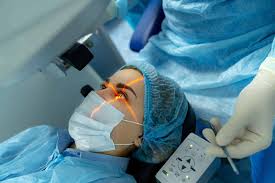
It is worth clearing up one myth: people sometimes ask whether laser surgery cures dryness. In reality, LASIK is not a treatment for dry eye syndrome — managing the tear film comes first.
When to See a Specialist
Occasional dryness is normal. But if your symptoms are persistent, worsening, or interfering with daily life — or if drops barely touch them — it is time for a professional assessment rather than more guesswork. Persistent, untreated dry eye is not just uncomfortable; left unmanaged it can affect the eye’s surface, and severe cases need proper care.
A specialist can identify exactly which type of dry eye you have and target it precisely. If you are in the region, our dry eye specialist in Delhi can map your tear film and build a plan around the actual cause.
Conclusion
So, can you cure dry eyes permanently? For many people, yes — by treating the reversible cause rather than masking the symptom. For others, it is a chronic condition that modern care controls so well it barely registers day to day. Either path starts the same way: identifying whether your tears are too few or evaporating too fast, fixing the habits that worsen it, and using targeted treatment where needed.
You do not have to live with that gritty, tired feeling. Book a dry eye assessment with Visual Aids Centre and let us find the cause behind your symptoms — and the lasting relief that goes with it. You can also explore our full dry eyes symptoms and treatment guide to learn more.
Frequently Asked Questions (FAQs)
Can dry eyes be cured permanently?
It depends on the cause. Reversible causes like screen strain, blocked oil glands, or medication effects can often be resolved for good. Age-related or autoimmune dry eye is usually controlled long-term rather than cured outright.
What is the fastest way to relieve dry eyes at home?
Preservative-free artificial tears plus a warm compress give quick relief, while the 20-20-20 rule and better hydration tackle the cause over time.
What is the main cause of chronic dry eye?
Most chronic dry eye is evaporative, caused by blocked meibomian (oil) glands in the eyelids. The rest is often aqueous-deficient, where the eye makes too few tears.
Do punctal plugs cure dry eye?
They do not cure it but provide long-lasting relief for aqueous-deficient dry eye by keeping your natural tears on the eye longer. The procedure is quick and reversible.
Can dry eyes damage your vision?
Mild dry eye usually will not, but severe, untreated dry eye can affect the corneal surface and cause lasting discomfort or blurring. Persistent symptoms deserve a check.
Will drinking more water cure my dry eyes?
Hydration helps and supports healthier tears, but it rarely solves dry eye alone. It works best alongside addressing the specific cause.
👁️ MEDICALLY REVIEWED BY
Padmashree Dr. Vipin Buckshey
Optometrist & Laser Vision Correction Specialist | AIIMS Graduate, 1977 | Padma Shri Honouree | Former President, Indian Optometric Association
Visual Aids Centre was founded by Vipin Buckshey and has cared for patients in Delhi since 1980, offering spectacles, contact lenses, and laser vision correction under one roof. With four decades of clinical experience and the distinction of serving as the official optometrist to the President of India, Dr. Buckshey approaches dry eye the way it should be approached: by diagnosing the underlying cause rather than handing over a bottle of drops and hoping. A Padma Shri honouree and former President of the Indian Optometric Association, he grounds every recommendation in evidence and decades of patient outcomes. Learn more about our story.