SMILE Pro takes roughly ten seconds of laser time per eye. The recovery, however, takes weeks of attention. What you do—and what you avoid—in the first days and weeks after surgery has a direct impact on how quickly your vision sharpens and whether you experience any preventable complications.
Unlike Femto LASIK, which creates a large corneal flap, SMILE Pro extracts a tiny lenticule through a small 2–4 mm incision. This flapless design means there’s no flap to dislodge—a significant structural advantage—but the corneal surface still needs time to heal, the nerves need to regenerate, and the small incision needs to seal completely. This guide covers every practical do and don’t, organised by recovery phase, so you know exactly what’s safe at each stage.
Key Takeaways
- Don’t rub your eyes for at least two weeks—even though SMILE Pro has no flap, rubbing can disturb the healing incision and corneal tissue.
- Use prescribed eye drops on schedule: antibiotics for infection prevention, steroids for inflammation, and preservative-free tears for dryness.
- Most patients return to desk work within 24–48 hours, but screen time should be limited and broken up with regular breaks for the first week.
- Avoid water in the eyes, strenuous exercise, and eye makeup for the timelines your surgeon specifies—typically one to four weeks depending on the activity.
The Do’s After SMILE Pro Surgery
Follow Your Prescribed Drop Schedule
Your surgeon will prescribe antibiotic drops, anti-inflammatory steroid drops, and preservative-free lubricating tears. The antibiotics typically run for about a week, the steroids follow a tapering schedule over two to four weeks, and the lubricating drops are used as often as needed—sometimes every 30 minutes in the first few days. Don’t skip doses of medicated drops, and don’t stop them early even if your eyes feel fine. The drop regimen prevents infection and controls inflammation during the most critical healing window.
Rest Your Eyes—Especially Day One
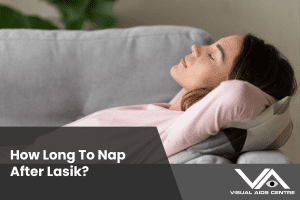
The single best thing you can do on surgery day is sleep. After your procedure, go home, close your eyes, and nap for four to six hours. Sleep allows the corneal surface to begin healing under a stable tear film with minimal irritation. When you wake up, most patients already notice significantly improved vision, though it may be slightly hazy or foggy—that’s completely normal. For more on what to expect in those initial hours, see our guide to the first 24 hours after SMILE Pro.
Wear Your Protective Eyewear
Your surgeon will provide protective shields or goggles for sleeping. Wear them every night for at least the first week—they prevent you from unconsciously rubbing your eyes while asleep. During the day, wear sunglasses outdoors to shield against UV light, wind, and dust, all of which can irritate healing corneal tissue and worsen dryness.
Stay Hydrated and Eat Well
Hydration directly affects tear production. Drink plenty of water and consider incorporating omega-3-rich foods like fish, walnuts, and flaxseeds into your diet. These support the lipid layer of your tear film, which reduces evaporative dryness—a common temporary side effect after any laser vision correction procedure.
Attend Every Follow-Up Appointment
Typical follow-up visits are scheduled at one day, one week, one month, and three months after surgery. These aren’t optional—your surgeon checks healing progress, monitors intraocular pressure (especially if you’re on steroid drops), and confirms that your vision is stabilising on the expected timeline. Even if everything feels perfect, go to every appointment.
The Don’ts After SMILE Pro Surgery
Don’t Rub Your Eyes
This is the most important rule of post-operative care, and it applies for at least two to four weeks. Although SMILE Pro doesn’t create a flap, the small lenticule extraction incision and the corneal tissue beneath it are still healing. Rubbing introduces mechanical force that can disrupt this process and increase the risk of complications. If your eyes feel itchy or gritty, use lubricating drops instead—the sensation is usually caused by temporary dryness, not something that needs to be rubbed away.
Keep Water Away from Your Eyes
For the first week, avoid letting water directly contact your eyes. This means no swimming, no hot tubs, and careful face washing—use a damp cloth around the eye area rather than splashing water directly. Even tap water contains micro-organisms that could enter through the healing incision and cause infection. For showering tips, see our detailed guide on showering after SMILE Pro.
Skip the Eye Makeup
Avoid all eye cosmetics—mascara, eyeliner, eyeshadow, and kohl—for at least two weeks after surgery. Makeup particles can harbour bacteria and introduce them directly into the healing eye. When you do resume cosmetics, use fresh products (not old tubes) and remove them gently with preservative-free micellar water. Our article on when to wear mascara after SMILE Pro covers the full timeline.
Avoid Strenuous Physical Activity
Light walking is fine from day one, but hold off on gym workouts, weight lifting, running, cycling, and contact sports for at least one to two weeks. Heavy exertion can raise intraocular pressure and increase the risk of accidental eye trauma. Exercise restrictions can typically be lifted progressively—light cardio after one week, full gym activity after two weeks, and contact sports after four weeks, depending on your surgeon’s assessment.
Limit Screen Time in Week One
Screens aren’t dangerous after SMILE Pro, but prolonged use in the first week worsens dryness because your blink rate drops significantly when you’re focused on a screen. If you need to work on a phone or computer, follow the 20-20-20 rule: every 20 minutes, look at something 20 feet away for 20 seconds. Use lubricating drops before and during screen sessions, and keep brightness at a comfortable level.
Don’t Drive Until Cleared
Most patients can resume driving within 24–48 hours once their surgeon confirms adequate visual acuity. Don’t drive yourself home from the procedure, and avoid night driving for the first week while your eyes may still have mild light sensitivity or temporary halos.
Avoid Alcohol for One Week
Alcohol dehydrates your entire body, including the ocular surface. In the first week after SMILE Pro, when your tear film is already compromised, alcohol can significantly worsen dryness and interfere with the healing process. It can also interact with prescribed medications. Wait at least a week, or longer if your surgeon advises.
Recovery Timeline: What to Expect Week by Week
Day 1: Rest and Sleep
Vision is noticeably improved but may be slightly hazy. Mild tearing, light sensitivity, and a gritty sensation are all normal. Sleep as much as possible and use drops on schedule.
Days 2–7: Rapid Improvement
Most patients return to desk work and light daily activities. Vision continues to sharpen. The hazy or “milky” quality that some patients notice on day one clears up progressively. Continue wearing protective shields at night and sunglasses outdoors. Learn more about the full SMILE Pro recovery timeline.
Weeks 2–4: Stabilisation
Dry eye symptoms begin to ease as corneal nerves regenerate. You can resume exercise, makeup, and most normal activities during this phase. Vision stabilisation is well underway, though minor fluctuations may still occur, particularly in the evenings or after extended screen use.
Months 1–3: Final Refinement
By the three-month mark, your cornea has completed the majority of its healing. Your surgeon will confirm your final visual acuity and assess whether any residual prescription exists. For the vast majority of patients, this is when the full result of SMILE Pro becomes apparent—stable, clear vision without glasses or contacts. If you’re curious about how SMILE Pro compares to other options long-term, our SMILE Pro vs LASIK comparison breaks down the differences.
When to Contact Your Surgeon
While mild discomfort, grittiness, watery eyes, and light sensitivity are expected in the first few days, certain symptoms require immediate attention. Contact your surgeon if you experience sudden or significant vision loss, increasing pain that doesn’t improve with lubricating drops, worsening redness or swelling after the first 48 hours, white or grey spots in your vision, or any unusual discharge. These could indicate early infection or inflammation that needs prompt treatment—early intervention makes all the difference in outcomes.
Conclusion
Recovery after SMILE Pro is faster and more comfortable than most patients expect—but “faster” doesn’t mean “no care required.” The do’s are straightforward: use your drops, rest your eyes, wear protection, and attend your follow-ups. The don’ts are equally clear: don’t rub, don’t splash water, don’t wear makeup too soon, and don’t push your body too hard in the first couple of weeks. These simple guidelines protect the ten-second laser investment and ensure you get the clear, stable vision you signed up for. If you’re considering SMILE Pro or have questions about your post-operative care, book a consultation at Visual Aids Centre for personalised guidance from our surgical team.
Frequently Asked Questions (FAQs)
How soon can I return to work after SMILE Pro?
Most patients with desk jobs return within 24–48 hours. If your work involves dusty environments, physical labour, or heavy screen use, discuss a modified timeline with your surgeon.
When can I start exercising after SMILE Pro?
Light walking is fine from day one. Gym workouts and running can typically resume after one to two weeks. Contact sports and swimming should wait at least four weeks.
Can I watch TV or use my phone after SMILE Pro?
Yes, but limit sessions in the first week and use lubricating drops frequently. Follow the 20-20-20 rule to reduce eye strain and dryness from reduced blinking.
Is it normal for vision to be blurry after SMILE Pro?
Mild haziness or fluctuation in the first few days is completely normal. Vision typically sharpens significantly within the first week and continues stabilising over one to three months.
Will I need glasses again after SMILE Pro?
SMILE Pro significantly reduces or eliminates dependence on glasses for distance vision. However, age-related presbyopia (typically after 40) may still require reading glasses in the future, regardless of any laser procedure.
👁️ MEDICALLY REVIEWED BY
Padmashree Dr. Vipin Buckshey
Optometrist & Post-Operative Care Specialist | AIIMS Graduate, 1977 | Padma Shri Honouree
With more than four decades of clinical experience and over 250,000 laser vision correction procedures performed at Visual Aids Centre, Dr. Vipin Buckshey has overseen the recovery of thousands of SMILE Pro patients—refining post-operative protocols to match the unique healing characteristics of flapless lenticule extraction. An AIIMS alumnus, former President of the Indian Optometric Association, and official optometrist to the President of India, Dr. Buckshey ensures every patient receives recovery guidance calibrated to their specific procedure, prescription, and lifestyle.