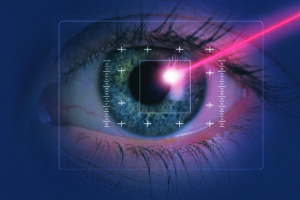

Laser eye surgery is quick, precise, and remarkably safe — but what you do in the days and weeks afterwards has a real influence on how smoothly you heal and how good your final vision turns out. The procedure does the heavy lifting; your aftercare protects the result.
This guide from Visual Aids Centre lays out the clear, practical dos and don’ts after laser eye surgery — what to do diligently, what to avoid completely, and why each rule exists. Follow these and you give your eyes the best possible conditions to heal.
Key Takeaways
- The single most important rule: do not rub your eyes, especially in the first weeks.
- Use your prescribed drops on schedule and wear protective eyewear as advised.
- Keep water, sweat, dust, and eye makeup away from your eyes early on.
- Rest your eyes and limit screens at first; let vision settle before resuming everything.
- Know the warning signs that mean you should call your surgeon rather than wait.
Why Aftercare Matters So Much
In the first days after surgery, the surface of your eye is healing and, with flap-based procedures, the corneal flap is still sealing. This is a delicate window. Sensible habits during it prevent the small number of complications that are almost entirely avoidable — infection, irritation, and disturbance to the healing surface. The good news is that the rules are simple and the window is short.
The Dos After Laser Eye Surgery
These are the active habits that support healing. Do them consistently.
- Use your eye drops exactly as prescribed. Antibiotic and lubricating drops prevent infection and keep the surface comfortable — the right lubricating drops make the early days far easier.
- Wear your protective shields or sunglasses. Shields at night stop unconscious rubbing, and sunglasses protect against light and dust — here is what happens if you skip the sunglasses.
- Rest your eyes genuinely. Sleep and downtime are when healing happens. Keep the first day or two low-key.
- Eat well and stay hydrated. Good nutrition supports recovery; see our note on the best foods after surgery.
- Attend your follow-up appointments. They confirm you are healing on track.
The Don’ts After Laser Eye Surgery
These are the things to avoid — some for a few days, others for a few weeks.
- Do not rub or squeeze your eyes. This is the big one. Rubbing can disturb a healing flap, which is why rubbing your eyes after LASIK.
- Do not let water in your eyes. Avoid swimming and hot tubs — our guide on swimming after LASIK explains the timeline. Keep shower water off your face at first.
- Do not wear eye makeup. Hold off until cleared; see when makeup is safe again.
- Do not overdo screens. They strain healing eyes — ease back in, guided by when computer work is advisable.
- Do not exercise too soon. Sweat and impact are risks early on; our guide on returning to workouts sets the timing.
- Do not expose eyes to dust. Postpone dusty chores — see house cleaning after LASIK.
A Simple Recovery Timeline
Knowing roughly when each restriction lifts removes a lot of anxiety:
- First 24 hours: rest, drops, shields on, no screens, no water near the eyes.
- Days 2–7: most normal daily activity resumes; still no rubbing, swimming, or eye makeup. Everyday tasks like brushing your teeth are fine with care.
- Weeks 2–4: gradual return to exercise, swimming, and makeup as your surgeon clears each one. Even travel is usually fine within this window.
Warning Signs to Watch For
Most recoveries are smooth, but knowing what is not normal means you act promptly if needed. Some grittiness, light sensitivity, watering, and mild discomfort are expected and settle quickly.
Call your surgeon the same day, however, if you notice increasing pain rather than improving comfort, worsening (not improving) vision, significant redness, or any discharge that looks like pus.
Conclusion
Laser eye surgery gives you a wonderful result — and your aftercare is what protects it. The dos are simple: use your drops, wear your shields and sunglasses, rest, eat well, and keep your follow-ups. The don’ts are just as clear: no rubbing, no water in the eyes, no makeup, no overdoing screens or exercise too soon. Follow them through the short healing window and you set yourself up for the clear, comfortable vision the surgery was designed to deliver.
Have a question about your own recovery, or unsure whether something you are feeling is normal? Get in touch with Visual Aids Centre and our team will guide you through every step of healing.
Frequently Asked Questions (FAQs)
What is the most important rule after laser eye surgery?
Do not rub or squeeze your eyes, especially in the first weeks. Rubbing is the most common patient-controlled cause of a healing problem.
How long should I avoid screens after surgery?
Rest screens for the first day, then ease back gradually. Take frequent breaks and use lubricating drops, as screens can strain healing eyes.
When can I wash my face and hair?
You can wash carefully from the next day, but keep water, soap, and shampoo out of your eyes for the first week. Tilt your head back when rinsing hair.
When can I exercise again?
Light activity resumes within days; sweaty workouts, swimming, and contact sports need one to several weeks, with surgeon clearance.
Is it normal for my eyes to feel gritty after surgery?
Yes. Mild grittiness, watering, and light sensitivity are normal early on and settle quickly with drops and rest.
When should I call my surgeon instead of waiting?
Call promptly if pain increases, vision worsens, or you notice significant redness or pus-like discharge. These need same-day attention.
👁️ MEDICALLY REVIEWED BY
Padmashree Dr. Vipin Buckshey
Optometrist & Laser Vision Correction Specialist | AIIMS Graduate, 1977 | Padma Shri Honouree | Former President, Indian Optometric Association
Visual Aids Centre was founded by Vipin Buckshey and became the first eye centre in Delhi to introduce LASIK surgery, in 1999. Across more than 250,000 laser vision correction procedures, one pattern is consistent: patients who understand why each aftercare rule exists follow it better and recover more smoothly. This guide reflects that approach. As the official optometrist to the President of India and a Padma Shri honouree, Dr. Buckshey draws on four decades of refractive experience to turn post-operative care from a list of restrictions into clear, confident healing. Learn more about our story.