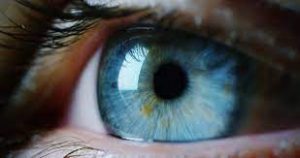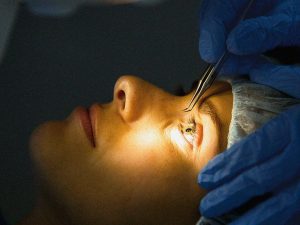

Squint eye — medically known as strabismus — affects millions of people across all age groups, and the first question most families ask is simple: can we do something about it at home? The honest answer is yes and no. Certain eye exercises can support professional treatment, strengthen coordination, and reduce mild symptoms — but they are not a substitute for a proper diagnosis.
This guide covers the home-based exercises that ophthalmologists actually recommend, explains when they help and when they don’t, and makes clear the point at which you need to walk into a clinic rather than keep practising in front of a mirror. Whether you’re a parent noticing your child’s eye turning inward or an adult dealing with intermittent misalignment, the information below will help you take the right next step.
Key Takeaways
- Home exercises can complement — but never replace — professional squint treatment.
- Pencil push-ups, near-far focus drills, and thumb tracking are the most commonly recommended exercises.
- Early intervention (especially in children under 8) dramatically improves outcomes.
- If misalignment is constant or worsening, consult an eye specialist before relying on exercises alone.
What Is a Squint Eye (Strabismus)?
A squint occurs when both eyes don’t look in the same direction at the same time. One eye may focus on an object while the other turns inward (esotropia), outward (exotropia), upward, or downward. This misalignment disrupts binocular vision — the ability to use both eyes together — and can affect depth perception, coordination, and even self-confidence.
Squint is relatively common. It can appear in infancy, develop during childhood, or even emerge in adults after trauma, neurological events, or uncorrected refractive errors. The condition may be constant or intermittent, and its severity ranges from barely noticeable to obvious.
What Causes Squint Eye?
Understanding the root cause matters because it determines whether home exercises will be effective or whether you need a different approach entirely.
Muscle Imbalance
The most common cause. Six muscles control each eye’s movement. When these muscles don’t coordinate properly, one eye drifts. This is the type of squint most responsive to targeted exercises and vision therapy.
Refractive Errors
Uncorrected myopia, hyperopia, or astigmatism forces the brain to work harder to focus. Over time, this extra effort can cause one eye to turn, particularly in children. Corrective glasses alone sometimes resolve this type of squint.
Nerve and Neurological Issues
Conditions affecting the cranial nerves — such as cerebral palsy or brainstem disorders — can cause squint by disrupting the signals that coordinate eye movement. Home exercises have limited benefit here; the underlying neurological condition typically needs to be addressed first.
Amblyopia (Lazy Eye)
Squint and amblyopia often go hand in hand. When one eye is consistently misaligned, the brain starts ignoring its input, weakening that eye further. Patching therapy — where the stronger eye is covered — is a proven home-based treatment for amblyopia and is often used alongside squint exercises.
Other Factors
Family history, premature birth, trauma to the eye or head, and certain systemic conditions like Down syndrome can all increase the risk. In some cases, no clear cause is found (idiopathic strabismus).
Is Squint Eye Curable?
In many cases, yes — especially when caught early. Children under 7 or 8 have the most flexible visual systems, which means glasses, patching, and exercises can achieve significant improvement. Adults can also benefit, though the window for full correction narrows with age.
The treatment path depends on severity. Mild intermittent squints may respond well to exercises and corrective lenses. Moderate to severe cases often require squint surgery to physically adjust the eye muscles, sometimes followed by exercises to maintain alignment. The key takeaway: early assessment by an eye specialist gives you the widest range of options.
Squint Eye Treatment at Home: Exercises That Help
These exercises are widely recommended by ophthalmologists as part of a broader treatment plan. They work best for convergence insufficiency and mild intermittent squints. Always get your eye doctor’s approval before starting a routine — the wrong exercise for the wrong type of squint can sometimes make things worse.
Pencil Push-Ups
Hold a pencil at arm’s length with the tip pointing upward. Focus both eyes on the tip. Slowly bring the pencil closer to your nose, keeping it in sharp focus. Stop when you see double, hold for a few seconds, then move it back out. Repeat 10–15 times, twice daily. This exercise specifically targets convergence — the ability of both eyes to turn inward together.
Near-Far Focus Switching
Hold a finger about 15 cm from your nose. Focus on it for five seconds, then shift your gaze to an object across the room for five seconds. Alternate 10–15 times. This strengthens the ciliary muscle and trains the eyes to coordinate when switching focal distances — a skill that deteriorates with prolonged screen time.
Thumb Tracking
Extend your arm with your thumb up. Slowly move your hand left, right, up, and down while keeping both eyes locked on the thumbnail. This improves smooth pursuit — the eye movement that follows a moving object — and helps both eyes track together.
Brock String Exercise
Thread three coloured beads onto a string about 1.5 metres long. Tie one end to a door handle and hold the other against the tip of your nose. Focus on each bead in sequence. When your eyes are aligned correctly, you’ll see a “V” pattern of strings converging at the bead you’re focusing on. This exercise provides instant visual feedback on whether your eyes are working together.
Palming and Relaxation
Rub your palms together until warm, then cup them gently over closed eyes without pressing. Breathe deeply for 30–60 seconds. While this doesn’t directly correct misalignment, it relieves eye strain and muscle fatigue — both of which can worsen intermittent squints, particularly after long hours on digital devices.
Healthy Visual Habits
Good lighting, screen breaks every 20 minutes (the 20-20-20 rule), proper hydration, and adequate sleep all support the eye muscle recovery that exercises aim to build. For children, limiting tablet and phone time is especially important during the years when binocular vision is still developing.
What Home Remedies Don’t Work
Let’s be direct: no herbal drops, dietary supplements, or “squint correction glasses” purchased online will realign your eyes. Social media is full of miracle fixes that have no clinical evidence behind them. Eye yoga and generic “vision improvement” programmes are similarly unproven for strabismus specifically — they may relax the eyes, but they don’t address the underlying muscle or nerve imbalance that causes misalignment.
The danger isn’t just wasted time. Delaying proper treatment — particularly in children — can allow amblyopia to set in, making the squint harder to correct later. If home exercises haven’t produced visible improvement within four to six weeks, it’s time for a professional evaluation.
When Home Exercises Aren’t Enough
Seek professional care immediately if the squint is constant rather than intermittent, if it appears suddenly in an older child or adult, if it’s accompanied by double vision, headaches, or head tilting, or if there’s a family history of serious eye conditions. A child whose eye turns inward or outward consistently should see a specialist within weeks, not months.
At Visual Aids Centre, we begin with a comprehensive binocular vision assessment that maps exactly how the eyes are misaligning, by how much, and whether the brain is suppressing input from one eye. This data determines whether exercises, glasses, prisms, or surgery — or a combination — is the right path.
Professional Treatment Options
Corrective Glasses or Prisms
For squints driven by refractive errors, the right pair of glasses can sometimes resolve the misalignment entirely. Prism lenses bend light to reduce the effort the brain needs to fuse images from both eyes, which helps in mild to moderate cases.
Patching and Atropine Therapy
When amblyopia accompanies squint, covering the stronger eye with an adhesive patch forces the weaker eye to work. Atropine drops in the stronger eye achieve a similar effect by temporarily blurring its vision. Both are done at home but must be supervised by a doctor to avoid overcorrection.
Squint Surgery
When non-surgical options have been exhausted or the misalignment is too severe, surgery to tighten or loosen the eye muscles is the standard approach. Modern squint surgery is typically a day procedure with a recovery time of one to two weeks. The success rate for improved alignment is high, though some patients need a second procedure for fine-tuning.
Vision Therapy
Structured, in-clinic vision therapy sessions go beyond basic home exercises. A trained therapist uses specialised equipment to retrain the brain-eye connection. This is especially effective for convergence insufficiency and post-surgical rehabilitation.
Conclusion
Squint eye treatment at home — pencil push-ups, focus drills, thumb tracking, and good visual habits — can make a real difference for mild or intermittent cases, especially when done consistently under professional guidance. But home exercises work best as part of a broader plan, not as the entire plan. The earlier you get a proper assessment, the more treatment options remain open and the better the long-term outcome.
If you or your child is dealing with eye misalignment, don’t wait for it to resolve on its own. Book a consultation at Visual Aids Centre and get a clear picture of what’s causing the squint and exactly what it will take to correct it.
Frequently Asked Questions (FAQs)
Can squint eye be cured naturally at home?
Mild intermittent squints — particularly those caused by convergence insufficiency — can improve significantly with targeted exercises. However, constant or severe squints typically require glasses, patching, or surgery for correction.
At what age should squint treatment begin?
As early as possible. The visual system is most adaptable before age 7–8. Early treatment prevents amblyopia and gives the best chance of full binocular vision recovery.
How long do squint eye exercises take to show results?
With consistent daily practice, some patients notice improved eye coordination within 4–6 weeks. If there’s no visible change after this period, a professional assessment is necessary.
Are pencil push-ups effective for squint?
Yes, for convergence insufficiency specifically. They train both eyes to turn inward together. They are less effective for other types of squint such as exotropia or vertical deviations.
Can adults benefit from squint eye exercises?
Adults can improve eye coordination and reduce symptoms like double vision or eye strain with exercises. However, the degree of cosmetic correction from exercises alone is usually limited in adults compared to children.
Does screen time make squint worse?
Prolonged near-focus tasks can worsen intermittent squints by fatiguing the eye muscles. Regular breaks and distance-focus exercises help counteract this effect.
👁️ MEDICALLY REVIEWED BY
Padmashree Dr. Vipin Buckshey
Optometrist & Post-Operative Care Specialist | AIIMS Graduate, 1977 | Padma Shri Honouree
With over four decades of clinical experience and more than 250,000 vision correction procedures overseen at Visual Aids Centre, Dr. Vipin Buckshey brings deep expertise in binocular vision disorders, paediatric eye care, and post-operative rehabilitation. An AIIMS alumnus, former President of the Indian Optometric Association, and official optometrist to the President of India, Dr. Buckshey personally reviews clinical protocols at the centre to ensure every patient — child or adult — receives evidence-based guidance tailored to their specific condition.