
If you’ve spent any time researching LASIK, you’ve almost certainly come across the claim that the corneal flap created during surgery “never fully heals.” It’s one of the most persistent myths in laser vision correction—and one that understandably makes prospective patients nervous. But what does the science actually say? Is the flap permanently vulnerable, or does your cornea recover more than the internet suggests?
This guide walks through the anatomy of the LASIK flap, the real healing timeline backed by clinical evidence, why the myth exists in the first place, and what the long-term risks genuinely look like. Whether you’re considering LASIK or already had the procedure and want reassurance, this is the balanced, evidence-based answer you’ve been looking for.
Key Takeaways
- The LASIK flap does heal—it forms strong adhesion to the underlying stroma through cellular bonding and collagen deposition.
- Most meaningful healing occurs within the first three months after surgery.
- The flap junction doesn’t regain 100% of its original pre-surgical tensile strength, but it reaches a level of stability sufficient for normal life.
- Flap dislocation after the initial healing window is extremely rare and almost always linked to significant direct trauma.
Understanding the LASIK Flap
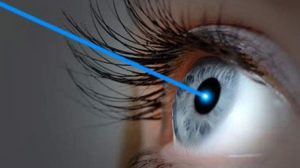
During LASIK eye surgery, the surgeon creates a thin, hinged flap in the outer layer of the cornea. This flap is carefully lifted to expose the corneal stroma—the thicker middle layer—where an excimer laser reshapes the tissue to correct your refractive error. Once reshaping is complete, the flap is gently repositioned over the treated area. No stitches are needed; the flap adheres naturally through a combination of surface tension, the endothelial pump mechanism, and cellular bonding that begins within minutes.
The precision of this process depends heavily on the technology used. Modern Femto LASIK uses a femtosecond laser to create the flap—producing a more uniform, predictable cut compared to older microkeratome-based methods. The thickness of the flap is carefully calibrated (typically 90–120 microns) to preserve as much stromal tissue as possible while allowing adequate laser treatment underneath.
The Healing Timeline
Corneal flap healing isn’t a single event—it’s a phased process that unfolds over weeks and months. Understanding each stage helps separate reasonable caution from unnecessary fear.
Immediate Post-Surgery (First Few Hours)
Within minutes of repositioning, the flap begins adhering to the stromal bed through natural suction forces and early cellular bonding. The surface epithelial cells at the flap edges start migrating to seal the wound margin. This is why surgeons emphasise not rubbing your eyes immediately after the procedure—the adhesion is real but still fragile.
The First 24 Hours
By the next morning, the flap-stroma adhesion has strengthened considerably. The epithelial seal at the flap edge is typically complete within 24–48 hours. Most patients notice significant vision improvement at their one-day follow-up, though mild haziness and dryness are normal. The protective eye shields you wear at night during this period prevent accidental displacement while you sleep.
First Few Weeks
This is when healing accelerates substantially. Collagen fibrils begin depositing along the flap interface, reinforcing the bond between the flap and the underlying stroma. Cellular communication intensifies, and the wound-healing response strengthens the junction progressively. During this window, patients should still follow post-operative precautions—avoiding contact sports, swimming, and heavy eye rubbing—to give the flap optimal conditions to integrate.
Three Months and Beyond
By the three-month mark, the corneal flap has achieved significant structural integration. The interface has healed with enough collagen cross-linking and cellular adhesion to withstand the mechanical stresses of everyday life. While some remodelling continues for up to a year, the functionally meaningful healing is largely complete by this point. Your cornea has regained much of its pre-surgical integrity, and the flap is firmly seated.
Debunking the Myth: Does the LASIK Flap Never Fully Heal?
Here’s where nuance matters. The claim that the LASIK flap “never heals” is both misleading and technically grounded in a narrow truth—which is exactly why it spreads so easily.
The narrow truth: the flap-stroma interface does not regain 100% of the cornea’s original tensile strength. Studies show the junction reaches roughly 28–30% of the pre-surgical wound strength at the interface, even years later. This sounds alarming out of context.
The broader reality: that level of adhesion, combined with epithelial sealing, collagen deposition, and the natural intraocular pressure holding the flap in place, creates a stable, durable result for the vast majority of patients. The flap doesn’t need to match the original cornea’s full tensile strength because it isn’t subjected to those forces in normal life. Millions of LASIK patients live active lives—playing sports, travelling, and exercising>—without ever experiencing a flap-related issue.
Multiple peer-reviewed studies confirm strong adhesion between the flap and stroma after the initial healing period. The corneal biomechanics shift after LASIK, but they settle into a new stable equilibrium. Calling this “never heals” is like saying a healed bone fracture “never heals” because the bone density at the fracture site differs slightly from the surrounding bone. Technically true, functionally irrelevant for most people.
The myth persists partly because flapless alternatives like SMILE Pro have entered the market, and distinguishing SMILE’s advantages often involves highlighting LASIK’s flap-related limitations. Both procedures are safe and effective—but the marketing conversation can sometimes amplify flap concerns beyond what the clinical evidence supports.
Addressing Potential Complications: Flap Dislocation
Flap dislocation—where the flap shifts from its correct position—is the complication people worry about most. And it deserves honest discussion.
In the first 24–72 hours after surgery, the flap is most vulnerable. This is why Visual Aids Centre provides protective shields and detailed aftercare instructions. Flap dislocation during this early window is uncommon and almost always the result of direct mechanical force—a finger rubbing the eye, an accidental bump, or removing the shield too roughly.
After the first week, the risk drops dramatically. After three months, late flap dislocation is exceedingly rare and virtually always associated with significant blunt trauma to the eye—the kind of force that would cause injury regardless of whether the person had LASIK. There are isolated case reports of late dislocation years after surgery, but these are remarkable precisely because they’re so unusual.
If dislocation does occur, early intervention is key. The flap can typically be repositioned with excellent visual outcomes if treated promptly. This is one reason we recommend patients know the signs of a displaced flap—sudden blurring, pain, or excessive tearing after an eye injury—and contact their surgeon immediately.
The Healed LASIK Flap: Vision with Minimal Risks
Once the healing process completes, living with a LASIK flap is unremarkable for the overwhelming majority of patients. The flap achieves strong tensile adhesion, and the results of the vision correction are enduring—barring age-related changes like presbyopia that affect everyone, whether they’ve had LASIK or not.
Patients return to normal activities, including contact sports, swimming, and outdoor pursuits, typically within a few weeks. The long-term satisfaction rates for LASIK consistently exceed 95% in large-scale studies, and flap-related complications represent a tiny fraction of the already low overall complication rate. For candidates concerned about flap integrity—particularly those in combat sports or high-impact professions—flapless options like SMILE Pro or TransPRK are worth discussing with your surgeon as alternatives.
The Path to Clear Vision
The LASIK flap does heal—meaningfully, measurably, and sufficiently for a lifetime of clear vision. The interface doesn’t restore to 100% of the original corneal strength, but it reaches a level of stability that supports normal daily life with minimal risk. The myth that the flap “never heals” collapses under the weight of clinical evidence, patient outcomes, and decades of real-world experience.
What matters most is choosing an experienced surgeon, following post-operative care instructions diligently, and understanding the realistic timeline for recovery. If you have questions about the LASIK flap or want to explore whether LASIK—or a flapless alternative—is the right fit for your eyes, book a consultation at Visual Aids Centre. We’ll give you the complete clinical picture, not the internet myth.
Frequently Asked Questions (FAQs)
Does the LASIK flap ever fully fuse back to the cornea?
The flap forms strong adhesion through collagen bonding and cellular integration, but the interface doesn’t regain the full tensile strength of an untouched cornea. Functionally, this level of healing is sufficient for normal life and activities.
Can the LASIK flap move years after surgery?
Late flap dislocation years after LASIK is extremely rare and almost always caused by severe blunt trauma to the eye. Under normal circumstances, the flap remains stable indefinitely.
Is SMILE Pro safer than LASIK because there’s no flap?
SMILE Pro avoids creating a flap, which eliminates flap-related risks entirely. This can be an advantage for people in high-impact professions or contact sports. However, both procedures have excellent safety profiles, and the best choice depends on your individual eye anatomy.
How do I know if my LASIK flap has moved?
Symptoms include sudden blurring, pain, increased tearing, or light sensitivity—typically after an eye injury or being poked in the eye. If you experience these, contact your surgeon immediately.
Can I play sports after the LASIK flap heals?
Yes. Most patients return to non-contact sports within a week and contact sports within four to six weeks. After three months, the flap has healed enough for virtually all physical activities.
👁️ MEDICALLY REVIEWED BY
Padmashree Dr. Vipin Buckshey
Optometrist & Post-Operative Care Specialist | AIIMS Graduate, 1977 | Padma Shri Honouree
With more than four decades of clinical experience and over 250,000 laser vision correction procedures performed at Visual Aids Centre, Dr. Vipin Buckshey has observed the long-term outcomes of LASIK flap healing across tens of thousands of patients. An AIIMS alumnus, former President of the Indian Optometric Association, and official optometrist to the President of India, Dr. Buckshey brings decades of real-world clinical evidence to questions about flap stability—offering patients clarity grounded in outcomes, not online myths.