

Delhi’s Top Rated Lasik Surgeon
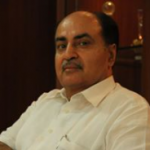
Vipin Buckshey – Optometrist
✅ First to Introduce LASIK Surgery in Delhi (1999)
✅ 250,000+ Successful Eye Procedures
✅ Padmashri By Govt of India
✅ 40+ Years of Excellence in Eye Care
✅ In 2025 Honoured by the Mongolian President
Book Consultation
LASIK Eye Surgery in Delhi: Complete Guide to Laser Vision Correction
Since introducing LASIK eye surgery to Delhi in 1999, Visual Aids Centre has performed over 250,000 laser vision correction procedures, the highest number by any private eye centre in India. Founded by Padma Shri Vipin Buckshey, our legacy of excellence spans over four decades, combining pioneering expertise with cutting-edge technology to help patients achieve freedom from glasses and contact lenses.
What is LASIK Eye Surgery?
Laser-Assisted In Situ Keratomileusis (LASIK) is an FDA-approved surgical procedure that uses advanced laser technology to permanently correct refractive errors including myopia (nearsightedness), hyperopia (farsightedness), and astigmatism. The procedure reshapes the cornea, the transparent front surface of your eye, to improve how light rays focus on the retina, resulting in clearer vision without the need for corrective eyewear.
How LASIK Works: The Science Behind Clear Vision
Your eye’s refractive power depends largely on the cornea, which accounts for approximately two-thirds of the eye’s focusing ability. In patients with refractive errors, the cornea’s shape prevents light from focusing correctly on the retina, causing blurred vision.
LASIK corrects this by:
For Myopia (Nearsightedness): The laser flattens the central corneal curvature, reducing the eye’s overall refractive power to achieve normal vision.
For Hyperopia (Farsightedness): The laser steepens the central cornea by treating the peripheral area, increasing refractive power.
For Astigmatism: The laser corrects the irregular corneal shape, transforming it from an oval (like a rugby ball) to a more spherical form (like a volleyball).
The Evolution of LASIK Technology
LASIK surgery has a rich scientific heritage. Patented in 1989 by Dr. Gholam Peyman and first performed clinically by Dr. Ioannis Pallikaris in the early 1990s, LASIK combines two breakthrough techniques: anterior lamellar keratoplasty (ALK) and photorefractive keratectomy (PRK).
The procedure has undergone continuous refinement over three decades. The introduction of the femtosecond laser in the early 1990s revolutionized flap creation, allowing for blade-free precision. Today, LASIK ranks among the most extensively studied surgical procedures, with over 7,000 peer-reviewed studies confirming its safety and efficacy.
Types of LASIK Eye Surgery Available in Delhi
At Visual Aids Centre, we offer multiple LASIK procedures tailored to individual patient needs, corneal characteristics, and refractive errors.
Bladeless LASIK (Femtosecond LASIK)
Bladeless LASIK uses femtosecond laser technology to create a precise corneal flap without any blade contact, offering enhanced safety, faster healing, and predictable results.
Technology: Uses two lasers a femtosecond laser for flap creation and an excimer laser for corneal reshaping.
Advantages:
- Precise flap creation with accuracy to 5 microns
- Reduced risk of flap-related complications
- Customizable flap thickness, diameter, and hinge position
- Faster visual recovery
Ideal for: Most patients seeking standard LASIK with enhanced safety
Cost in Delhi: ₹95,000 (both eyes)
Wavefront-Guided Custom LASIK
Technology: Advanced diagnostic mapping creates a unique “fingerprint” of your eye’s optical system, measuring higher-order aberrations beyond standard refractive errors.
Advantages:
- Personalized treatment based on individual eye characteristics
- Improved night vision and contrast sensitivity
- Reduced visual aberrations like halos and glare
- Better quality of vision outcomes
Ideal for: Patients seeking the highest visual quality, especially those with larger pupils
Cost in Delhi: ₹95,000 (both eyes)
Topography-Guided LASIK (Contoura Vision)
Contoura Vision is topography-guided LASIK that maps 22,000 unique elevation points on your cornea, delivering personalized correction that can improve vision quality beyond what glasses achieve.
Technology: Uses detailed corneal topography mapping to identify and correct microscopic irregularities in corneal surface.
Advantages:
- Corrects both refractive error and corneal imperfections
- Potential for vision better than 20/20
- Particularly beneficial for patients with irregular astigmatism
- Enhanced visual sharpness
Ideal for: Patients with corneal irregularities or those seeking optimal visual outcomes
Cost in Delhi: INR 70,000 – ₹1,15,000 (both eyes)
SMILE (Small Incision Lenticule Extraction)
SMILE is a proven flapless laser vision correction technique that creates only a 4mm incision, offering minimal invasiveness, reduced dry eye, and quick recovery for nearsighted patients.
Technology: Femtosecond laser creates and removes a lenticule of tissue through a small 2-4mm incision, no flap required.
Advantages:
- Flapless procedure
- Reduced dry eye symptoms
- Better corneal biomechanical stability
- Suitable for athletes and active lifestyles
Ideal for: Patients with moderate to high myopia (-1.00 to -10.00 D)
Cost in Delhi: ₹1,30,000 (both eyes)
SMILE Pro (Next-Generation SMILE with VisuMax 800)
SMILE Pro is the world’s fastest laser vision correction procedure, using AI-powered precision to treat your vision in just 10 seconds per eye with a minimally invasive 2.92mm incision.
Technology: Advanced flapless procedure using the VisuMax 800 femtosecond laser with 2 MHz pulse rate, creating and extracting a lenticule through a small 2.92mm incision in under 10 seconds.
Advantages:
- Ultra-fast treatment time (10 seconds vs 30 seconds with conventional SMILE)
- AI-powered CentraLign centration and OcuLign cyclotorsion control
- Flapless and bladeless, no flap complications
- Reduced dry eye symptoms compared to LASIK
- Excellent biomechanical stability for active lifestyles
- Strong results for high myopia (-6 to -10 D)
Clinical Outcomes: Based on peer-reviewed studies, 99% of eyes achieved vision within ±1.0 D of target, with 93% achieving 20/20 vision at 3 months. High myopia patients showed particularly strong results.
Ideal for: Athletes, contact sports participants, military/law enforcement, patients with high myopia (-6 to -10 D), those concerned about dry eye symptoms, and individuals seeking latest-generation technology
Cost in Delhi: ₹1,50,000 (both eyes)
PRK/Advanced Surface Ablation (Trans PRK)
Trans PRK is a no-touch, flapless surface ablation procedure ideal for patients with thin corneas, military personnel, and those in high-risk professions where corneal flap creation is not advisable.
Technology: Laser reshaping performed directly on corneal surface after removing the epithelial layer, no flap creation.
Advantages:
- Suitable for patients with thin corneas
- Eliminates flap-related complications
- Ideal for certain professions (military, contact sports)
- Preserves more corneal tissue
Ideal for: Patients with corneal thickness below 500 microns or specific occupational requirements
Recovery: Longer than LASIK (7-10 days for functional vision)
Cost in Delhi: ₹50,000 – ₹85,000 (both eyes)
Choosing the Right Procedure: Decision Guide
SMILE Pro if you:
- Are involved in contact sports or military/law enforcement
- Have moderate to high myopia (-3.00 to -10.00 D)
- Are concerned about dry eye symptoms
- Want the fastest, most advanced technology
- Need maximum corneal stability
- Have anxiety about longer procedures
- Want proven results for high myopia
Custom/Wavefront LASIK if you:
- Have large pupils (>6mm)
- Experience significant glare or halos currently
- Want the highest customization level
- Have irregular astigmatism
- Need optimal night vision quality
- Have lower to moderate myopia (-1 to -6 D)
Contoura Vision if you:
- Have corneal irregularities or surface aberrations
- Want potential for better than 20/20 vision
- Have irregular astigmatism
- Need maximum visual sharpness
- Have had previous corneal issues
Bladeless LASIK if you:
- Have a limited budget but want modern technology
- Have low to moderate myopia (-1 to -6 D)
- Need proven, time-tested procedure
- Want fastest initial recovery (24-48 hours)
- Have standard refractive error
Trans PRK if you:
- Have thin corneas (<500 microns)
- Are in military/law enforcement (some branches prefer PRK)
- Have had previous LASIK complications
- Cannot tolerate flap creation
- Have irregular corneal surfaces
- Can accommodate longer recovery time
Cost-Benefit Analysis
Long-Term Value Comparison (30-Year Projection):
Option | Initial Cost (Both Eyes) | 30-Year Total | Annual Equivalent |
Glasses | ₹10,000 | ₹3,00,000-₹6,00,000 | ₹10,000-₹20,000 |
Contact Lenses | ₹2,000/month | ₹7,20,000-₹10,80,000 | ₹24,000-₹36,000 |
PRK/Trans PRK | ₹50,000-₹85,000 | ₹50,000-₹85,000 | ₹1,667-₹2,833 |
Contoura Vision | ₹70,000-₹1,15,000 | ₹70,000-₹1,15,000 | ₹2,333-₹3,833 |
Bladeless/Custom LASIK | ₹95,000 | ₹95,000 | ₹3,167 |
SMILE | ₹1,30,000 | ₹1,30,000 | ₹4,333 |
SMILE Pro | ₹1,50,000 | ₹1,50,000 | ₹5,000 |
Return on Investment:
- LASIK/SMILE Pro typically pays for itself within 2-4 years
- Eliminates lifetime costs of glasses/contacts
- Adds convenience and quality of life benefits that are priceless
Success Rate Comparison by Myopia Level
Low Myopia (-1.00 to -3.00 D)
Procedure | 20/20 Achievement | ±0.5 D Accuracy | Enhancement Rate |
Bladeless LASIK | 95% | 92% | 8% |
Custom LASIK | 97% | 94% | 6% |
Contoura Vision | 98% | 95% | 5% |
SMILE Pro | 94% | 89% | 7% |
PRK | 93% | 90% | 9% |
Moderate Myopia (-3.25 to -6.00 D)
Procedure | 20/20 Achievement | ±0.5 D Accuracy | Enhancement Rate |
Bladeless LASIK | 93% | 88% | 10% |
Custom LASIK | 95% | 90% | 8% |
Contoura Vision | 96% | 92% | 7% |
SMILE Pro | 95% | 90% | 8% |
PRK | 90% | 85% | 12% |
High Myopia (-6.25 to -10.00 D)
Procedure | 20/20 Achievement | ±0.5 D Accuracy | Enhancement Rate |
Bladeless LASIK | 85% | 80% | 15% |
Custom LASIK | 88% | 83% | 13% |
Contoura Vision | 90% | 85% | 12% |
SMILE Pro | 100% | 100% | 5% |
PRK | Not recommended | N/A | N/A |
Note: Success rates vary by myopia level. All procedures show excellent outcomes when properly matched to patient characteristics.
Side Effect Comparison
Dry Eye Symptoms (at 1 Month Post-Op)
Procedure | Incidence | Severity | Duration |
Bladeless LASIK | 60% | Moderate | 3-6 months |
Custom LASIK | 55% | Moderate | 3-6 months |
Contoura Vision | 50% | Mild-Moderate | 2-5 months |
SMILE Pro | 20-25% | Mild | 1-3 months |
Regular SMILE | 30% | Mild | 2-4 months |
PRK | 70% | Moderate-Severe | 1-2 weeks acute |
Visual Disturbances (Glare/Halos)
Procedure | Incidence | Severity | Resolution Time |
Bladeless LASIK | 25% | Mild-Moderate | 3-6 months |
Custom LASIK | 15% | Mild | 2-4 months |
Contoura Vision | 12% | Mild | 2-3 months |
SMILE Pro | 18% | Mild | 2-4 months |
PRK | 20% | Mild-Moderate | 3-6 months |
Questions About Which Procedure Suits You Best?
Speak with Our LASIK Specialists
Every eye is unique. Let our experienced surgeons evaluate your specific case and recommend the safest, most effective procedure tailored to your vision needs and lifestyle.
 Book Consultation: 011-46108181 |
  WhatsApp: 9871860505
Am I a Candidate for LASIK Surgery?
LASIK has helped millions achieve clear vision, but candidacy depends on multiple factors. Here’s a comprehensive assessment guide:
Ideal LASIK Candidates
Age Requirements:
- Minimum 18 years old (21+ for certain procedures)
- Most surgeons prefer patients 21-40 years for optimal results
- LASIK can be performed on older patients, though presbyopia (age-related near vision loss) may still require reading glasses
Refractive Error Range:
Based on FDA-approved parameters and clinical outcomes:
- Myopia: -0.50 D to -9.00 D (recommended range for best outcomes)
- High Myopia: Up to -12.00 D can be treated, though outcomes become less predictable above -9.00 D
- Hyperopia: +0.50 D to +4.00 D (optimal range)
- Astigmatism: Up to 5.00 D
Prescription Stability:
- Refractive error should remain stable (changes less than 0.50 D) for at least 12 months
- Unstable prescriptions may indicate ongoing eye changes, making permanent correction unreliable
Corneal Requirements:
Your cornea must meet specific criteria:
- Thickness: Normal corneal thickness ranges from 540-550 microns
- Minimum preoperative thickness: Greater than 500 microns
- Post-LASIK residual stromal bed: Must exceed 250 microns to prevent ectasia
General Health:
- Good overall health
- Healthy eyes free from active infections or inflammation
- No autoimmune diseases affecting healing (e.g., rheumatoid arthritis, lupus)
- Well-controlled diabetes (if diabetic)
Who Should NOT Have LASIK
Absolute Contraindications:
- Keratoconus or Corneal Ectasia: Progressive corneal thinning makes LASIK extremely risky
- Unstable Refractive Error: Changes greater than 0.50 D in the past year
- Pregnancy or Nursing: Hormonal changes can temporarily alter corneal shape and refraction
- Severe Dry Eye Syndrome: LASIK can temporarily worsen dry eye symptoms
- Uncontrolled Systemic Diseases: Active lupus, Sjögren’s syndrome, rheumatoid arthritis, or other conditions affecting healing
- Active Eye Infections: Bacterial blepharitis, keratitis, or herpes simplex/zoster ophthalmicus
- Insufficient Corneal Thickness: Risk of post-surgical ectasia increases significantly with thin corneas
Relative Contraindications (Discuss with Your Surgeon):
- Large Pupil Size: Historically linked to increased glare and halos, though modern larger optical zones have reduced this concern
- History of Herpes Eye Infection: LASIK may be performed after 12 months of remission
- Glaucoma: Altered corneal thickness after LASIK can affect intraocular pressure measurements
- Cataracts: Mild cataracts don’t preclude LASIK, but vision may decline as cataracts progress
- Corneal Dystrophies: Certain types may worsen or recur after surgery
- Keloid Formation History: While previously concerning, recent studies show good outcomes in most keloid-prone patients
Your LASIK Journey: What to Expect
Pre-Operative Evaluation
A thorough screening examination is crucial for determining candidacy and planning your procedure. At Visual Aids Centre, we conduct comprehensive assessments including:
Preparation Before Your Consultation:
- Discontinue soft contact lenses 1-2 weeks before evaluation
- Discontinue rigid gas permeable (RGP) lenses 3-4 weeks before
- This allows your cornea to return to its natural shape for accurate measurements
Comprehensive Eye Examination:
- Visual Acuity Testing: Determines your current vision with and without correction
- Refraction Assessment: Precise measurement of your refractive error
- Slit-Lamp Examination: Evaluates overall eye health
- Corneal Topography/Tomography: Creates detailed corneal maps to detect irregularities and rule out keratoconus
- Pachymetry: Measures corneal thickness at multiple points
- Wavefront Analysis: Maps higher-order aberrations for custom treatments
- Pupil Size Measurement: Assessed in different lighting conditions
- Tear Film Evaluation: Screens for dry eye disease
- Fundus Examination: Checks retinal health
- Intraocular Pressure Measurement: Screens for glaucoma
Risk Assessment:
Your surgeon may use the Randleman criteria to evaluate ectasia risk, considering:
- Corneal topography patterns
- Corneal thickness
- Age
- Spherical equivalent refraction
- A score of 4 or more indicates high risk
Treatment Planning:
The Munnerlyn formula calculates the precise ablation zone and depth required for your correction, incorporating:
- Tissue thickness to be ablated
- Diameter of optical zone
- Dioptric correction needed
The LASIK Procedure: Step-by-Step
LASIK surgery is remarkably quick, the actual laser treatment takes only 20-50 seconds per eye, with the entire procedure lasting approximately 10-15 minutes per eye.
Pre-Procedure (30 minutes):
- You’ll arrive at the laser suite and complete final paperwork
- Numbing eye drops are administered, no injections required
- You’ll receive a mild oral sedative to help you relax (optional)
- Your eyes are cleaned, and the surgical area is prepared
- A final equipment check ensures your personalized treatment data is loaded
During the Procedure (10-15 minutes per eye):
Step 1: Positioning and Anesthesia
- You’ll lie comfortably on the surgical bed
- Additional anesthetic drops are applied
- The fellow eye is gently taped closed
- A lid speculum holds your operative eye open (you won’t feel discomfort)
Step 2: Flap Creation (Bladeless LASIK)
- A suction ring stabilizes your eye (you’ll feel slight pressure)
- Your vision may temporarily dim during suction application
- The femtosecond laser creates a thin corneal flap through precise micro-cavitation bubbles
- This takes approximately 15-20 seconds
- The surgeon carefully lifts and folds back the flap
Step 3: Corneal Reshaping
- You’ll be asked to focus on a blinking green fixation light
- The excimer laser delivers pulses to reshape your cornea
- Advanced eye-tracking technology follows micro-movements
- You’ll hear clicking sounds and may notice a slight odor (normal tissue ablation)
- Actual laser time: 20-50 seconds depending on correction needed
Step 4: Flap Replacement
- The surgeon gently repositions the flap to its original location
- The flap naturally adheres without requiring sutures
- You’ll rest for 1-2 minutes while the flap seals
Step 5: Post-Procedure Care
- Antibiotic and anti-inflammatory drops are instilled
- Protective eye shields are placed
- You’ll rest briefly before going home
Important: Both eyes can be safely treated during the same session, which is standard practice.
What You’ll Experience:
- No Pain: Anesthetic drops ensure comfort; you may feel slight pressure
- Awareness: You’ll be awake throughout the procedure
- Duration: Each eye takes 10-15 minutes from start to finish
- Sounds: Clicking sounds from the laser and mechanical components
- Sensations: Pressure during suction, slight warmth (though excimer lasers are “cold” lasers)
Recovery Timeline: What to Expect After LASIK
LASIK recovery is notably rapid compared to other surgical procedures, but healing occurs in stages.
Day of Surgery (Hours 0-6):
Immediate Post-Op:
- Vision will be hazy or blurry, this is completely normal
- Eyes may feel gritty, itchy, or have a foreign body sensation
- Mild burning or watering is common
- Light sensitivity is typical
- Keep eyes closed as much as possible for the first 4-6 hours
Instructions:
- Go directly home and rest with eyes closed
- Wear protective eye shields
- Do NOT rub your eyes
- Use prescribed eye drops as directed
- Take oral pain medication if needed (mild discomfort is common)
Day 1 (Next Morning):
What to Expect:
- Vision dramatically improved for most patients
- Many achieve 20/40 vision or better (legal driving standard)
- Some haziness or fluctuation is normal
- Continued light sensitivity
- Dry eye sensation
First Follow-Up Appointment:
- Your surgeon examines your eyes and checks flap position
- Visual acuity is tested
- Most patients are cleared to drive if vision meets legal requirements
- Return to work is typically approved for non-strenuous jobs
Week 1:
Vision Progress:
- Continued improvement in clarity
- Most patients achieve functional vision for daily activities
- Fluctuations are normal as eyes heal
- Night vision may still show halos or glare
Activities:
- Return to office work, computer use (with frequent breaks)
- Light exercise permitted
- Avoid swimming, hot tubs, or water exposure to eyes
- No eye makeup
- Wear sunglasses outdoors
- Continue protective eye shields while sleeping
Dry Eye Management:
- Use preservative-free artificial tears frequently (every 1-2 hours)
- Symptoms affect 85-98% of patients at one week but are temporary
Weeks 2-4:
Vision Stabilization:
- Most patients report stable, clear vision
- 90-95% achieve their final visual outcome
- Dry eye symptoms decrease significantly (affects ~60% at one month)
- Light sensitivity and glare continue to diminish
Activities:
- Resume most normal activities
- Swimming permitted after week 2 (with goggles)
- Light sports and exercise
- Eye makeup after 2 weeks
- Continue regular artificial tears
Months 1-3:
Final Healing:
- Vision continues to sharpen and stabilize
- Dry eye symptoms resolve for most patients (may persist in 5-10%)
- Visual quality approaches final outcome
- Enhancement procedures (if needed) typically performed after 3 months
Complete Healing (3-6 Months):
According to clinical studies, complete corneal healing and nerve regeneration occurs over 3-6 months. During this period:
- Any minor visual fluctuations resolve completely
- Final refractive outcome is achieved
- Most patients enjoy 20/20 vision or better
One-Year Milestone:
- Corneal flaps are fully integrated
- Vision remains stable
- Enhancement procedures rarely needed after this point
Return to Activities Timeline:
- Driving: 24-48 hours (with surgeon clearance)
- Computer/Screen Work: 1-2 days (take frequent breaks)
- Office Work: 1-2 days
- Light Exercise: 3-7 days
- Swimming: 2 weeks (with goggles)
- Contact Sports: 4 weeks
- Eye Makeup: 2 weeks
- Vigorous Exercise: 1-2 weeks
LASIK Cost in Delhi: Investment in Your Vision
The cost of LASIK surgery in Delhi varies based on technology used, surgeon expertise, and the complexity of your refractive error. At Visual Aids Centre, we offer transparent pricing with no hidden fees.
Detailed Cost Breakdown (Both Eyes)
Bladeless LASIK (Femtosecond)
- Cost: ₹95,000 (both eyes)
- Technology: Femtosecond laser flap + Excimer laser ablation
- Best For: Most patients seeking enhanced safety and precision
- Recovery: 3-7 days
Wavefront-Guided Custom LASIK
- Cost: ₹95,000 (both eyes)
- Technology: Wavefront analysis + Femtosecond + Excimer lasers
- Best For: Patients seeking optimal visual quality
- Recovery: 3-5 days
Topography-Guided LASIK (Contoura Vision)
- Cost: ₹70,000 – ₹1,15,000 (both eyes)
- Technology: Corneal topography mapping + Femtosecond + Excimer lasers
- Best For: Patients with irregular corneas or seeking sharpest vision
- Recovery: 2-3 days
SMILE (Small Incision Lenticule Extraction)
- Cost: ₹1,30,000 (both eyes)
- Technology: Femtosecond laser lenticule extraction
- Best For: Athletes, patients prone to dry eyes
- Recovery: 3-7 days
SMILE Pro (Next-Generation with VisuMax 800)
- Cost: ₹1,50,000 (both eyes)
- Technology: Ultra-fast 2 MHz femtosecond laser with AI-powered precision
- Best For: High myopia, active lifestyles, optimal outcomes
- Recovery: 1-3 days
- Special Note: Latest technology with proven 99% success rate
PRK/Advanced Surface Ablation (Trans PRK)
- Cost: ₹50,000 – ₹85,000 (both eyes)
- Technology: Surface ablation with Excimer laser
- Best For: Thin corneas, military/contact sports professions
- Recovery: 7-14 days
What’s Included in Your LASIK Package?
At Visual Aids Centre, our comprehensive LASIK packages include:
Pre-Operative:
- Complete eye examination and screening
- Advanced diagnostic testing (topography, pachymetry, wavefront)
- Detailed consultation with experienced surgeon
- Personalized treatment planning
Surgical:
- Latest FDA-approved laser technology
- Sterile, state-of-the-art surgical suite
- Experienced surgical team
- All surgical consumables and medications
Post-Operative:
- Follow-up examinations (Day 1, Week 1, Month 1, Month 3)
- Prescribed eye drops and medications
- 24/7 emergency support
- Enhancement procedure (if medically indicated within first year)
Factors Affecting LASIK Cost in Delhi
- Technology Used: Newer technologies like wavefront-guided or topography-guided LASIK cost more due to advanced diagnostic equipment and precision
- Surgeon Experience: Highly experienced surgeons with specialized training may charge premium fees
- Facility Infrastructure: Modern surgical suites with advanced safety protocols
- Refractive Error Complexity: Higher prescriptions or astigmatism may require more laser time
- Enhancement Guarantee: Some centers include one enhancement procedure in the initial cost
Get Transparent Pricing for Your Vision Correction
Schedule Your Free LASIK Screening
Wondering about the exact cost for your prescription? Our team will provide a detailed, personalized quote with no hidden fees after your comprehensive eye examination.
Call Now: 011-46108181 | 9810016505
WhatsApp: 9871860505 |  Email: Info@visualaidscentre.com
Is LASIK Worth the Investment?
Long-Term Financial Perspective:
Consider the lifetime cost of glasses and contact lenses:
- Glasses: Average ₹5,000-₹15,000 per pair, replaced every 1-2 years = ₹1,50,000-₹4,50,000 over 30 years
- Contact Lenses: Monthly supplies ₹1,500-₹3,000 = ₹5,40,000-₹10,80,000 over 30 years
- LASIK/SMILE Pro: One-time cost of ₹70,000-₹1,50,000 (both eyes)
Most patients save significantly over their lifetime while enjoying immediate quality of life benefits.
Insurance and Financing:
- LASIK is typically considered an elective cosmetic procedure and not covered by standard health insurance
- Many employers offer vision insurance with partial LASIK coverage
- Check if your insurance provides refractive surgery benefits
- Flexible payment plans and financing options may be available
LASIK Safety: Benefits vs. Risks
Proven Benefits of LASIK Surgery
LASIK has been extensively studied with over 7,000 peer-reviewed research papers confirming its safety and effectiveness.
Exceptional Success Rates:
Based on comprehensive clinical research:
- 99% of patients achieve 20/40 vision or better (legal driving standard)
- More than 90% achieve 20/20 vision or better
- 95.4% patient satisfaction rate across worldwide studies
- 96-99% satisfaction rate, highest among all elective procedures
Life-Changing Benefits:
- Immediate Vision Improvement: Most patients see clearly within 24-48 hours
- Permanent Results: LASIK permanently reshapes the cornea; results last decades
- Quick Recovery: Resume normal activities within 1-2 days
- Minimal Discomfort: Procedure is painless; mild discomfort for 3-4 hours post-surgery
- Freedom from Corrective Eyewear: No more glasses fogging, contact lens complications, or restrictions
- Enhanced Quality of Life: Improved confidence, convenience in sports and activities
- Cost-Effective: Long-term savings compared to lifetime glasses/contact expenses
FDA Approval and Clinical Evidence:
- LASIK received FDA approval in the 1990s
- Over 30 million procedures performed worldwide
- The FDA’s PROWL (Patient Reported Outcomes with LASIK) studies from 2017 provide definitive safety data
- Continuous technological improvements enhance safety and outcomes
Understanding LASIK Risks and Side Effects
Like all surgical procedures, LASIK carries potential risks. However, serious complications are rare with proper screening and experienced surgeons.
Common Temporary Side Effects:
These affect most patients but resolve within weeks to months:
- Dry Eyes:
- Affects 85-98% of patients at one week, decreasing to ~60% at one month
- Caused by temporary disruption of corneal nerves
- Managed with preservative-free artificial tears
- Typically resolves within 3-6 months
- Persistent dry eye affects less than 5% long-term
- Visual Disturbances:
- Glare, halos, or starbursts around lights (especially at night)
- Affects approximately 20% of patients
- Usually diminishes within 3-6 months
- Modern wavefront-guided treatments significantly reduce these issues
- Light Sensitivity:
- Common in first few days
- Managed with sunglasses
- Resolves within 1-2 weeks
- Fluctuating Vision:
- Normal during healing process
- Vision may vary day-to-day for several weeks
- Stabilizes within 1-3 months
Rare Complications:
Serious complications occur in less than 1% of LASIK cases
- Undercorrection or Overcorrection:
- Affects approximately 5-10% of patients
- Usually minor and may not require correction
- Can be addressed with enhancement procedure after 3-6 months
- Diffuse Lamellar Keratitis (DLK):
- “Sands of Sahara” syndrome, sterile inflammation under flap
- Occurs in approximately 1-2% of cases
- Presents 1-2 days post-surgery
- Resolves with corticosteroid treatment within one week
- Corneal Flap Complications:
- Microstriae, buttonholing, incomplete flap, epithelial ingrowth
- Affects 0.1-4% of patients
- Femtosecond lasers have dramatically reduced these complications
- Most can be managed successfully if detected early
- Post-LASIK Ectasia:
- Progressive corneal thinning and bulging
- Incidence: 0.04-0.6% when proper screening is performed
- Prevented through careful pre-operative evaluation and conservative tissue removal
- Randleman criteria help identify high-risk patients
- Infectious Keratitis:
- Occurs in less than 0.1% of cases
- Usually caused by Staphylococcus species or atypical mycobacteria
- Prevented with sterile technique and prophylactic antibiotics
- Treated effectively when detected early
- Extremely Rare Complications:
- Vision-threatening events (retinal detachment, severe infection, permanent vision loss) occur in less than 0.01% of cases
- No documented cases of total blindness solely caused by LASIK in peer-reviewed literature
The FDA PROWL Study Findings:
The comprehensive FDA PROWL study of 574 patients found only one patient (0.44%) reported losing two or more lines of vision, an exceptionally low complication rate that underscores LASIK’s safety profile.
Comparing LASIK Safety to Contact Lenses
Long-term contact lens wear carries higher infection risks than LASIK surgery. Annual contact lens infection risk is approximately 1 in 100, while LASIK’s serious complication rate is less than 1 in 500, making LASIK statistically safer for many patients over a lifetime.
Have Questions About LASIK Safety?
Talk to Our Experts
Understanding the risks and benefits is crucial for making an informed decision. Our surgeons will address all your concerns during a detailed consultation.
Call: 011-46108181 | 011-35723185
WhatsApp: 9871860505
 Visit: 8, Ring Road, Lajpat Nagar 4, New Delhi – 110024
Why Choose Visual Aids Centre for LASIK in Delhi
Unparalleled Experience and Expertise
Pioneering LASIK in Delhi: Visual Aids Centre holds the distinction of being the first eye centre in Delhi to introduce LASIK surgery in 1999. Since then, we have remained at the forefront of laser vision correction technology.
Record-Breaking Experience: With over 250,000 laser vision correction procedures performed, the highest number by any private eye centre in India, our team has encountered and successfully managed virtually every clinical scenario.
Leadership Under Padma Shri Vipin Buckshey:
Founder Vipin Buckshey brings over 40 years of eye care expertise:
- Padma Shri Award: Conferred by the Government of India for outstanding contributions to eye care and laser vision correction
- Official Optometrist: Served former Presidents and Prime Ministers of India; official optometrist to the President of India
- International Recognition: Recently honored by the Mongolian President in 2025
- Academic Credentials: Graduated from All India Institute of Medical Sciences (AIIMS) in 1977
- Professional Leadership: Former President of the Indian Optometric Association
- Global Educator: Delivered lectures on laser vision correction across Delhi, Mumbai, Kolkata, Chennai, Bangalore, Hyderabad, and internationally in Lahore, Colombo, and numerous other cities
Cutting-Edge Technology
We invest continuously in the latest FDA-approved laser platforms to ensure:
- Maximum precision and safety
- Customized treatments for individual eyes
- Minimal complications
- Optimal visual outcomes
Our technology suite includes:
- Advanced femtosecond lasers for bladeless flap creation
- Latest-generation excimer lasers with high-speed eye tracking
- Wavefront and topography-guided treatment capabilities
- Comprehensive diagnostic equipment for accurate pre-operative assessment
Patient-Centered Care
Comprehensive Consultation Process:
- Detailed medical history review
- Thorough eye examination
- Advanced diagnostic testing
- Realistic expectation setting
- Personalized treatment recommendations
- Complete cost transparency
Post-Operative Support:
- Scheduled follow-up examinations
- 24/7 emergency access
- Long-term monitoring
- Enhancement procedures when medically indicated
Commitment to Safety
Our rigorous safety protocols include:
- Extensive pre-operative screening to identify high-risk patients
- Use of single-use sterile instruments and consumables
- Adherence to international surgical standards
- Continuous quality monitoring and improvement
- Infection control measures exceeding industry standards
Frequently Asked Questions About LASIK
Is LASIK surgery safe?
Yes, LASIK is one of the safest elective procedures performed today. With over 30 million procedures performed worldwide and more than 7,000 clinical studies, LASIK has an exceptional safety record with serious complication rates below 1%. The procedure is FDA-approved and continuously refined through technological advances.
Does LASIK hurt?
No, LASIK is a painless procedure. Anesthetic eye drops numb your eyes completely, no injections are required. You may feel slight pressure during flap creation, but no pain. After surgery, mild discomfort, grittiness, or burning sensation may occur for 3-4 hours, easily managed with over-the-counter pain relievers and lubricating drops.
How long does LASIK surgery take?
The actual laser treatment takes only 20-50 seconds per eye. The entire procedure, including preparation and both eyes, typically lasts 20-30 minutes. You’ll spend approximately 2-3 hours at the surgical center for pre-operative preparation, the procedure, and initial recovery.
When can I return to work after LASIK?
Most patients return to office work within 24-48 hours. If your job involves heavy physical labor, dusty environments, or chemicals, you may need 3-7 days recovery. Computer work is typically permitted after 1-2 days, though you should take frequent breaks and use lubricating drops to prevent eye strain.
Will I need reading glasses after LASIK?
LASIK corrects distance vision, nearsightedness, farsightedness, and astigmatism. However, it does not prevent presbyopia, the age-related loss of near focusing ability that typically begins around age 40-45. If you’re over 40, you may still need reading glasses for close work, regardless of LASIK. Some patients opt for monovision LASIK, where one eye is corrected for distance and the other for near vision.
Are both eyes treated on the same day?
Yes, treating both eyes during the same surgical session is standard practice and completely safe. This approach minimizes the imbalance period and reduces overall recovery time. Your surgeon will discuss the best approach for your specific situation.
What if I blink during LASIK?
You cannot blink during the procedure. A gentle lid speculum holds your eyelids open comfortably. Additionally, the laser has advanced eye-tracking technology that follows micro-movements and pauses if your eye moves beyond safe parameters.
Can my vision get worse after LASIK?
The vast majority of patients maintain stable vision long-term. LASIK permanently reshapes your cornea, and results typically last for decades. However, natural age-related changes can still occur:
- Presbyopia (need for reading glasses after age 40-45)
- Cataract formation (typically after age 60)
- Minor prescription changes over many years
In rare cases (5-10%), an enhancement procedure may be needed to fine-tune results, usually within the first year.
What is the success rate of LASIK?
Clinical studies report that 99% of patients achieve 20/40 vision or better, with over 90% achieving 20/20 vision or better. Patient satisfaction rates consistently exceed 96%, among the highest for any elective surgical procedure. Join the 96% of satisfied LASIK patients. Schedule your evaluation to see if you’re a candidate for life-changing vision correction.
Can I go blind from LASIK?
There has never been a documented case of complete blindness caused solely by LASIK in peer-reviewed medical literature. The rate of vision-threatening complications is less than 0.98%, and even these rare complications can typically be managed successfully with appropriate treatment.
How long do LASIK results last?
LASIK results are permanent, the corneal reshaping does not reverse. Studies following patients for 20+ years show stable refractive outcomes. However, your eyes continue to age naturally:
- Most patients maintain excellent vision for decades
- Age-related changes (presbyopia, cataracts) may affect vision later in life
- Minor regression can occur in some patients, particularly those with very high initial prescriptions
What happens if my prescription changes after LASIK?
Significant prescription changes after LASIK are uncommon if your vision was stable before surgery. If changes occur:
- Minor fluctuations (less than 0.50 D) usually don’t require treatment
- Larger changes can be addressed with an enhancement procedure
- Most enhancement procedures occur within the first year
- Approximately 10% of patients require enhancement
Can I wear contact lenses after LASIK?
Yes, if needed, you can wear contact lenses after LASIK. However, most patients no longer need them. Contact lenses may be useful for:
- Minor residual refractive error
- Monovision correction for presbyopia
- Cosmetic purposes
When can I exercise after LASIK?
Activity resumption depends on the type:
- Light exercise (walking): 1-2 days
- Gym workouts (non-contact): 3-7 days
- Swimming: 2 weeks (with goggles)
- Contact sports: 4 weeks
- Avoid activities where eyes might be hit or exposed to sweat/chemicals during initial healing
Will I need glasses after LASIK?
Approximately 97% of patients achieve complete freedom from glasses for distance vision. The remaining 3% may have minor residual refractive error but experience significantly reduced dependence. After age 40-45, reading glasses are typically needed due to presbyopia, which affects everyone regardless of whether they’ve had LASIK.
What is the minimum age for LASIK?
FDA guidelines recommend a minimum age of 18 years, though many surgeons prefer patients to be 21 or older. The key requirement is prescription stability for at least 12 months. While vision changes are common during adolescence, LASIK has been successfully performed on select patients under 18 with high myopia or specific medical indications.
Can I have LASIK if I have astigmatism?
Yes, LASIK effectively corrects astigmatism up to 5.00 diopters. Modern excimer lasers can reshape the irregular corneal curvature characteristic of astigmatism, transforming it into a more spherical shape. Many patients with astigmatism achieve excellent results with LASIK.
Is LASIK covered by insurance?
Most health insurance policies consider LASIK an elective cosmetic procedure and do not provide coverage. However:
- Some vision insurance plans offer partial coverage or discounts
- Employer-sponsored vision benefits may include LASIK allowances
- Flexible Spending Accounts (FSA) and Health Savings Accounts (HSA) can be used for LASIK expenses
- Check with your insurance provider for specific benefits
What’s the difference between LASIK and PRK?
Both procedures use an excimer laser to reshape the cornea, but they differ in approach:
LASIK:
- Creates a corneal flap
- Faster recovery (1-2 days)
- Less discomfort
- More corneal tissue required
PRK:
- No flap creation, surface treatment only
- Longer recovery (7-10 days)
- More initial discomfort
- Suitable for thinner corneas
- Preferred for certain professions (military, contact sports)
Both procedures achieve similar long-term visual outcomes; the choice depends on individual corneal characteristics and lifestyle.
Can I have LASIK if I have dry eyes?
Mild to moderate dry eyes don’t automatically disqualify you from LASIK, but severe dry eye syndrome is a contraindication. LASIK temporarily worsens dry eye symptoms in most patients, though they typically resolve within 3-6 months. Your surgeon will:
- Assess dry eye severity during pre-operative evaluation
- May recommend treating dry eyes before LASIK
- Consider alternative procedures (PRK, SMILE, SMILE Pro) that cause less dry eye
- Provide intensive lubrication therapy post-operatively
Can I have LASIK if I have thin corneas?
Patients with keratoconus or corneal ectasia require C3R corneal cross-linking to strengthen corneal tissue instead of LASIK, as laser vision correction is contraindicated in these conditions.
Is SMILE Pro better for contact sports than LASIK?
Yes, SMILE Pro offers advantages for contact sports due to its flapless design. With only a 2.92mm incision (compared to LASIK’s 20mm flap), there’s no risk of flap dislocation from trauma. The procedure preserves corneal biomechanical stability and is approved for military and demanding physical professions. Many athletes and law enforcement personnel choose SMILE or SMILE Pro for this reason.
How much does LASIK cost in Delhi?
LASIK costs in Delhi range from ₹50,000 to ₹1,50,000 for both eyes, depending on the technology used:
- Bladeless LASIK – ₹95,000 both eyes
- Wavefront-Guided Custom LASIK- ₹95,000 both eyes
- Contoura Vision- INR 70,000- ₹1,15,000 both eyes
- SMILE – ₹1,30,000 both eyes
- SMILE Pro – ₹1,50,000 both eyes
- (Trans PRK) – ₹50,000 and ₹85000 both eyes
The cost typically includes pre-operative testing, surgery, medications, and follow-up visits. While LASIK represents a significant initial investment, most patients save money long-term compared to lifetime expenses on glasses and contact lenses.