
A dull, heavy sensation behind your eye in the days after LASIK can feel alarming — especially when you’ve just had a laser reshape your cornea. The good news is that mild pressure is one of the most common post-operative sensations, and in most cases it resolves on its own within the first week.
That said, not all pressure is harmless. Understanding why it happens, what’s normal, and what warrants an urgent call to your surgeon is essential for protecting your results. This guide covers the full picture — from routine healing to the one steroid-related risk most patients don’t know about.
Key Takeaways
- Mild eye pressure for 2–5 days after LASIK is normal and usually caused by corneal swelling and the healing response.
- Post-operative steroid drops can temporarily raise intraocular pressure (IOP) — your surgeon monitors this at follow-ups.
- Pressure accompanied by sharp pain, worsening vision, or severe redness is not normal and needs same-day evaluation.
- Flapless procedures like SMILE Pro may produce less pressure sensation due to the smaller incision.
Why Does Your Eye Feel Pressure After LASIK?
The sensation isn’t random — there are three specific physiological reasons your eye may feel heavy, tight, or “full” after the procedure.
The Corneal Flap Is Healing
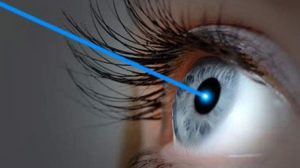
During LASIK, a thin corneal flap is created, lifted, and repositioned after the excimer laser reshapes the underlying tissue. In the first 24–72 hours, the epithelial cells at the flap edge are actively re-sealing. This process causes localised swelling (oedema) that patients often perceive as pressure. It’s similar to the tightness you feel around a healing cut elsewhere on your body — just more noticeable because the cornea is packed with nerve endings. For a deeper look at this process, see our guide on LASIK flap healing stages.
Mild Inflammation Is Part of Recovery
Any surgical procedure triggers an inflammatory response. After LASIK, your body sends immune cells and fluid to the treated area, which is exactly what it should do. This low-grade inflammation contributes to a sense of heaviness or dull ache, particularly in the first 48 hours. It’s why your surgeon prescribes anti-inflammatory drops — to keep this natural response in check without letting it interfere with healing. If you’re curious about what inflammation after LASIK looks like, we’ve covered it separately.
Temporary IOP Changes from Steroid Drops
This is the cause most patients don’t anticipate. Post-operative steroid eye drops (prednisolone, loteprednol, or similar) reduce inflammation effectively, but in a subset of patients — known as “steroid responders” — they can elevate intraocular pressure (IOP). This isn’t dangerous if caught early, which is exactly why your follow-up appointments include an IOP check. We’ll cover this in more detail below.
What Does Normal Post-LASIK Pressure Feel Like?
Patients describe it in different ways, but normal post-LASIK pressure typically feels like a dull heaviness behind the eye (not sharp or stabbing), a sensation similar to mild sinus congestion, slight tightness when blinking during the first day, or a “full” feeling that comes and goes rather than being constant.
It should not be severe enough to stop you from sleeping, and it should not get worse after the first 24 hours. If the feeling is more accurately described as sharp or throbbing pain, that’s a different symptom and needs attention.
Timeline — How Long Does Eye Pressure Last After LASIK?
For the majority of patients, here’s what to expect. In the first 4–6 hours, mild to moderate pressure is common as the anaesthetic wears off. Standard paracetamol handles this comfortably. During days 1–3 the sensation gradually lessens. You may notice it more when you blink hard or first wake up — this is normal. By days 4–7 most patients report the pressure feeling has resolved completely. If you’re still experiencing significant heaviness beyond one week, mention it at your follow-up. After week 2 and beyond, any lingering pressure at this stage is uncommon and should be evaluated. It could indicate elevated IOP, residual inflammation, or — rarely — severe dry eye masquerading as a pressure sensation.
Steroid Drops and Eye Pressure — The Connection Most Patients Miss
Roughly 5–6% of patients are “steroid responders,” meaning their IOP rises meaningfully when using corticosteroid eye drops. This isn’t a complication of the surgery itself — it’s a pharmacological reaction to the post-operative medication. Steroid drops are typically prescribed for 2–4 weeks after LASIK, and during this window, your surgeon measures your eye pressure at each follow-up.
If IOP rises, the fix is straightforward: your surgeon reduces the steroid frequency or switches to a lower-potency formulation. In most cases, pressure returns to baseline within days of adjusting the drops. The important thing is that you attend every scheduled follow-up visit — this is where steroid-response IOP spikes are caught and managed before they cause any harm. If you’re using prednisolone drops, don’t stop or change the dose on your own — always follow your surgeon’s tapering schedule.
When Is Eye Pressure After LASIK NOT Normal?
Contact your surgeon the same day if you experience sharp, stabbing pain rather than dull heaviness, pressure that intensifies after the first 48 hours instead of easing, noticeable vision deterioration accompanying the pressure, visible redness that worsens rather than improves, or severe headache centred around the treated eye.
These could indicate elevated IOP requiring intervention, early-stage infection, or diffuse lamellar keratitis (DLK) — an inflammatory condition under the flap that needs prompt treatment. None of these are common, but all are easily treatable when caught early. This is why post-operative follow-ups exist.
How to Relieve Normal Eye Pressure After LASIK
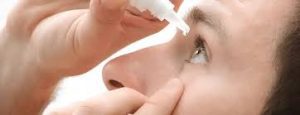
For routine, expected pressure in the first few days, use your prescribed lubricating drops frequently — dryness amplifies the pressure sensation. Take paracetamol as needed (avoid ibuprofen unless your surgeon approves, as some surgeons prefer to avoid NSAIDs in the early window). Rest with your eyes closed — the first afternoon nap after LASIK often resolves the worst of the discomfort. Wear the protective eye shields at night to prevent accidental rubbing while you sleep. Keep screens to a minimum for 24–48 hours — sustained focus increases blink rate pressure on the healing cornea.
Does the Type of Laser Surgery Affect Pressure Symptoms?
Yes. The extent of the pressure sensation correlates with how much corneal tissue is disrupted during the procedure.
LASIK and Contoura Vision create a full corneal flap (~20 mm circumference), which means more epithelial disruption, more inflammatory signalling, and a greater likelihood of noticeable pressure in the first 2–3 days.
SMILE Pro uses a keyhole incision of just 2–4 mm — roughly 80% smaller. This means fewer corneal nerves are severed, less inflammation is triggered, and patients generally report milder pressure and faster comfort recovery. If you’re comparing options and pressure-related comfort matters to you.
TransPRK is a surface procedure — no flap or incision. Ironically, it can produce more discomfort in the first 3–5 days than LASIK because the entire epithelium is removed and must regenerate.
The Bottom Line
Mild, dull pressure after LASIK is a normal part of corneal healing — not a sign that something went wrong. It typically peaks in the first 24 hours and fades significantly by day 3–5. The one thing to stay vigilant about is steroid-related IOP elevation, which your surgeon actively monitors at every follow-up. Attend those appointments, use your drops exactly as prescribed, and don’t hesitate to call if anything feels wrong. At Visual Aids Centre, our post-operative care protocol includes structured IOP monitoring at every follow-up to catch and manage pressure changes early. If you’re planning LASIK and want to understand the full recovery process before committing, book a consultation and our team will walk you through every detail.
Frequently Asked Questions (FAQs)
Is it normal to feel pressure behind the eye after LASIK?
Yes. Mild, dull pressure for 2–5 days is a standard healing response caused by corneal oedema and low-grade inflammation. It should ease gradually, not worsen.
Can steroid eye drops cause eye pressure after LASIK?
Yes. Around 5–6% of patients are steroid responders whose IOP rises with corticosteroid drops. Your surgeon checks for this at every follow-up and adjusts the medication if needed.
How long does the pressure sensation last after LASIK?
Most patients feel it for 1–3 days. By the end of the first week, the sensation has typically resolved completely. Pressure lasting beyond two weeks should be evaluated.
Should I be worried if one eye feels more pressure than the other?
Asymmetric healing is common — one eye often recovers slightly faster. As long as the pressure is dull (not sharp) and improving day by day, it’s usually nothing to worry about. Mention it at your follow-up.
Does SMILE Pro cause less eye pressure than LASIK?
Generally yes. SMILE Pro’s smaller incision disrupts fewer nerves and triggers less inflammation, so most patients report milder pressure and faster comfort recovery compared to LASIK.
👁️ MEDICALLY REVIEWED BY
Padmashree Dr. Vipin Buckshey
Optometrist & Refractive Surgery Specialist | AIIMS Graduate, 1977 | Padma Shri Honouree
The clinical information in this article reflects protocols and outcomes from over 250,000 laser vision correction procedures at Visual Aids Centre. Dr. Vipin Buckshey—an AIIMS alumnus, former President of the Indian Optometric Association, and official optometrist to the President of India—personally oversees post-operative monitoring and IOP management protocols at the centre.