SMILE Pro eye surgery takes roughly ten seconds of laser time per eye—but the days leading up to it can make or break your result. What you avoid before surgery matters just as much as the procedure itself.
Whether you’re booked at Visual Aids Centre in Delhi or still in the research phase, understanding what not to do before SMILE Pro eye surgery protects your cornea, keeps your measurements accurate, and sets you up for the sharpest possible outcome. This guide covers every pre-operative restriction your surgeon expects you to follow—and explains exactly why each one matters.
Key Takeaways
- Stop wearing contact lenses at least 7–14 days before your SMILE Pro consultation and surgery.
- Avoid alcohol, caffeine, smoking, and certain medications in the 48–72 hours before surgery.
- Skip all eye and face makeup, perfumes, and lotions on surgery day.
- Do not self-medicate or skip prescribed pre-operative eye drops.
- Following these restrictions directly improves your surgical accuracy and healing speed.
Why Pre-Operative Restrictions Matter for SMILE Pro
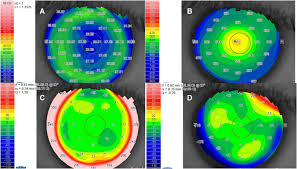
SMILE Pro uses the Zeiss VisuMax 800 femtosecond laser to create a precise lenticule inside the cornea. The laser parameters are programmed based on diagnostic scans taken during your consultation—corneal topography, pachymetry, refraction, and pupil measurements. If anything distorts those readings, the laser cuts a lenticule based on inaccurate data, and your visual outcome suffers.
That’s why pre-operative instructions aren’t optional suggestions. They’re clinical requirements that protect the precision of your surgery. Learn more about the full procedure at how does SMILE Pro eye surgery work.
Stop Wearing Contact Lenses Well in Advance
This is the single most important pre-operative instruction. Contact lenses—especially rigid gas-permeable and toric varieties—press against the cornea and temporarily alter its natural shape. If you walk into your pre-surgery scan wearing lenses you only took out that morning, the topography map will reflect a distorted cornea, not your true one.
Soft contact lenses should be removed at least 7 days before your consultation, while hard or RGP lenses need a minimum of 2–3 weeks. Your surgeon may extend this timeline based on how long you’ve worn lenses and how much corneal warping is detected. Understand the reasoning at why contacts must be stopped before laser eye surgery.
Avoid Eye Makeup, Perfumes, and Lotions
On surgery day, your eye area must be completely clean—no mascara, eyeliner, eyeshadow, kajal, foundation, moisturiser, sunscreen, or perfume. Cosmetic residue can introduce particles into the surgical field and increase infection risk. Perfume and hairspray release volatile chemicals that settle on the cornea’s surface and can interfere with the laser’s focus.
Skip all face and eye products for at least 24–48 hours before surgery. If you use waterproof makeup, allow extra time because residue from these formulas is harder to remove completely. For more on cosmetic precautions around eye surgery, see why hairspray is restricted before laser eye surgery.
Skip Alcohol and Caffeine Before Surgery
Alcohol
Alcohol dehydrates the body and the ocular surface. A dehydrated cornea produces less reliable scan readings and heals more slowly. Alcohol also increases the chances of involuntary eye movements during the procedure. Avoid all alcoholic drinks for at least 48 hours before your scheduled surgery. Read more at alcohol and laser eye surgery.
Caffeine
Caffeine elevates anxiety, raises intraocular pressure slightly, and can cause micro-tremors—none of which are helpful when a laser is working inside your cornea. While SMILE Pro’s suction system compensates for small movements, reducing caffeine for 24 hours before surgery helps you stay calm and your eyes steady. Find out more at why caffeine is restricted before eye surgery.
Do Not Smoke or Use Nicotine Products
Nicotine constricts blood vessels, reducing oxygen supply to the cornea—exactly the opposite of what healing tissue needs. Smoking also dries out the tear film and increases the risk of post-operative inflammation. Stop smoking, vaping, and all nicotine products for at least 72 hours before surgery and continue avoiding them throughout recovery. For a deeper look, visit nicotine and laser eye surgery.
Medications You Should Avoid or Discuss
Certain medications affect corneal healing, tear production, or pupil response—all of which are critical during SMILE Pro. Inform your surgeon about every medication you take, including over-the-counter supplements. Drugs that commonly require discussion include antihistamines (they dry the eyes), isotretinoin or Accutane (affects corneal healing—typically requires a 6-month waiting period), blood thinners, immunosuppressants, and hormonal medications.
Never stop a prescribed medication on your own. Your ophthalmologist will advise which drugs to pause and for how long. Review the full list at medications to avoid before laser eye surgery.
Don’t Skip Your Pre-Operative Eye Drops
Your surgeon may prescribe antibiotic or lubricating drops to use in the days before surgery. These drops reduce bacterial load on the eye surface and optimise the tear film for accurate scanning. Skipping them—or using them inconsistently—undermines their purpose. Use every drop exactly as directed. Learn about pre-surgery drops at eye drops before laser eye surgery.
Other Common Pre-Surgery Mistakes
Skipping Meals
SMILE Pro does not require general anaesthesia, so fasting is unnecessary. In fact, arriving hungry can make you dizzy or lightheaded. Eat a normal, light meal before your appointment.
Arriving Alone Without a Ride Home
Your vision will be hazy immediately after surgery. Driving yourself is not safe. Arrange for someone to accompany you and drive you home.
Wearing Tight or Pullover Clothing
Pulling a sweater over your head after surgery risks bumping or pressing against your eyes. Wear a button-down shirt or zip-up jacket instead. See complete guidance at how to prepare for SMILE Pro eye surgery.
Using Self-Prescribed Eye Drops
Do not use any eye drops—medicated or otherwise—that your surgeon hasn’t approved. Some drops contain preservatives or vasoconstrictors that interfere with surgery.
How to Prepare the Right Way
Knowing what to avoid is half the picture. Equally important is understanding what to actively do. Get a full pre-operative eye evaluation, follow your surgeon’s lens-free period, attend your scheduled consultation on time, and ask every question you have. The best candidates are the best-informed ones. Check eligibility criteria at who is a good candidate for SMILE Pro eye surgery, and explore the benefits at SMILE Pro eye surgery benefits.
Conclusion
The days before SMILE Pro surgery aren’t a waiting period—they’re an active preparation phase. Avoiding contact lenses, makeup, alcohol, caffeine, smoking, and unapproved medications protects the accuracy of your laser treatment and supports faster healing. Every restriction has a clinical reason behind it, and following them closely is one of the simplest ways to ensure you get the best possible visual result. If you’re planning SMILE Pro surgery in Delhi, book your consultation at Visual Aids Centre and get personalised pre-operative guidance from an experienced team.
Frequently Asked Questions (FAQs)
How many days before SMILE Pro should I stop wearing contact lenses?
Remove soft lenses at least 7 days before your consultation. Hard or RGP lenses require 2–3 weeks. Your surgeon may adjust this based on your specific case.
Can I drink coffee on the morning of my SMILE Pro surgery?
It’s best to skip caffeine for at least 24 hours before surgery. Caffeine can increase eye pressure and cause small tremors that may affect comfort during the procedure.
Is it okay to wear light makeup to the clinic on surgery day?
No. Avoid all face and eye makeup for 24–48 hours before surgery. Even residual particles can increase infection risk during the procedure.
Do I need to fast before SMILE Pro eye surgery?
No fasting is required. SMILE Pro uses topical anaesthetic drops, not general anaesthesia. Eat a light, normal meal before your appointment.
Can I take my regular prescription medications before surgery?
Discuss all medications with your surgeon during the consultation. Most routine medications are fine, but certain drugs like blood thinners, antihistamines, and isotretinoin may need to be paused or reviewed.
👁️ MEDICALLY REVIEWED BY
Padmashree Dr. Vipin Buckshey
Optometrist & Vision Correction Specialist | AIIMS Graduate, 1977 | Padma Shri Honouree
Every pre-operative instruction in this guide is grounded in the clinical protocols followed at Visual Aids Centre under the oversight of Dr. Vipin Buckshey. With more than four decades of experience and over 250,000 laser vision correction procedures supervised, Dr. Buckshey understands that the quality of a refractive outcome begins well before the patient enters the operating room.
An AIIMS alumnus, former President of the Indian Optometric Association, official optometrist to the President of India, and Padma Shri recipient, Dr. Buckshey personally reviews pre-operative readiness for every SMILE Pro case at the centre—ensuring that diagnostic measurements reflect the patient’s true corneal state and that no avoidable variable compromises the surgical result.