
Some degree of eye discomfort after SMILE surgery is completely normal—your cornea has just undergone a precise laser procedure, and it needs time to heal. But for many patients, knowing the difference between expected post-operative soreness and pain that signals a problem is the real source of anxiety. Understanding what to expect makes recovery far less stressful.
This guide from Visual Aids Centre covers the common causes of eye pain after SMILE surgery, what a normal pain timeline looks like, practical ways to manage discomfort at home, and the specific warning signs that should prompt an immediate call to your surgeon. Whether you had standard SMILE or SMILE Pro, the recovery experience follows a similar pattern—here’s what you need to know.
Key Takeaways
- Mild to moderate eye pain, stinging, and a gritty sensation are normal in the first 2–6 hours after SMILE surgery.
- Most discomfort resolves within 24–48 hours; lingering sharp pain beyond 72 hours warrants a call to your surgeon.
- Preservative-free lubricating drops, prescribed pain relief, and rest are the most effective comfort measures.
- SMILE causes less post-operative pain than LASIK because there’s no corneal flap—only a small 2–4 mm incision.
Why Does Your Eye Hurt After SMILE Surgery?
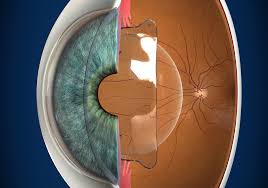
During SMILE (Small Incision Lenticule Extraction), a femtosecond laser creates a thin disc of tissue—called a lenticule—inside the corneal stroma, which is then removed through a small incision of just 2–4 mm. Even though this is far less invasive than flap-based procedures, the cornea is still a densely innervated tissue. The laser disrupts some corneal nerve fibres during lenticule creation, and those nerves fire pain and irritation signals as part of the healing process.
The discomfort you feel in the first few hours is your cornea’s natural inflammatory response—a necessary part of wound healing. The surface epithelium around the incision site also needs to reseal, and until it does, the exposed nerve endings are more sensitive to blinking, light, and air movement. This is why most patients describe the sensation as stinging, burning, or a feeling of sand in the eye rather than sharp, stabbing pain.
Dryness also plays a significant role. SMILE disrupts fewer corneal nerves than LASIK (which is one of its key advantages), but the nerves that are affected temporarily reduce your blink reflex and tear production. This transient post-SMILE dryness amplifies the gritty, irritated feeling in the early recovery window.
The Normal Pain Timeline After SMILE
First 2–6 Hours: Peak Discomfort
This is when most patients experience their worst discomfort. Once the anaesthetic drops wear off (usually 20–30 minutes after the procedure), you’ll likely feel a stinging or burning sensation, watery eyes, and sensitivity to light. Many patients describe it as similar to cutting onions—uncomfortable but manageable. The best strategy is to go home, keep your eyes closed, and nap for a few hours. Most of the acute discomfort passes while you sleep.
Hours 6–24: Rapid Improvement
By the evening of surgery day or the morning after, most patients notice a significant drop in pain. The stinging typically fades to a mild foreign-body sensation—as if there’s an eyelash stuck under the lid. Vision may still be slightly hazy, and your eyes might feel tired, but the sharp discomfort should be largely gone.
Days 2–7: Residual Dryness and Mild Irritation
By the second or third day, most patients report little to no pain. What remains is typically dryness-related discomfort—a scratchy or tight feeling, especially in the morning or after prolonged screen use. Regular use of preservative-free lubricating eye drops manages this effectively. By the end of the first week, the majority of patients feel comfortable enough to return to normal activities.
SMILE vs LASIK: Which Hurts More?
One of the reasons patients choose SMILE over LASIK is the reduced post-operative discomfort. In LASIK, a large corneal flap (roughly 20 mm circumference) is created, severing a significant number of corneal nerves. This causes more inflammation, more dryness, and more pain in the immediate post-operative period. SMILE, by contrast, involves only a small keyhole incision—preserving the vast majority of the corneal surface and its nerve supply.
Clinical studies consistently show that SMILE patients report lower pain scores in the first 24 hours compared to LASIK patients. If you’re weighing both procedures and post-operative comfort is a priority, this is a meaningful difference.
How to Manage Eye Pain at Home
Use Prescribed Eye Drops on Schedule
Your surgeon will prescribe antibiotic drops, anti-inflammatory (steroid) drops, and preservative-free artificial tears. The steroid drops in particular help control the inflammatory component of pain. Don’t skip doses in the first few days—consistent use makes a noticeable difference in comfort. If you’re unsure about drop spacing, a general rule is to wait five minutes between different medications so each one absorbs properly.
Sleep and Rest Your Eyes
The single most effective pain management tool in the first few hours is sleep. Keeping your eyes closed eliminates the irritation from blinking, air exposure, and light. Wear your protective eye shields while sleeping to prevent accidental rubbing—this is especially important on the first night.
Avoid Screens and Bright Light
Screen use forces your eyes to focus and blink less frequently, which worsens both dryness and discomfort. For the first 24 hours, avoid phones, tablets, and computers as much as possible. When you do resume, take frequent breaks. Our guide on using your phone after SMILE covers the recommended timeline in detail.
Over-the-Counter Pain Relief
If discomfort is bothersome, paracetamol (acetaminophen) is generally safe and effective. Avoid ibuprofen or aspirin in the first 24 hours unless your surgeon specifically approves it, as these can increase the risk of minor bleeding at the incision site. Always check with your surgeon before taking any medication not included in your post-operative prescription.
What Causes Prolonged or Unusual Pain?
Dry Eye Syndrome
The most common reason for ongoing discomfort beyond the first week is dryness. If your tear film was compromised before surgery—due to meibomian gland dysfunction, prolonged contact lens wear, or environmental factors—the post-SMILE dryness may take longer to resolve. Consistent lubricating drop use and, in some cases, warm compresses to support meibomian gland function can help accelerate recovery.
Epithelial Healing Irregularities
Occasionally, the epithelium around the incision site heals unevenly, causing a persistent foreign-body sensation. This is usually self-limiting and resolves within a few days, but your surgeon may prescribe additional lubricating drops or a bandage contact lens in rare cases.
Inflammation at the Interface
Though rare in SMILE (more common in flap-based procedures), inflammation at the lenticule extraction interface can cause a dull ache and reduced vision clarity. If caught early at your follow-up appointment, this responds well to an adjusted steroid drop regimen.
Elevated Eye Pressure
Post-operative steroid drops can occasionally cause a rise in intraocular pressure, which some patients perceive as a deep, throbbing ache or headache centred around the eye. Your surgeon monitors IOP at each follow-up and can switch to a lower-potency steroid if this occurs.
Red Flags: When Eye Pain Needs Immediate Attention
While most eye pain after SMILE is benign and self-resolving, certain patterns require urgent evaluation. Contact your surgeon immediately if you experience a sudden, sharp increase in pain after an initial period of improvement (pain that gets worse rather than better is never normal), if the pain is accompanied by a noticeable drop in vision that doesn’t improve with lubricating drops, if you develop significant redness with discharge (especially if yellow or green), or if you feel intense pressure inside the eye along with nausea or seeing halos around lights.
These symptoms could indicate infection, severe inflammation, or a pressure spike—all of which are treatable but require prompt intervention. Don’t wait for your next scheduled follow-up if any of these occur.
Conclusion
Eye pain after SMILE surgery is almost always temporary, peaking in the first few hours and largely resolving within 24–48 hours. The flapless design of SMILE means less nerve disruption and less post-operative pain compared to LASIK—one of the key reasons it has become a preferred procedure for patients who prioritise a comfortable recovery. Stick to your prescribed drop schedule, rest your eyes, and avoid screens in the first day. If pain worsens instead of improving, or if you notice any of the red flags described above, reach out to your surgeon without delay. Planning for SMILE and want a clear picture of what recovery looks like? Book a consultation at Visual Aids Centre and our team will walk you through every stage of healing—including personalised pain management based on your eye health profile.
Frequently Asked Questions (FAQs)
How long does eye pain last after SMILE surgery?
Most patients experience peak discomfort for 2–6 hours after surgery. By 24 hours, the pain is usually mild, and by 48–72 hours, most patients report little to no pain—only mild dryness-related irritation.
Is it normal to feel a burning sensation after SMILE?
Yes. A stinging or burning sensation is the most common complaint in the first few hours as the anaesthetic drops wear off. It’s caused by the healing corneal nerves and usually resolves with sleep and lubricating drops.
Can I take painkillers after SMILE eye surgery?
Paracetamol is generally safe and effective. Avoid ibuprofen or aspirin in the first 24 hours unless your surgeon specifically approves it, as they may increase bleeding risk at the incision site.
Does SMILE Pro hurt less than standard SMILE?
SMILE Pro uses a faster laser (the VisuMax 800), which reduces suction time and overall procedure duration. Many patients report slightly less discomfort with SMILE Pro, though the post-operative pain profile is similar to standard SMILE.
When should I be worried about eye pain after SMILE surgery?
Contact your surgeon if pain worsens after initially improving, if it’s accompanied by significant vision loss, if you notice coloured discharge, or if you feel intense pressure inside the eye with nausea or halos.
👁️ MEDICALLY REVIEWED BY
Padmashree Dr. Vipin Buckshey
Optometrist & Post-Operative Care Specialist | AIIMS Graduate, 1977 | Padma Shri Honouree
The pain management and recovery protocols described in this article are based on post-operative outcomes tracked across thousands of SMILE and SMILE Pro procedures at Visual Aids Centre. Dr. Vipin Buckshey—an AIIMS alumnus with over 250,000 laser vision correction procedures to his credit, former President of the Indian Optometric Association, and official optometrist to the President of India—personally reviews pain management protocols and adjusts post-operative care based on each patient’s healing response.