
You have just had LASIK and your vision is already sharper — but your brows are starting to look a little unruly. Before you reach for the tweezers or book a threading appointment, there are a few things your healing cornea needs you to know.
Eyebrow grooming after LASIK is not off-limits permanently — far from it. But the method you choose, the timing, and the precautions you take during the first few weeks matter more than you might expect. Threading tugs at the delicate skin around the orbital rim. Waxing involves heat and chemicals near your eyes. Even a simple tweezing session can trigger a reflexive squeeze that puts pressure on a healing corneal flap. This guide breaks down exactly when each eyebrow method becomes safe, what to watch out for, and how to keep your recovery on track while getting back to your grooming routine.
Key Takeaways
- Wait at least 7–10 days before gentle tweezing; avoid threading and waxing for a minimum of 2–4 weeks.
- Microblading and eyebrow tattooing should wait at least 4–6 weeks post-LASIK.
- The involuntary squeezing reflex during brow grooming can disturb a healing corneal flap in the early days.
- Always get your surgeon’s clearance before resuming any beauty treatment near the eye area.
Why Eyebrow Grooming Requires Caution After LASIK
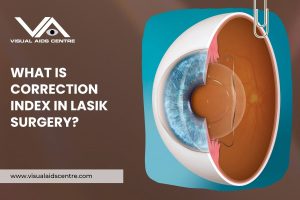
During LASIK surgery, a thin flap is created on the corneal surface, the underlying tissue is reshaped with a laser, and the flap is repositioned. In flapless procedures like SMILE Pro, a small lenticule is extracted through a tiny incision. Either way, the cornea is in a delicate healing phase for several weeks afterward.
Eyebrow grooming seems harmless — it happens above the eye, not on it. But the reality is more nuanced. When someone threads or waxes your brows, the natural reflex is to squeeze your eyes shut. That involuntary squeezing creates intraocular pressure that can, in the very early days, shift or wrinkle a healing flap. Additionally, wax drips, threading debris, and even the vibration from an electric trimmer can introduce irritants to the ocular surface when your tear film is still unstable from post-LASIK dryness.
Method-by-Method Timeline: When Each Technique Is Safe
Tweezing and Plucking — 7 to 10 Days
Tweezing is the gentlest option because you control the pressure, the angle, and you can keep well away from the eyelid margin. Most surgeons clear patients for careful tweezing around the one-week mark, provided healing is progressing normally. Use clean, sanitised tweezers and work in a well-lit room so you do not lean too close to a magnifying mirror and accidentally bump your eye. If you experience any reflexive tearing or stinging, stop and wait a few more days.
Threading — 2 to 4 Weeks
Threading involves rapid, repetitive contact with the skin around the orbital bone. The practitioner often pulls the skin taut and works very close to the upper eyelid. This proximity, combined with the tugging motion, makes it riskier than tweezing in the early recovery window. Most eye surgeons recommend waiting at least two weeks — and ideally three to four weeks — before threading. When you do go back, inform your beautician about your recent surgery so they can take extra care around the eye area.
Waxing — 3 to 4 Weeks
Waxing near the eyes carries two additional risks. First, hot or warm wax can drip toward the lash line, introducing chemicals to a healing corneal surface. Second, the ripping motion required to remove the wax strip causes a strong involuntary blink reflex. Wait at least three to four weeks, and when you resume, ensure the aesthetician applies wax only above the brow arch — never between the brows and the eyelid. For broader guidance on cosmetics and skincare during this period, see our guide on skincare after LASIK.
Microblading and Brow Tattooing — 4 to 6 Weeks
Microblading is a semi-permanent technique that involves tiny blade incisions in the skin to deposit pigment. Although it does not touch the eye directly, the procedure requires you to lie flat for an extended period while a technician works millimetres from your upper eyelid. The healing process also involves its own aftercare — keeping the brow area moist, avoiding water contact, and preventing scabbing — which can conflict with your LASIK recovery protocol. Wait a minimum of four to six weeks, and always inform your microblading artist about your eye surgery.
Threading After LASIK: What You Need to Know
Threading is the most popular brow-shaping method in India, and it is the question we hear most often at Visual Aids Centre. The technique uses a twisted cotton thread to trap and pull out rows of hair at the follicle level. It is precise and chemical-free, which are advantages — but the physical proximity to the eye is the concern.
During threading, the practitioner often holds the skin above the eyelid taut with one hand. This stretching, combined with the sharp sensation of hair removal, triggers a strong blink and squint reflex. In the first two weeks after LASIK, when the corneal flap is still gaining adhesion strength, that reflex can create enough pressure to cause a flap wrinkle or shift — a rare but avoidable complication. After the two-week mark, flap adhesion is typically strong enough to handle normal facial expressions and mild periorbital contact.
Waxing Near the Eyes Post-Surgery
If waxing is your preferred method, the key risk factors are heat, chemical contact, and the forceful removal motion. Hot wax can irritate the already-sensitive skin around the eye, and if any product migrates past the brow into the tear film, it can cause a chemical keratitis or delay healing. Even minor eye infections can compromise your LASIK outcome if they occur during the critical first month.
When you do resume waxing after three to four weeks, consider switching to a strip wax rather than hard wax for the brow area — it requires less heat and allows more control over placement. Use preservative-free lubricating drops before and after the appointment to keep your ocular surface hydrated and flush any stray particles.
Microblading and Eyebrow Tattooing After LASIK
Microblading has its own multi-week healing cycle — the treated skin goes through scabbing, flaking, and pigment settling over four to six weeks. If you undergo microblading too soon after LASIK, you end up managing two separate healing processes simultaneously, which increases the likelihood of neglecting one or the other.
There is also a practical concern: during the microblading appointment, numbing cream is applied to the brow area. If this cream migrates into the eye, it can temporarily numb the corneal surface and mask early warning signs of irritation or dryness. For similar reasons, Botox and filler injections near the eyes are also best postponed until your surgeon confirms full recovery. If you are planning both LASIK and microblading, the ideal approach is to get your microblading done at least four weeks before LASIK, so the brow area is fully healed by surgery day.
Safety Tips for Resuming Brow Grooming
Get surgeon clearance first. Your eye surgeon’s timeline supersedes any general guideline. At your follow-up appointment, ask specifically about brow grooming — they can assess your flap adhesion and corneal healing before giving the green light.
Sanitise your tools. Whether it is tweezers, a spoolie brush, or a brow pencil sharpener, clean everything with rubbing alcohol before use. Bacteria from grooming tools is one of the most overlooked infection risks after eye surgery.
Avoid brow gels and tints for four weeks. Tinting chemicals and setting gels can flake into the eye. Stick to a clean, product-free brow look during early recovery. For related cosmetics guidance, our article on removing eye makeup safely after LASIK covers the broader timeline.
Use artificial tears generously. Any grooming session near the eyes will temporarily reduce your blink rate — the same mechanism that causes dryness during screen time. Apply lubricating drops before and after to keep the corneal surface protected.
Warning Signs to Watch For
If you experience any of the following during or after an eyebrow grooming session in the weeks following LASIK, stop immediately and contact your eye surgeon: sudden blurred or hazy vision in one or both eyes; sharp pain (not just mild stinging); a visible red spot or increased redness that does not resolve within an hour; excessive watering that is different from your usual post-LASIK tearing; or a feeling that something is “in” the eye that does not go away with drops. These could indicate flap displacement, an inflammatory response, or early infection — all of which are treatable when caught early.
Conclusion
Getting your eyebrows done after LASIK is simply a matter of timing and technique. Gentle tweezing can resume after about a week, threading and waxing are typically safe from two to four weeks, and microblading should wait at least four to six weeks. The common thread across all methods is this: avoid anything that creates pressure on the eye, introduces chemicals near the lash line, or triggers a strong reflexive squeeze during the early healing window. A few weeks of patience ensures your brows and your vision both look their best. If you are planning LASIK and want a personalised recovery timeline that includes your beauty routine, book a consultation at Visual Aids Centre.
Frequently Asked Questions (FAQs)
Can I tweeze my eyebrows one week after LASIK?
Yes, most surgeons allow gentle tweezing after 7–10 days. Use sanitised tweezers, work in good light, and avoid pulling hairs too close to the upper eyelid margin.
Is threading safer than waxing after LASIK?
Threading avoids the chemical and heat risks of waxing, but it still involves close contact with the eye area and triggers a strong blink reflex. Both should wait at least 2–4 weeks; threading is typically cleared slightly earlier.
How long should I wait for microblading after LASIK?
Wait at least 4–6 weeks. Microblading has its own healing process that can conflict with LASIK recovery, and numbing creams used during the procedure can migrate toward the eye.
Can eyebrow grooming dislodge my LASIK flap?
In the very first days, the involuntary squeezing reflex during grooming could theoretically affect a healing flap. After two weeks, flap adhesion is strong enough that normal grooming activities pose no risk.
Is it safe to use eyebrow tint after LASIK?
Wait at least four weeks. Tinting chemicals can drip or flake into the eye, causing irritation or a chemical reaction on the healing corneal surface.
Should I get microblading before or after LASIK?
Ideally, get microblading at least four weeks before LASIK so the brow area is fully healed by surgery day. If you have already had LASIK, wait 4–6 weeks before microblading.
👁️ MEDICALLY REVIEWED BY
Padmashree Dr. Vipin Buckshey
Optometrist & Post-Operative Care Specialist | AIIMS Graduate, 1977 | Padma Shri Honouree
With more than four decades of clinical experience and over 250,000 laser vision correction procedures performed at Visual Aids Centre, Dr. Vipin Buckshey routinely advises patients on every aspect of post-LASIK life — including the practical beauty and grooming questions that matter most in day-to-day recovery. An AIIMS alumnus, former President of the Indian Optometric Association, and official optometrist to the President of India, Dr. Buckshey ensures every patient leaves with a personalised recovery timeline, not a generic instruction sheet. Learn more about our team and legacy.