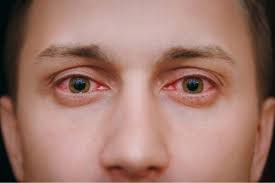

Most laser eye surgery patients describe post-operative discomfort as a mild burning, stinging, or gritty sensation — not the sharp, debilitating pain many fear beforehand. The good news: this discomfort is predictable, manageable, and short-lived. With the right combination of prescribed medications, environmental adjustments, and simple self-care techniques, you can navigate the first 24–48 hours comfortably and set yourself up for a smooth recovery.
Whether you had LASIK, Femto LASIK, Contoura Vision, PRK, or SMILE Pro, some degree of post-operative eye discomfort is expected as your cornea heals. This guide covers the full spectrum of pain relief strategies — from immediate post-surgery steps to longer-term habits that support healing. We also explain which symptoms are normal and which warrant a call to your surgeon, because knowing the difference eliminates unnecessary anxiety during recovery.
Key Takeaways
- Post-laser eye surgery discomfort typically peaks in the first 3–6 hours and resolves substantially within 24 hours for LASIK; PRK may take 3–5 days.
- Prescribed eye drops (antibiotics, anti-inflammatories, lubricants) are your primary pain management tool — use them exactly as directed.
- Oral analgesics like paracetamol, taken proactively before the anaesthetic wears off, prevent pain from escalating.
- Environmental factors — dark rooms, humidity, no screens — have a measurable impact on comfort during early recovery.
What Does Normal Post-Surgery Pain Feel Like?
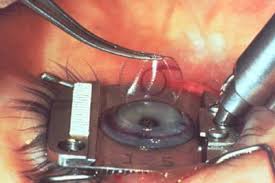
Setting realistic expectations is half the battle. After LASIK or Femto LASIK, most patients describe a burning or watery-eye sensation that feels like having chopped onions — uncomfortable but tolerable. This sensation is caused by the corneal nerves being temporarily disrupted during flap creation and reshaping. It is not a sign that something went wrong.
PRK and TransPRK patients typically experience more significant discomfort because the entire corneal epithelium is removed rather than a flap being created, meaning there is a larger surface area of exposed nerve endings. Pain after PRK can be moderate for 3–5 days until the epithelium regenerates. SMILE and SMILE Pro patients generally report the mildest discomfort due to the smaller incision. Regardless of the procedure, understanding how long post-surgery eye pain typically lasts helps you calibrate your expectations and recognise when your recovery is on track.
Immediate Pain Relief: The First 6 Hours
Sleep Through the Worst of It
The single most effective pain relief strategy is sleep. Your surgeon will likely advise you to go home and nap for 3–4 hours immediately after the procedure. During sleep, your eyes remain closed, protected from light and air, and your body accelerates the initial healing process. Most patients wake up feeling significantly better than they did when they left the clinic.
Take Oral Pain Relief Proactively
Do not wait until the pain builds — take your oral analgesic before the topical anaesthetic from the procedure wears off. Paracetamol (acetaminophen) is the most commonly recommended option. Your surgeon will advise on dosing and timing. Avoid aspirin and ibuprofen unless specifically cleared by your eye doctor, as some NSAIDs can interfere with corneal healing in certain cases.
Keep Your Eyes Closed
Every blink exposes healing corneal tissue to air, light, and friction from the eyelid. In the first few hours, keeping your eyes gently closed — without squeezing — reduces all three irritants simultaneously. Wear the protective shields or dark wraparound sunglasses your clinic provides, and resist the temptation to check your vision repeatedly.
Medications That Help
Prescribed Anti-Inflammatory Eye Drops
Your surgeon will prescribe a steroid eye drop — most commonly prednisolone acetate — to control corneal inflammation during the healing period. These drops do more than reduce swelling; they directly decrease pain by calming the inflammatory cascade that irritated nerve endings trigger. Follow the tapering schedule precisely — stopping steroid drops too early or using them too long both carry risks.
Antibiotic Eye Drops
While antibiotics do not relieve pain directly, they prevent infection — which is one of the few complications that can cause genuine severe pain after laser eye surgery. Using your antibiotic drops as prescribed keeps the healing cornea infection-free, which means your discomfort stays within the expected mild-to-moderate range.
Preservative-Free Lubricating Drops
Artificial tears are arguably as important for comfort as the medicated drops. Dryness is the most common contributor to post-surgery stinging and grittiness. Use preservative-free formulations liberally — every 1–2 hours in the first day, and as needed thereafter. The lubricant creates a smooth barrier between your healing cornea and your eyelid, reducing friction-based discomfort with every blink.
Environmental and Lifestyle Adjustments
Control Light Exposure
Bright light intensifies post-operative discomfort because it stimulates already-irritated corneal nerves. Keep your recovery room dim — close curtains, turn off overhead lights, and avoid screens entirely for the first 12–24 hours. When you do step outside, wear UV-protective wraparound sunglasses. For practical guidance on when you can safely return to phone and screen use, we have a dedicated timeline.
Manage Air Quality and Humidity
Dry air from air conditioning, ceiling fans, or heaters accelerates tear evaporation and worsens the dryness that drives much of the post-surgical discomfort. Turn off direct airflow in your recovery room and consider running a humidifier. If you live in Delhi — where dust and pollution are constant environmental factors — keeping windows closed during the first 48 hours is particularly important.
Do Not Rub Your Eyes
The itchy, gritty sensation after laser eye surgery creates a powerful urge to rub. Resist it completely. Rubbing can displace a healing corneal flap (in LASIK) or damage regenerating epithelium (in PRK), turning mild discomfort into a genuine complication. If the itch is unbearable, instil lubricating drops instead — they provide immediate relief without contact.
Apply Cool Compresses Carefully
A clean, cool (not ice-cold) compress placed over closed eyelids can soothe inflammation and provide welcome relief during the first day. Wrap a cold pack in a clean cloth — never apply ice directly to the delids. Keep the pressure gentle; the goal is temperature relief, not mechanical compression on healing tissue. For more targeted advice on managing post-operative puffiness, our guide to reducing eye swelling after LASIK covers effective techniques.
Longer-Term Recovery Strategies
Delay Strenuous Activity
Exercise increases blood pressure and blood flow to the head, which can amplify post-operative throbbing and increase the risk of flap complications. Most surgeons advise avoiding gyms, running, weight training, and swimming for at least one to two weeks. Our article on returning to exercise after LASIK provides a sport-by-sport timeline so you know exactly when each activity becomes safe.
Support Healing with Nutrition
What you eat and drink in the days following surgery supports your body’s repair mechanisms. Omega-3 fatty acids — found in salmon, mackerel, walnuts, and flaxseeds — have well-documented anti-inflammatory properties and support tear film quality. Many surgeons recommend starting omega-3 supplementation before surgery and continuing for several weeks after. Beyond omega-3s, ensuring adequate intake of vitamins A, C, and E supports corneal healing; our guide on post-LASIK vitamins covers specific recommendations.
Attend Every Follow-Up Appointment
Your first post-operative check-up (usually 24 hours after surgery) is not optional — even if you feel fine. Your surgeon needs to confirm flap positioning, check for early signs of infection or inflammation, and adjust your medication regimen if needed. These appointments are your safety net, and they directly contribute to pain-free recovery by catching issues before they become symptomatic.
When Pain Is Not Normal
Mild to moderate discomfort that progressively improves over hours is expected. Certain pain patterns, however, require immediate attention from your surgeon. Contact your clinic urgently if you experience a sudden spike in pain after an initial period of improvement (this can indicate infection or flap displacement), pain that is genuinely severe and unresponsive to prescribed medication, pain accompanied by a noticeable drop in vision quality, or any discharge that is yellow, green, or foul-smelling.
Conclusion
Pain after laser eye surgery is real but manageable — and for most patients, it is surprisingly mild. The combination of proactive oral pain relief, prescribed eye drops used on schedule, a dark and humid recovery environment, and the discipline to rest your eyes and avoid rubbing gets most people through the acute phase in under 24 hours. PRK patients should expect a longer discomfort window, but the same strategies apply. The key is preparation: know what to expect, have your medications ready, and follow your surgeon’s instructions precisely. If you are planning laser eye surgery and want a personalised recovery plan, schedule a consultation at Visual Aids Centre — we prepare every patient for a comfortable, confident recovery.
Frequently Asked Questions (FAQs)
How long does pain last after LASIK?
Most LASIK patients experience discomfort for 3–6 hours after surgery, with significant improvement by the next morning. Mild dryness and sensitivity may continue for a few days to weeks.
Is it normal to feel pain after laser eye surgery?
Yes. Mild burning, stinging, and a gritty sensation are normal in the first 24 hours. This is your cornea’s natural response to surgical reshaping and typically resolves quickly.
Can I take ibuprofen after LASIK?
Check with your surgeon first. While some surgeons allow ibuprofen, others prefer paracetamol to avoid any potential interference with corneal healing. Always follow your surgeon’s specific guidance.
Why does PRK hurt more than LASIK?
PRK removes the entire corneal epithelium, exposing more nerve endings than the flap created in LASIK. Pain typically lasts 3–5 days until the epithelial layer regenerates.
When should I call my doctor about post-surgery pain?
Contact your surgeon if pain suddenly worsens after initially improving, does not respond to prescribed medications, is accompanied by vision changes, or if you notice discharge from the eye.
👁️ MEDICALLY REVIEWED BY
Padmashree Dr. Vipin Buckshey
Optometrist & Post-Operative Care Specialist | AIIMS Graduate, 1977 | Padma Shri Honouree
With more than four decades of clinical experience and over 250,000 laser vision correction procedures supervised at Visual Aids Centre, Dr. Vipin Buckshey has developed comprehensive post-operative pain management protocols that minimise patient discomfort while optimising healing speed. An AIIMS alumnus, former President of the Indian Optometric Association, and official optometrist to the President of India, Dr. Buckshey personally reviews every patient’s recovery plan — including medication schedules, follow-up timelines, and environmental recommendations — to ensure the smoothest possible experience after LASIK, Contoura, PRK, and SMILE Pro procedures.