
It’s one of the most common post-LASIK questions we hear at Visual Aids Centre — “When can I wash my hair again?” The short answer: you can shampoo your hair as early as two days after surgery, but the way you do it matters far more than the timing. Getting shampoo, conditioner, or even plain tap water into a freshly operated eye can irritate the healing corneal surface and raise your infection risk.
LASIK reshapes the cornea through a thin flap (or a small incision in flapless procedures like SMILE Pro). That flap needs undisturbed time to re-adhere. Anything that introduces chemicals or water pressure near your eyes — including a careless shampoo rinse — can compromise healing. This guide gives you a clear day-by-day timeline, safe hair-washing techniques, and the warning signs that mean you should call your surgeon.
Key Takeaways
- Avoid shampooing for the first 24–48 hours after LASIK; after that, wash with caution for at least one week.
- Tilt your head backward while rinsing so water and suds flow away from your eyes, not into them.
- Switch to a fragrance-free, gentle shampoo for the first two weeks to reduce chemical irritation risk.
- If shampoo accidentally enters your eye, flush immediately with preservative-free artificial tears — not tap water.
Why You Need to Be Careful With Shampoo After LASIK
During LASIK, a femtosecond laser creates a thin corneal flap that is lifted, the underlying tissue is reshaped, and the flap is repositioned. In the first days and weeks, that flap is still bonding back to the corneal bed. Shampoos contain surfactants, fragrances, and preservatives designed to strip oil from hair — and those same chemicals can cause stinging, inflammation, or even a chemical burn on a healing corneal surface.
Beyond the chemical risk, the mechanical pressure of water hitting your face in the shower can push soap-laden water past the lash line. Even a small amount entering the tear film can disrupt the delicate epithelial layer that is regenerating over the flap edge. Patients who had Femto LASIK or Contoura Vision should take these precautions equally seriously — the flap-healing dynamics are similar across all flap-based procedures.
Day-by-Day Hair-Washing Timeline After LASIK
Day 1: No Hair Washing
On the day of surgery and the first night, skip washing your hair entirely. Your corneal flap is at its most vulnerable. Focus on resting, using your prescribed eye drops, and sleeping with your protective eye shields. If your hair feels uncomfortable, use a dry shampoo applied well away from your forehead and eye area.
Days 2–3: Careful Washing Only
From the second day, you can shampoo your hair — but with precautions. Tilt your head back in the shower so water runs down the back of your head, away from your face. Keep your eyes closed throughout. Avoid letting the shower stream hit your face directly. Many patients find it easier to have someone help them wash their hair over a basin during these first few days.
Days 4–7: Gentle Return to Normal
By day four, most patients can shower and shampoo more normally, though you should still avoid letting soapy water run directly into your eyes. Continue tilting your head back during rinsing. For broader face-cleaning guidance during this period, our article on how to wash your face after LASIK covers the complete technique.
Week 2 and Beyond: Normal Routine Resumes
After two weeks, your corneal surface has healed enough that normal shampooing poses minimal risk. You can return to your regular products and routine. If you are still experiencing post-operative dryness, consider continuing with a gentler shampoo for a few more weeks, as harsh surfactants can aggravate dry eye symptoms.
How to Safely Shampoo Your Hair After LASIK
The technique matters as much as the timing. Here’s how to wash your hair without putting your healing eyes at risk:
- Use lukewarm water. Hot water produces steam that can irritate the ocular surface, and the heat encourages your pores and meibomian glands to open — not ideal when you want to keep foreign substances out.
- Tilt your head back, not forward. This is the single most important step. Leaning forward lets suds and water stream straight down your forehead into your eyes. Lean back and let water flow over the crown of your head and down your back.
- Keep your eyes closed. Even if no shampoo is near your face, keep your eyes shut during the entire rinse cycle. Reflex blinking alone is not reliable enough in the first week.
- Apply shampoo to the length of your hair, not the scalp line. Avoid lathering aggressively near your forehead. Work the shampoo through the mid-lengths and ends first, then gently clean the scalp.
- Pat dry with a clean towel. After washing, pat your face dry with a lint-free towel — never rub. To understand why rubbing is risky, see our guide on rubbing eyes after LASIK.
Showering and Bathing: What Else to Watch Out For
Shampooing is only one part of the equation. Showering in general needs a few adjustments during the first week. Keep the water pressure moderate — a high-pressure shower head can splash water unpredictably. Avoid using facial scrubs, body sprays, or scented shower gels near your face, as aerosolised particles can reach your eyes.
Baths and swimming pools are a separate concern entirely. Submerging your face in any body of water — bathtub, pool, river, or ocean — should wait at least two to four weeks. Pool chlorine and natural-water bacteria both pose serious risks to a healing cornea. For the full details on water exposure, check out when you can get water in your eyes after LASIK.
What to Do If Shampoo Gets in Your Eye
Accidents happen. If shampoo enters your eye during the recovery period, here’s what to do immediately:
- Don’t rub. Your instinct will be to rub the sting away. Resist it — rubbing can shift the healing flap, especially in the first week.
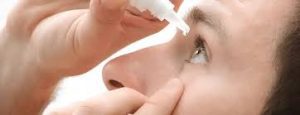
- Flush with preservative-free artificial tears. Use your prescribed lubricating eye drops generously. Blink gently to help the tears wash the irritant from the ocular surface. Do not use tap water to flush — it contains microorganisms and chlorine that can worsen irritation.
- Monitor symptoms. Mild stinging that resolves within a few minutes is usually harmless. If you notice persistent redness, blurred vision, pain, or light sensitivity, contact your eye care provider immediately.
Hair Products to Avoid During Recovery
For the first two weeks after LASIK, be selective about what goes on your hair. Products containing strong fragrances, alcohol, or essential oils (like tea tree shampoos) are more likely to irritate a healing eye if any residue migrates downward. Avoid volumising sprays, dry texture powders, and hairspray — the fine mist from aerosol cans can easily settle on the ocular surface.
Similarly, if you’re considering colouring your hair after LASIK, wait at least two weeks. Hair dye chemicals are significantly more aggressive than shampoo and can cause serious irritation if they come into contact with a recovering eye. If you plan to apply oil to your hair, keep it confined to the mid-lengths and away from the forehead.
When to Call Your Surgeon
Contact your eye care provider at Visual Aids Centre if you experience any of the following after shampoo or water exposure: sustained burning or pain that doesn’t improve within 10–15 minutes, sudden blurred vision, visible redness or swelling around the eye, discharge, or increased light sensitivity. These could signal a chemical irritation, early infection, or flap disturbance that requires prompt assessment. Don’t wait for your scheduled follow-up — early intervention is always better.
Conclusion
You can shampoo your hair as soon as two days after LASIK — the key is technique, not abstinence. Tilt your head back, keep your eyes shut, use a gentle shampoo, and avoid letting suds or water stream into your eyes. By the end of week two, you can return to your normal hair-care routine with confidence. A little patience with your shampoo schedule protects the clear vision your surgery just delivered. If you have specific questions about post-LASIK hygiene or want personalised recovery advice, book a consultation at Visual Aids Centre — our team is happy to walk you through every step of recovery.
Frequently Asked Questions (FAQs)
How many days after LASIK can I shampoo my hair?
You can carefully shampoo from day two onward. Tilt your head back, keep eyes closed, and avoid letting suds reach your eye area. Normal shampooing resumes after about two weeks.
Can I use dry shampoo after LASIK?
Yes, dry shampoo is a safe alternative on day one and two. Apply it to the mid-lengths and crown, keeping the spray nozzle well away from your face to avoid aerosol particles reaching your eyes.
What if soapy water gets in my eye after LASIK?
Do not rub your eye. Flush immediately with preservative-free artificial tears and blink gently. If stinging, blurred vision, or redness persists beyond 15 minutes, contact your surgeon.
Can I use conditioner on my hair after LASIK?
Yes, conditioner is fine from day two onward. Apply it to the lengths of your hair rather than the scalp line, and rinse with your head tilted back to keep run-off away from your face.
When can I take a normal shower after LASIK?
You can shower from day two, but avoid direct water pressure on your face for the first week. By week two, you can shower normally. For full bathing guidelines, see our post on showering after LASIK.
👁️ MEDICALLY REVIEWED BY
Padmashree Dr. Vipin Buckshey
Optometrist & Post-Operative Care Specialist | AIIMS Graduate, 1977 | Padma Shri Honouree
With more than four decades of clinical experience and over 250,000 laser vision correction procedures performed at Visual Aids Centre, Dr. Vipin Buckshey has refined every aspect of post-LASIK patient care — from surgical technique to the everyday recovery advice that prevents complications. An AIIMS alumnus, former President of the Indian Optometric Association, and official optometrist to the President of India, Dr. Buckshey personally reviews post-operative hygiene protocols at the centre to ensure patients receive guidance grounded in real-world outcomes, not generic instructions.