
Your LASIK surgery went well, recovery was smooth, and you enjoyed months — maybe over a year — of clear, glasses-free vision. Then, gradually or suddenly, things started looking a little blurry again. If this sounds familiar, you’re not alone, and you’re right to take it seriously. But blurry vision two years after LASIK doesn’t automatically mean something has gone wrong with the surgery itself.
In most cases, there’s a specific, identifiable, and treatable reason behind the change. This guide walks through the most likely causes — from refractive regression and chronic dry eye to early presbyopia and corneal surface changes — explains what your surgeon will look for during an evaluation, and covers the treatment options that can restore the clarity you expected from your procedure. Whether you had Femto LASIK, Contoura Vision, or another laser platform, the principles here apply.
Key Takeaways
- Blurry vision 2 years after LASIK is uncommon but not rare — it affects a small percentage of patients and almost always has a treatable cause.
- The most common reasons are refractive regression, chronic dry eye, and residual or new astigmatism.
- A thorough post-operative evaluation — not guesswork — is needed to identify the specific cause.
- Enhancement surgery, dry eye treatment, or updated glasses can usually restore clear vision.
Why Is Your Vision Blurry 2 Years After LASIK?
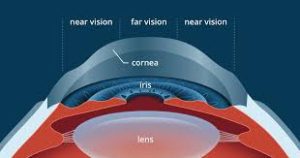
LASIK reshapes the cornea to correct your refractive error at the time of surgery. That correction is permanent in the sense that the tissue removed doesn’t grow back. However, your eyes are living, changing structures — and several things can shift over two years that affect visual clarity. Here are the most common culprits.
Refractive Regression
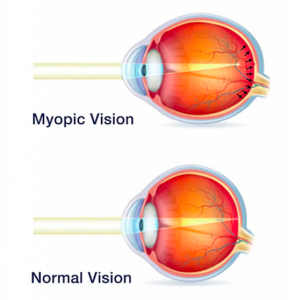
Regression is the gradual return of some prescription power after LASIK. It happens because the cornea undergoes a natural remodelling process, and in some patients — particularly those who had high prescriptions — the corneal shape settles slightly differently than intended. The result is typically a mild residual prescription (often −0.50 to −1.50 D) that makes distance vision noticeably less sharp. If you originally had a high minus number, understanding what causes regression helps put this in context.
Chronic Dry Eye
Dry eye is the single most common reason patients report blurry vision after LASIK — at any timepoint. LASIK temporarily disrupts corneal nerves that trigger tear production. For most people, this resolves within three to six months. But in a subset of patients, dry eye symptoms persist well beyond the first year, causing a fluctuating, film-like blur that worsens with screen use, air conditioning, or windy environments. The blur from dry eye often improves temporarily right after blinking or using lubricating drops — which is a useful diagnostic clue.
Residual or New Astigmatism
If astigmatism wasn’t fully corrected during the original procedure, or if mild astigmatism has developed since surgery, it can cause directional blur — things look stretched or shadowed rather than uniformly fuzzy. This is detectable on a standard refraction test and is usually correctable. For more on this, see our guide on whether astigmatism can return after LASIK.
Early Presbyopia
If you were in your late thirties or forties when you had LASIK, the blur you’re noticing two years later might not be a LASIK issue at all. Presbyopia — the natural, age-related loss of near focusing ability — progresses regardless of whether you’ve had laser surgery. LASIK corrected your distance vision, but presbyopia can make close-up work (reading, phone screens) progressively harder. Some patients interpret this as “LASIK wearing off,” when it’s actually a separate, age-related change. Learn more about options at correcting presbyopia after LASIK.
Other Less Common Causes
Occasionally, blurry vision at two years can signal something that needs closer attention: epithelial ingrowth (cells growing under the LASIK flap), early corneal ectasia, or even unrelated conditions like early cataracts or elevated eye pressure from prolonged steroid use. These are uncommon, but they underline why a proper evaluation is essential rather than simply assuming the blur is “normal.”
What to Do If Your Vision Has Changed
Step 1: Schedule a Post-LASIK Evaluation
Don’t wait, and don’t guess. Book an appointment with your LASIK surgeon or a qualified refractive specialist. The evaluation should include a detailed refraction (to check if a new prescription has developed), corneal topography (to detect irregular astigmatism or early ectasia), a tear film assessment (to quantify dry eye), and a dilated fundus exam to rule out retinal or lens issues.
Step 2: Address Dry Eye First
If dry eye is identified, treating it before considering any further surgical correction is critical. Dry eye distorts the tear film and artificially changes refraction readings — meaning any prescription measured while your eyes are dry may not reflect your true refractive error. Treatment typically starts with preservative-free lubricating eye drops, progresses to anti-inflammatory drops if needed, and may include lifestyle adjustments like the 20-20-20 screen rule and omega-3 supplementation.
Step 3: Get an Accurate Updated Refraction
Once dry eye is controlled, your surgeon can take a stable refraction measurement to determine whether regression, residual astigmatism, or another refractive shift has occurred. This measurement guides the decision on whether a touch-up procedure, glasses, or another intervention is appropriate.
Can Blurry Vision 2 Years After LASIK Be Fixed?
In the vast majority of cases, yes. The treatment depends on the cause.
LASIK Enhancement (Touch-Up)
If regression or residual refractive error is the issue, a LASIK enhancement — a second, smaller correction — is often the most effective solution. The original flap can usually be re-lifted (even years later) and a small amount of additional tissue reshaped. Enhancement eligibility depends on having enough residual corneal thickness; your surgeon will verify this with pachymetry before proceeding.
Dry Eye Management
For patients whose blur is primarily driven by tear film instability, aggressive dry eye treatment alone can dramatically improve visual quality without any further surgery. Options range from prescription anti-inflammatory drops and punctal plugs to LipiFlow thermal pulsation for meibomian gland dysfunction.
Glasses or Contact Lenses
If the residual prescription is very small (say −0.50 D) and doesn’t bother you for daily activities, a light pair of glasses for specific tasks — like night driving — may be all that’s needed. Some patients also do well with contact lenses after LASIK for occasional use.
Alternative Procedures
If the cornea is too thin for a safe enhancement, surface treatments like TransPRK or even an implantable collamer lens (ICL) can address residual prescriptions without further thinning the corneal flap area.
Should You Be Worried?
A change in vision two years after LASIK deserves attention, but in most cases it doesn’t signal a serious complication. The key warning signs that do warrant urgent evaluation are a sudden rather than gradual decline in vision, progressive distortion of straight lines (which may suggest ectasia), new floaters or flashes of light (which may indicate a retinal issue), or eye pain accompanied by sensitivity to light.
If your blur came on slowly, is relatively stable, and improves with blinking or drops, it’s far more likely to be a manageable issue like dry eye or mild regression. But the only way to know for certain is a thorough examination. Two years post-LASIK is not too late — and not too early — to address any residual visual concerns. If anything, it’s an ideal window because your eyes have fully stabilised, giving your surgeon the most accurate data to work with.
Conclusion
Blurry vision two years after LASIK is more common than many patients expect, but it’s rarely a sign that LASIK has “failed.” The usual causes — regression, dry eye, residual astigmatism, or early presbyopia — are well understood and highly treatable. The most important step is getting a proper evaluation to identify the specific cause, because the right treatment depends entirely on what’s driving the blur. Whether the solution is a simple change in eye drops, a quick enhancement procedure, or a pair of lightweight glasses for specific situations, clear vision is almost always recoverable. If your eyesight has changed since LASIK, book an evaluation and get the clarity you were promised.
Frequently Asked Questions (FAQs)
Is it normal for vision to change 2 years after LASIK?
It’s not the norm, but it’s not uncommon either. A small percentage of patients experience mild regression or other changes within the first two to three years. It’s usually treatable.
Can I get LASIK enhancement 2 years after my original surgery?
Yes. Two years is actually an ideal time for enhancement because your refraction has fully stabilised. Your surgeon will check that you have sufficient corneal thickness before proceeding.
Could dry eyes alone cause blurry vision this long after LASIK?
Absolutely. Chronic dry eye disrupts the tear film that sits on the corneal surface, causing fluctuating blur that can persist for years if untreated. It’s one of the most common causes of post-LASIK visual complaints.
Does blurry vision at 2 years mean my LASIK has worn off?
LASIK doesn’t “wear off” — the corneal tissue removed is permanently gone. However, the eye can change over time due to regression, presbyopia, or other conditions unrelated to the original surgery.
Will I need glasses again after LASIK?
Most patients don’t, but some may need light glasses for specific tasks like night driving or reading — especially as presbyopia develops with age. A small residual prescription doesn’t erase the benefits of LASIK.
How do I know if my blurry vision is serious?
Sudden vision loss, progressive distortion of straight lines, new floaters with flashes, or pain with light sensitivity are red flags that need urgent evaluation. Gradual, mild blur is more likely benign but still deserves a check-up.
👁️ MEDICALLY REVIEWED BY
Padmashree Dr. Vipin Buckshey
Optometrist & Refractive Surgery Specialist | AIIMS Graduate, 1977 | Padma Shri Honouree
With more than four decades of clinical experience and over 250,000 laser vision correction procedures performed at Visual Aids Centre, Dr. Vipin Buckshey routinely evaluates patients with post-LASIK visual concerns — including late regression, chronic dry eye, and corneal irregularities. An AIIMS alumnus, former President of the Indian Optometric Association, and official optometrist to the President of India, Dr. Buckshey ensures every returning patient receives a diagnostic workup that identifies the true cause before any intervention is recommended. Learn more about our story and the team behind Visual Aids Centre.