Your LASIK is done, you are home, and your eyes feel watery, gritty, or slightly sticky—the instinct is to wipe them clean. But how you clean your eyes in the first days and weeks after surgery directly affects how well your corneal flap heals and whether you avoid infection entirely.
After LASIK, the cornea has a healing flap (or, in flapless procedures like SMILE Pro, a small incision) that is vulnerable to bacteria, debris, and mechanical disruption. Tap water, soap residue, even the pressure of a washcloth can introduce contaminants or shift the flap before it has fully adhered. This guide gives you a clear day-by-day cleaning protocol—what to use, what to avoid, and exactly how to handle the crusty, sticky eyelids that are a perfectly normal part of recovery.
Key Takeaways
- Do not splash water directly on or near your eyes for the first 48 hours; use a damp lint-free cloth for the outer lid area only.
- Clean sticky eyelashes with a cotton bud dipped in cooled boiled water, wiping away from the eye—never towards it.
- Preservative-free artificial tears are the safest way to flush mild irritants from the tear film in the first two weeks.
- Tap water, soap, face wash, and micellar water should not contact the eye area until your surgeon clears you (usually 7–14 days).
Why Eye Cleaning Needs Special Care After LASIK
During LASIK, a thin corneal flap is created, lifted, and repositioned after the excimer laser reshapes the underlying stroma. In the first hours, that flap is held in place primarily by natural suction and the surface epithelium is beginning to reseal. Any foreign substance—water, soap, facial cleanser, even sweat—that reaches the flap edge can introduce bacteria directly into a layer of the cornea that would normally be sealed off from the outside world.
This is why the cleaning rules after LASIK are stricter than after most outpatient procedures. You are not just keeping the area “fresh”—you are actively protecting an open wound from contamination while it closes. Understanding this distinction helps the rest of the instructions make sense: every rule below exists to keep contaminants out while allowing your eyes to heal on their own schedule.
Day-by-Day Cleaning Timeline
Day 0 (Surgery Day): Hands Off
When you arrive home, your eyes may water heavily, feel scratchy, or sting slightly—all normal. Do not touch, wipe, or clean your eyes at all. Administer your prescribed antibiotic and steroid drops as instructed, then rest with your protective eye shields in place. If tearing is excessive, let the tears run down your cheeks or gently dab below the cheekbone with a clean tissue—never at the eye itself.
Days 1–3: Gentle Outer Lid Cleaning Only
By day one, dried tears and drop residue may form a light crust along the lash line. To clean this, dampen a lint-free cloth or sterile gauze pad with cooled boiled water (not tap water) and gently wipe the outer eyelid from the inner corner outward. Do not press on the eyelid or let the cloth touch the lash roots. You can shower from the neck down, but keep your face away from the water stream entirely. For more detailed showering guidance, see when you can shower after LASIK.
Days 4–7: Lash Line Cleaning with Cotton Buds
Crusty lashes are common by mid-week as antibiotic drops dry along the lash margin. Dip a fresh cotton bud in cooled boiled water and gently brush along the lashes, sweeping outward and downward—away from the eye. Use a new bud for each pass. Our detailed guide on cleaning eyelashes after LASIK covers this technique in depth. You may also begin careful face washing below the orbital rim using a damp cloth, but no soap, cleanser, or running water near the eyes yet.
Week 2 and Beyond: Gradual Return to Normal
Most surgeons clear patients for gentle face washing with a mild, fragrance-free cleanser around the 10–14 day mark. At this point, you can let lukewarm water run over your closed eyes briefly during a shower—but avoid direct, forceful water pressure. Full return to your normal facial cleansing routine, including face wash and micellar water, typically happens by week three to four, depending on your healing progress.
How to Clean Eyelids and Lash Crusts Safely
Sticky, crusty eyelids are the single most common hygiene concern patients bring up during their first follow-up visit. The crust is a mix of dried tear film, antibiotic drop residue, and natural epithelial debris—it looks unpleasant but is a sign of active healing, not infection.
To remove it safely, always wash your hands first with antibacterial soap and dry them with a lint-free towel. Prepare a small bowl of cooled boiled water (boiling kills tap water pathogens; cooling prevents thermal injury). Dip a sterile cotton bud or lint-free pad, close the eye, and wipe from inner corner outward in a single stroke. Discard and use a fresh bud for each wipe. Never re-dip a used bud into the water. For heavier crusting around the lash base, our guide on removing eye crust after LASIK provides step-by-step instructions. Above all, do not pick, scratch, or pull at dried material—this can tug lashes toward the healing flap and introduce bacteria.
Using Prescribed Eye Drops Correctly
Your surgeon will prescribe two to three types of eye drops after LASIK: an antibiotic (to prevent infection), an anti-inflammatory steroid (to control healing-related swelling), and preservative-free lubricating drops. These prescribed drops are your primary line of defence during recovery, and using them correctly is just as important as cleaning your lids.
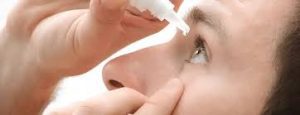
Before instilling any drop, wash your hands thoroughly. Tilt your head back, pull down the lower lid gently to form a small pocket, and let the drop fall into that pocket without touching the dropper tip to your eye or lashes. Wait at least five minutes between different drop types so each medication is absorbed properly. If you miss a dose, take it as soon as you remember—do not double up.
Artificial Tears: Your Best Cleaning Tool
Preservative-free artificial tears serve a dual purpose after LASIK: they lubricate a dry ocular surface and gently flush away microscopic debris, dust, or dried mucus from the tear film. In the first two weeks, these drops are the safest way to “clean” the eye itself—far safer than water, saline, or any commercial eye wash.
Use them liberally—every one to two hours during waking hours in the first week, then as needed. If a small particle or eyelash fragment falls into your eye, resist the urge to rub your eyes. Instead, instil two to three drops of preservative-free lubricating drops, blink several times, and let the tears flush the irritant naturally. If discomfort persists after flushing, contact your surgeon rather than attempting manual removal.
Products and Habits to Avoid
In the first two weeks, keep the following away from your eyes entirely: tap water (contains microorganisms including Acanthamoeba, which can cause serious corneal infections), soap, shampoo, and face wash (surfactants irritate the healing epithelium), micellar water and makeup removers (even gentle formulas contain preservatives), cotton balls (shed fibres that lodge in the lash line), and any product labelled “eye wash” that contains preservatives. Swimming pools, hot tubs, and natural water bodies are strictly off-limits for at least four weeks—chlorine and biofilm bacteria pose significant infection risks. For timing details, check when hot tubs are safe and when you can swim after LASIK.
Equally important is avoiding the habit of touching your eyes. Even clean fingers can transfer bacteria from the skin surface into the healing zone. If you have a tendency to rub your eyes while sleeping, your >protective goggles or eye shields should be worn at night for the full period your surgeon recommends.
When Can You Wash Your Face Normally?
Most patients can resume a normal face-washing routine by the end of week two, though your surgeon may adjust this timeline based on your healing. When you do restart, use a mild, fragrance-free cleanser applied with your fingertips—not a washcloth or cleansing brush. Splash lukewarm water gently over your closed eyes; avoid directing a stream of water forcefully at the face. Pat the area dry with a clean, lint-free towel rather than rubbing. If you wear eye makeup, wait until your surgeon clears you (typically 7–10 days for light cosmetics, 4 weeks for waterproof products) and follow our guide on safely removing eye makeup after LASIK.
Warning Signs That Need Immediate Attention
While cleaning your eyes during recovery, watch for these symptoms that warrant an urgent call to your surgeon: increasing redness that does not improve after lubricating drops, yellow or green discharge (a possible sign of bacterial infection), sudden blurred vision or worsening visual quality, pain that intensifies rather than gradually improving, and extreme sensitivity to light. These could indicate early infection, inflammation, or a flap complication that requires prompt treatment. Do not wait for your next scheduled follow-up—same-day evaluation protects your long-term visual outcome.
Conclusion
Cleaning your eyes after LASIK is less about scrubbing and more about protecting a healing cornea from contamination. In the first 48 hours, keep everything away from the eye. From day one through week one, use only cooled boiled water on lint-free materials for the outer lid area. Let preservative-free artificial tears do the internal cleaning—they flush irritants safely without mechanical pressure. By week two to three, you can gradually return to your normal hygiene routine. A few weeks of careful, gentle care protects years of clear vision. If you are preparing for LASIK and want a personalised recovery plan that includes cleaning protocols, drop schedules, and follow-up timing, book a consultation at Visual Aids Centre.
Frequently Asked Questions (FAQs)
Can I use tap water to clean my eyes after LASIK?
No. Tap water can contain microorganisms like Acanthamoeba that may cause severe corneal infection. Use cooled boiled water on a lint-free cloth for the outer lid area, and preservative-free artificial tears for the eye itself.
How do I remove crusty eyelashes after LASIK?
Dip a sterile cotton bud in cooled boiled water and gently brush along the lashes from inner corner outward. Use a fresh bud for each pass. Never pick or pull at dried crusts.
When can I wash my face normally after LASIK?
Most surgeons clear patients for gentle face washing with a mild cleanser around 10–14 days post-surgery. Avoid directing water forcefully at your eyes, and pat dry with a lint-free towel.
Can I use baby wipes to clean around my eyes after LASIK?
No. Baby wipes contain preservatives, fragrances, and surfactants that can irritate a healing cornea. Stick to cooled boiled water on lint-free gauze or sterile cotton buds.
What if something gets in my eye during recovery?
Do not rub. Instil two to three drops of preservative-free artificial tears, blink several times, and let the tears flush the particle naturally. If discomfort persists, contact your surgeon immediately.
👁️ MEDICALLY REVIEWED BY
Padmashree Dr. Vipin Buckshey
Optometrist & Post-Operative Care Specialist | AIIMS Graduate, 1977 | Padma Shri Honouree
With over four decades of clinical experience and more than 250,000 laser vision correction procedures performed at Visual Aids Centre, Dr. Vipin Buckshey has refined every aspect of post-LASIK patient care—from surgical technique to the day-by-day hygiene protocols that prevent complications. An AIIMS alumnus, former President of the Indian Optometric Association, and official optometrist to the President of India, Dr. Buckshey personally reviews post-operative care instructions at the centre to ensure patients receive guidance grounded in real-world outcomes.