The short answer is no — Medicaid does not typically cover LASIK surgery. Because LASIK is classified as an elective or cosmetic procedure rather than a medically necessary one, most government and private insurance programmes exclude it from coverage. But “typically” is not “never,” and understanding the reasoning behind the exclusion — along with the exceptions and alternative financing routes — can save you both frustration and money.
This guide explains why Medicaid treats LASIK differently from other eye surgeries, outlines the rare circumstances where partial coverage may apply, lists the eye procedures Medicaid does cover, and walks you through practical ways to make LASIK affordable even without insurance. If you are exploring whether vision correction is worth the out-of-pocket investment, breaks down the long-term financial comparison with glasses and contacts.
Key Takeaways
- Medicaid classifies LASIK as elective because myopia, hyperopia, and astigmatism can be managed with glasses or contact lenses.
- Rare exceptions exist when a doctor can document that LASIK is medically necessary — for example, if a patient cannot tolerate corrective lenses due to a medical condition.
- Medicaid does cover medically necessary eye surgeries such as cataract removal, glaucoma procedures, and retinal detachment repair.
- Patients without insurance coverage can access LASIK through payment plans, flexible spending accounts, or affordable pricing at specialised centres like Visual Aids Centre.
Why Medicaid Does Not Cover LASIK
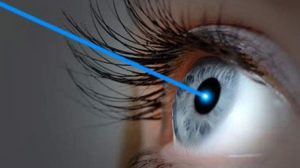
Medicaid — like most health insurance programmes globally — draws a clear line between medically necessary procedures and elective ones. A procedure is considered medically necessary when it treats a condition that threatens your health, impairs essential functioning, or cannot be managed through less invasive means. LASIK reshapes the cornea to correct refractive errors like nearsightedness, farsightedness, and astigmatism. While these conditions certainly affect quality of life, they can be effectively managed with eyeglasses or contact lenses — and that is the core reason insurers classify LASIK as elective.
The classification is not a judgement on LASIK’s safety or effectiveness. It is a coverage boundary: Medicaid covers what is medically required, not what improves convenience or lifestyle. This same logic applies to procedures like cosmetic rhinoplasty or teeth whitening — effective treatments, but not ones insurance is designed to fund. Understanding this distinction helps you approach the conversation with your insurance provider or Medicaid office from a realistic starting point rather than feeling blindsided by a denial.
Are There Any Exceptions?
Exceptions are rare, but they do exist. Medicaid may consider partial or full coverage for LASIK or similar refractive procedures in cases where a physician can document medical necessity beyond standard refractive error. Situations that might qualify include severe contact lens intolerance due to conditions like meibomian gland dysfunction or chronic allergic conjunctivitis, where the patient genuinely cannot use corrective lenses safely; occupational requirements where uncorrected vision and inability to wear lenses would disqualify the patient from employment essential to their livelihood; or significant anisometropia (a large difference in prescription between the two eyes) where glasses cause intolerable image-size disparity and contact lenses are contraindicated.
If you believe your situation falls into one of these categories, the process typically involves scheduling a comprehensive eye examination, obtaining a detailed letter from your ophthalmologist explaining why LASIK is medically necessary in your specific case, submitting the documentation to your local Medicaid office for review, and following up proactively — these requests are not automatically processed and often require persistence. Keep in mind that coverage decisions vary by state and region, so the outcome depends heavily on your local Medicaid programme’s policies. Your surgeon’s office can often help navigate this process. To understand the full scope of pre-operative evaluations that support a medical necessity argument, speak with your eye care provider.
Eye Surgeries That Medicaid Does Cover
While LASIK falls outside the coverage boundary, Medicaid does fund several eye surgeries that are classified as medically necessary. Cataract surgery is the most common — it replaces a clouded natural lens with a clear artificial one and is covered because untreated cataracts lead to progressive, irreversible vision loss. Glaucoma surgery, which reduces intraocular pressure to prevent optic nerve damage, is also typically covered, as are procedures for diabetic retinopathy — a complication of diabetes that can cause blindness if left untreated.
Retinal detachment repair is another covered procedure, since a detached retina is a medical emergency requiring immediate surgical intervention. Corneal transplants, strabismus surgery (particularly in children where misalignment impairs visual development), and eyelid surgery for ptosis that obstructs the visual axis are also generally within Medicaid’s coverage scope. The common thread is that these conditions either threaten sight or cannot be managed by non-surgical means. If you are unsure whether your specific eye condition qualifies for coverage, your ophthalmologist can help determine the classification.
How to Finance LASIK Without Insurance
Payment Plans Through Your Surgeon’s Office
Many LASIK centres — including Visual Aids Centre — offer structured payment plans that allow you to spread the cost over several months. These plans often come with zero or low interest, making the procedure accessible without a large upfront payment. Ask about EMI (equated monthly instalment) options during your consultation.
Health Savings and Flexible Spending Accounts
If your employer offers a Health Savings Account (HSA) or Flexible Spending Account (FSA), LASIK is typically an eligible expense. Contributing pre-tax dollars to these accounts effectively reduces the net cost of the procedure. Planning your surgery early in the year allows you to set aside funds during open enrolment. For a deeper look at tax advantages, our article on LASIK as a business expense covers additional deduction possibilities.
Comparing Procedure Costs
Not all LASIK procedures cost the same. Standard LASIK, Femto LASIK, Contoura Vision, and SMILE Pro each have different price points based on the technology involved. Understanding the types of vision correction procedures available helps you match your clinical needs with your budget — you may not need the most expensive option to achieve excellent results.
Long-Term Cost Perspective
The average person spends a significant amount on glasses, contact lenses, solutions, and eye exams over a lifetime. When you calculate that cumulative cost, LASIK often pays for itself within five to seven years. This long-term value is worth factoring into your decision, even when insurance does not contribute to the upfront cost.
LASIK Insurance and Affordability in India
For patients in India, the insurance landscape is slightly different but follows a similar principle. Most Indian health insurance policies — including those from Star Health, HDFC Ergo, and government schemes like CGHS and ESIC — classify LASIK as an elective procedure and exclude it from standard coverage. However, some employer group policies and government employee health schemes do offer partial reimbursement. Our articles on Star Health and CGHS coverage explain the specific eligibility criteria and claim processes for Indian patients.
The good news is that LASIK in India is significantly more affordable than in Western countries — often by 60–80% — without any compromise in technology or outcomes. Visual Aids Centre in Delhi operates the same laser platforms used at top clinics worldwide, including the Zeiss VisuMax 800 for SMILE Pro and the WaveLight EX500 for Contoura Vision, making world-class vision correction accessible at a fraction of the international price.
Conclusion
Medicaid does not cover LASIK in the vast majority of cases because it is classified as an elective procedure. The conditions LASIK treats — myopia, hyperopia, and astigmatism — can be managed with glasses or contacts, which places refractive surgery outside the medical necessity threshold. Exceptions exist but are rare and require strong medical documentation. If you are paying out of pocket, payment plans, HSA/FSA accounts, and the inherently affordable pricing at specialised centres in Delhi make LASIK financially realistic for most patients. To explore your options and get a transparent cost estimate, contact Visual Aids Centre directly.
Frequently Asked Questions (FAQs)
Does any insurance cover LASIK surgery?
Most standard health insurance policies — including Medicaid, Medicare, and most private plans — do not cover LASIK. Some employer-sponsored vision plans or group policies offer partial discounts or reimbursements, but full coverage is rare.
Can I use my HSA or FSA to pay for LASIK?
Yes. LASIK is an eligible expense under most Health Savings Accounts and Flexible Spending Accounts. Using pre-tax dollars reduces the effective cost of the procedure.
Why is LASIK considered elective if vision problems affect daily life?
Insurance programmes define “medically necessary” based on whether alternative treatments exist. Since glasses and contacts effectively correct refractive errors, LASIK is classified as a convenience rather than a medical requirement.
What eye surgeries does Medicaid actually cover?
Medicaid typically covers cataract surgery, glaucoma procedures, retinal detachment repair, diabetic retinopathy treatment, corneal transplants, strabismus surgery in children, and eyelid surgery when ptosis impairs vision.
Is LASIK more affordable in India than in the US?
Yes, significantly. LASIK in India typically costs 60–80% less than in the United States while using the same laser platforms and achieving comparable outcomes. Delhi, in particular, has multiple world-class refractive surgery centres.
👁️ MEDICALLY REVIEWED BY
Padmashree Dr. Vipin Buckshey
Optometrist & Patient Accessibility Advocate | AIIMS Graduate, 1977 | Padma Shri Honouree
With more than four decades of clinical experience and over 250,000 laser vision correction procedures performed at Visual Aids Centre, Dr. Vipin Buckshey has helped thousands of patients navigate insurance complexities and financing options to access affordable vision correction. An AIIMS alumnus, former President of the Indian Optometric Association, and official optometrist to the President of India, Dr. Buckshey is committed to making advanced refractive surgery accessible regardless of insurance status. Learn about our mission.