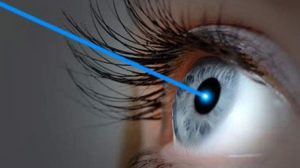

YES, most people can wear coloured contact lenses after LASIK, but only after the cornea has fully healed and only with the right kind of lenses. Timing, lens quality, and proper hygiene all matter significantly more after refractive surgery than they did before. This guide covers when it’s safe to start, what to look for in a lens, what risks to be aware of, and why a professional fitting still matters—even for plano (non-prescription) cosmetic lenses.
Key Takeaways
- You can wear coloured contacts after LASIK—but not until your cornea has fully healed (typically 3–6 months post-surgery).
- Always get a professional lens fitting, even for non-prescription cosmetic lenses, since LASIK changes your corneal curvature.
- Avoid cheap, unregulated costume lenses—they pose serious infection and abrasion risks on a post-LASIK cornea.
- Prioritise high-oxygen-permeability lenses to protect your corneal health long-term.
Why You Need to Wait Before Wearing Contacts After LASIK
During LASIK eye surgery, a thin flap is created in the cornea, lifted, and repositioned after laser reshaping. Even though healing begins within hours, the corneal surface needs weeks to months to fully stabilise. Placing any contact lens—coloured or clear—on an eye that’s still recovering introduces several risks: mechanical irritation to the healing corneal flap, disrupted tear film, reduced oxygen supply to a cornea that’s already under stress, and increased infection risk.
Your tear production also fluctuates after LASIK. Many patients experience temporary post-surgical dryness, and contact lenses—especially lower-quality ones—can aggravate this considerably. Wearing lenses too soon isn’t just uncomfortable; it can genuinely compromise your surgical outcome.
When Is It Safe to Wear Coloured Lenses?
The General Timeline
Most ophthalmologists recommend waiting at least three to six months after LASIK before wearing any contact lens, including coloured ones. This gives the corneal flap time to integrate fully, the tear film time to recover, and your refraction time to stabilise. Your surgeon will confirm readiness at a follow-up appointment—don’t self-assess on this.
Factors That May Extend the Wait
If you experienced significant post-operative dryness, had a higher prescription corrected, or underwent an enhancement procedure, your surgeon may advise waiting longer. Patients who had Contoura Vision or Femto LASIK typically follow similar timelines, though individual healing varies. Those who opted for flapless procedures like SMILE Pro may heal slightly faster since there’s no flap involved, but the conservative recommendation still applies.
How LASIK Changes Your Cornea (and Why It Affects Lens Fit)
Here’s something many patients don’t realise: LASIK changes the shape of your cornea. That’s literally how it corrects your vision—by flattening or steepening the corneal curvature. This means the contact lenses you wore before surgery almost certainly won’t fit the same way afterward.
A lens that doesn’t match your new corneal biomechanics can sit too tightly (restricting oxygen flow and causing redness) or too loosely (moving excessively, causing irritation and blurred vision). This is true for all post-LASIK contact lenses, but it’s particularly important for coloured lenses since many off-the-shelf cosmetic options come in limited base curve and diameter options.
A professional lens fitting accounts for your post-surgical corneal topography, tear quality, and the specific curvature changes LASIK produced. It’s a quick appointment that prevents weeks of discomfort and potential complications.
Choosing the Right Coloured Contact Lenses After LASIK
Prescription vs. Plano (Non-Prescription) Lenses
Since LASIK has corrected your refractive error, you’ll typically need plano coloured lenses—meaning zero prescription power. However, “plano” doesn’t mean “one-size-fits-all.” You still need the correct base curve and diameter for your reshaped cornea. Even cosmetic lenses are medical devices that sit directly on a surgically altered eye.
What to Look for in a Lens
Prioritise lenses with high oxygen permeability (Dk/t value). Silicone hydrogel materials are the current gold standard, allowing significantly more oxygen to reach the cornea compared to traditional hydrogel lenses. After LASIK, your cornea is slightly thinner than before—maintaining adequate oxygenation is more important than ever.
Choose FDA-approved or CE-marked lenses from reputable manufacturers. Avoid costume lenses sold at novelty shops, online marketplaces without verification, or beauty stores—these are frequently unregulated, made from inferior materials, and associated with a high rate of corneal infections and abrasions. For someone with a post-LASIK cornea, the stakes of wearing a substandard lens are higher than for the general population.
Daily Disposables vs. Monthly Lenses
Daily disposable coloured lenses are generally the safest option for post-LASIK patients. Each lens is fresh, sterile, and discarded after a single use—eliminating the risks associated with cleaning solutions, storage case contamination, and protein buildup. If daily disposables aren’t available in your preferred colour, monthly lenses with diligent hygiene practices are an acceptable alternative.
Risks of Wearing Coloured Contacts on a Post-LASIK Cornea
Understanding the risks doesn’t mean avoiding coloured lenses entirely—it means wearing them responsibly. The main concerns include:
Dry eye aggravation. Contact lenses reduce tear film stability. If you’re already managing post-LASIK dryness, lenses can intensify symptoms. Using preservative-free lubricating drops before and during wear helps considerably.
Corneal oxygen deprivation. Coloured lenses have pigment layers that reduce oxygen transmission more than clear lenses. This is why material quality matters—a high-Dk silicone hydrogel coloured lens compensates for the pigment layer far better than a cheap hydrogel alternative.
Infection risk. Any contact lens increases infection risk, but the post-LASIK cornea deserves extra caution. The signs of corneal infection—redness, pain, discharge, light sensitivity—should prompt immediate removal of the lens and a call to your eye care provider.
Flap irritation. In rare cases, poorly fitted or rigid-edged lenses can mechanically irritate the healed flap margin. A proper fitting eliminates this risk almost entirely.
Tips for Safe Wear
If your surgeon has cleared you for coloured contacts, following these practices protects both your cornea and your LASIK results:
- Get a professional fitting first. Even for plano cosmetic lenses, have your ophthalmologist or optometrist measure your post-LASIK corneal curvature and recommend specific lens parameters.
- Start with short wear times. Begin with 4–6 hours and gradually increase as your eyes adjust. If you experience redness, dryness, or discomfort, remove them immediately.
- Never sleep in coloured contacts. Overnight wear dramatically increases infection and oxygen deprivation risk. Remove them every evening without exception.
- Use preservative-free artificial tears. Apply lubricating drops before inserting the lens and as needed throughout the day.
- Wash hands thoroughly before handling. Clean hands with soap, dry with a lint-free towel, and never handle lenses with wet or dirty fingers.
- Replace lenses on schedule. Don’t stretch daily lenses into multi-day use. Follow the manufacturer’s recommended replacement cycle exactly.
- Attend regular check-ups. Even if everything feels fine, periodic eye examinations ensure your cornea remains healthy under lens wear.
Conclusion
Coloured contact lenses and LASIK aren’t mutually exclusive—but they do require more care than they did before surgery. Wait until your surgeon confirms full healing, invest in a proper fitting, choose high-quality lenses from regulated manufacturers, and practise impeccable hygiene. With those steps in place, there’s no reason you can’t enjoy coloured contacts safely after LASIK. If you’re unsure whether your eyes are ready or need help selecting the right lens, book a consultation at Visual Aids Centre and our team will guide you through every step.
Frequently Asked Questions (FAQs)
How long after LASIK can I wear coloured contact lenses?
Most surgeons recommend waiting at least three to six months. Your ophthalmologist will confirm readiness based on your individual healing progress at a follow-up appointment.
Do I need a prescription for coloured contacts after LASIK?
You won’t need vision correction power (plano lenses), but you still need a professional fitting to determine the correct base curve and diameter for your reshaped cornea. In many regions, even cosmetic lenses legally require an eye care professional’s involvement.
Can cheap coloured contacts damage my eyes after LASIK?
Yes. Unregulated costume lenses are made from inferior materials with poor oxygen permeability and inconsistent sizing. On a post-LASIK cornea, they carry a significantly higher risk of infection, abrasion, and oxygen deprivation.
Will coloured contacts affect my LASIK results?
Properly fitted, high-quality coloured lenses will not alter your LASIK correction. They sit on the corneal surface and don’t change the underlying laser-reshaped tissue. However, poorly fitted lenses can cause complications that indirectly affect comfort and clarity.
Can I wear coloured contacts every day after LASIK?
Daily wear is possible if your eyes tolerate it well and you use high-oxygen-permeability lenses. Start gradually, monitor for dryness or irritation, and take lens-free rest days to give your cornea a break.
👁️ MEDICALLY REVIEWED BY
Padmashree Dr. Vipin Buckshey
Optometrist & Post-Operative Care Specialist | AIIMS Graduate, 1977 | Padma Shri Honouree
With more than four decades of clinical experience and over 250,000 laser vision correction procedures performed at Visual Aids Centre, Dr. Vipin Buckshey oversees every aspect of post-LASIK patient care—including advising patients on safe contact lens use after surgery. As a specialist in both refractive surgery and contact lens fitting, Dr. Buckshey brings a unique dual perspective to this topic: he understands both the surgical cornea and the optical demands of cosmetic lens wear. An AIIMS alumnus, former President of the Indian Optometric Association, and official optometrist to the President of India, his guidance is grounded in clinical outcomes, not generalisations.