
LASIK gives you sharp vision — but for the first few weeks your corneas are healing, your tear film is rebuilding, and your eyes are more vulnerable to UV damage, wind, and glare than they’ve ever been. The sunglasses you reach for during this window aren’t a fashion choice; they’re a clinical recovery tool. The right pair accelerates healing and comfort. The wrong pair — or no pair — can leave you squinting, dry, and light-sensitive far longer than necessary.
This guide covers exactly what to look for in post-LASIK sunglasses, when to wear them, and how long the precaution lasts. If you’re still wondering whether you need to avoid the sun entirely after LASIK, the short answer is no — but you do need the right protection on your face whenever you step outside.
Key Takeaways
- Wear sunglasses with 100% UVA + UVB protection every time you go outdoors for at least the first 3–6 months after LASIK.
- Wraparound or close-fitting frames shield healing corneas from wind, dust, and peripheral glare far better than flat-front styles.
- Polarised lenses are strongly recommended — they cut reflected glare that standard tints cannot filter.
- You don’t need designer frames. Any optically clear, UV-rated, close-fitting pair does the job.
Why Sunglasses Are Essential After LASIK
Your Cornea Is Temporarily Vulnerable to UV
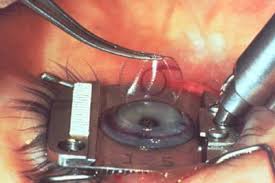
During LASIK, the excimer laser reshapes your corneal stroma under a thin flap. While the flap repositions within hours, the underlying tissue takes weeks to fully stabilise. During this period, direct UV exposure can trigger inflammation, slow epithelial healing, and increase the risk of corneal haze — a faint cloudiness that can temporarily reduce visual clarity. Sunglasses with full-spectrum UV blocking act as a physical shield while your cornea’s natural UV-filtering ability recovers.
Light Sensitivity Is Normal — But Manageable
Most LASIK patients experience some degree of photophobia (light sensitivity) in the first one to four weeks. Bright sunlight, oncoming headlights, and overhead fluorescents can all feel uncomfortably intense. This happens because the corneal nerves severed during flap creation take time to regenerate, temporarily altering the eye’s pain and light-response thresholds. Quality sunglasses reduce the photon load reaching your retina, making the transition far more comfortable.
Wind and Dust Protection
Post-LASIK dryness is the most common short-term side effect. Wind accelerates tear evaporation, and airborne particles can irritate a healing corneal surface. A well-fitted pair of sunglasses doubles as a physical barrier — especially wraparound styles that block airflow from the sides and bottom. This is particularly important in Delhi’s climate, where dust, pollution, and dry winter air can aggravate post-operative dryness significantly.
Key Features to Look for in Post-LASIK Sunglasses
100% UVA and UVB Protection — Non-Negotiable
This is the single most important specification. Look for a label that reads “100% UV protection” or “UV400” — both mean the lenses block all ultraviolet wavelengths up to 400 nanometres. A dark tint without UV coating is actually worse than no sunglasses at all: the dark lens dilates your pupil, allowing more unfiltered UV to reach the cornea and retina.
Polarised Lenses — Strongly Recommended
Polarisation eliminates horizontal glare reflected off flat surfaces — roads, car bonnets, water, building facades. This reflected glare is particularly bothersome after LASIK because healing corneas scatter light slightly more than usual, amplifying the discomfort. Our detailed comparison of polarised vs non-polarised lenses after LASIK explains the optical differences, but the short version is: polarised lenses make a noticeable comfort difference during the recovery window.
Wraparound or Close-Fitting Frame
Flat-front aviators and wayfarers look great, but they leave gaps at the temples and below the brow where wind, dust, and peripheral light enter freely. A wraparound or curved frame that sits close to the face offers dramatically better protection. Many clinics — including Visual Aids Centre — provide recovery goggles for the first 24–48 hours; the sunglasses you choose afterward should continue that same close-fitting principle.
Neutral Tint Colour
Grey and brown/amber tints are the safest all-purpose choices. Grey provides true colour perception without altering the colour spectrum — ideal for driving. Brown enhances contrast slightly, which can help if you’re noticing reduced contrast in low-light conditions during early recovery. Yellow and rose tints are best reserved for specific activities like overcast-day cycling, not for general post-LASIK wear.
Anti-Reflective Back Coating
An AR coating on the inside surface of the lens prevents light from bouncing off the back of the lens into your eye — a common source of ghost images and distracting reflections that patients sometimes mistake for a surgical side effect. If you’re already working on reducing post-LASIK glare, adding a back-surface AR coating to your sunglasses is one of the simplest upgrades you can make.
When — and How Long — to Wear Them
First Week: Every Time You’re Outdoors
Sunglasses should go on before you step outside — even on cloudy days, since up to 80% of UV radiation penetrates cloud cover. Many patients also benefit from wearing lightly tinted glasses indoors during the first few days if overhead lighting feels harsh. This isn’t a permanent need — it simply bridges the gap while photophobia is at its peak.
Weeks 2–12: Outdoors and in Bright Environments
By the second week, indoor light sensitivity typically fades. But your cornea is still healing and UV vulnerability persists. Continue wearing sunglasses for all outdoor activity — commuting, walking, sports, driving. The majority of patients find they can comfortably stop wearing dark protective glasses by the end of the third month, though your surgeon will confirm the timeline based on your individual healing.
Long-Term: A Healthy Habit, Not a Medical Requirement
After six months, your cornea has largely recovered its UV-filtering capacity, and wearing sunglasses becomes a general eye-health recommendation rather than a post-surgical requirement. That said, if you notice persistent light sensitivity beyond the typical recovery window, discuss it with your surgeon — it may indicate residual dryness or an aberration that benefits from targeted treatment.
Choosing the Right Pair for Your Lifestyle
Driving
Prioritise polarised, grey-tint lenses with an anti-reflective back coating. This combination cuts road glare while preserving true colour recognition for traffic signals and brake lights. If oncoming headlights still bother you after dark, our guide on improving night vision after LASIK covers additional strategies beyond sunglasses.
Outdoor Sports and Running
Choose lightweight wraparound frames with rubber grips at the temples and nose bridge. Polycarbonate or Trivex lenses offer impact resistance alongside UV protection — important for cricket, cycling, or any activity where a ball, branch, or flying debris could strike the lens.
Desk Workers Stepping Out Briefly
You don’t need high-end sports eyewear for a lunchtime walk. A well-fitted pair of UV400 wraparound sunglasses from any reputable optical shop provides everything your healing corneas need. Spend on UV quality and frame fit, not on brand names.
Delhi Commuters (Metro, Auto, Walking)
Dust, exhaust particulates, and intense summer sun make close-fitting frames especially valuable. If you take autos or ride a two-wheeler, a sealed-edge frame with a nose bridge that minimises gaps will keep your eyes noticeably more comfortable than an open-front style.
Common Mistakes to Avoid
Buying Dark Lenses Without Checking UV Rating
A dark tint is not the same as UV protection. Unrated dark lenses dilate your pupils and actually increase UV exposure. Always verify the UV400 or “100% UV” label before purchasing.
Using Prescription Glasses as a Substitute
Clear prescription lenses — even those with a UV coating — don’t reduce visible glare or brightness. If you still have a mild residual prescription and experience persistent glare symptoms, prescription sunglasses with a polarised tint address both issues simultaneously.
Skipping Sunglasses on Overcast Days
UV radiation doesn’t disappear behind clouds. Overcast skies scatter UV light broadly, meaning your cornea receives meaningful exposure even when the sun isn’t visible. Keep sunglasses on for any extended outdoor time during the recovery period regardless of cloud cover.
Conclusion
The best sunglasses after LASIK aren’t defined by brand or price — they’re defined by three things: 100% UV protection, polarised lenses, and a close-fitting frame that blocks wind and peripheral light. Wear them consistently for the first three to six months, then continue as a lifelong eye-health habit. Your newly reshaped cornea healed under controlled conditions; good sunglasses keep those conditions going every time you step into daylight. If you have questions about your specific recovery or need a personalised recommendation, book a consultation at Visual Aids Centre — our team can assess your healing progress and advise on the right protection for your eyes.
Frequently Asked Questions (FAQs)
How long do I need to wear sunglasses after LASIK?
Wear UV-protective sunglasses outdoors for at least 3–6 months after LASIK. After that, sunglasses become a general eye-health recommendation rather than a strict post-operative requirement.
Are polarised sunglasses necessary after LASIK, or just recommended?
Polarised lenses aren’t medically mandatory, but they significantly reduce reflected glare that bothers healing eyes. Most surgeons strongly recommend them for comfort during recovery.
Can I wear my regular fashion sunglasses after LASIK?
Only if they have verified 100% UV protection (UV400). Fashion sunglasses without proper UV ratings can actually harm your eyes by dilating your pupils behind a dark tint without filtering UV.
Do I need to wear sunglasses indoors after LASIK?
Some patients benefit from lightly tinted glasses indoors during the first 3–5 days when photophobia peaks. This is temporary and typically unnecessary beyond the first week.
What colour tint is best for post-LASIK sunglasses?
Grey is the most versatile — it reduces brightness without altering colour perception. Brown/amber enhances contrast slightly and works well for driving and outdoor sports.
Can I use clip-on sunglasses over my existing glasses after LASIK?
Yes, provided the clip-ons have 100% UV protection. However, they leave gaps at the edges. A dedicated wraparound pair offers better wind and dust protection during recovery.
👁️ MEDICALLY REVIEWED BY
Padmashree Dr. Vipin Buckshey
Optometrist & Refractive Surgery Specialist | AIIMS Graduate, 1977 | Padma Shri Honouree
With over four decades of clinical experience and more than 250,000 laser vision correction procedures performed at Visual Aids Centre, Dr. Vipin Buckshey has guided hundreds of thousands of patients through post-LASIK recovery — including the practical details like sun protection that make the difference between a smooth healing experience and an unnecessarily uncomfortable one. An AIIMS alumnus, former President of the Indian Optometric Association, and official optometrist to the President of India, Dr. Buckshey personally reviews the post-operative care protocols at the centre. Learn more about our story and clinical standards.