You’ve just had LASIK, your vision is already improving, and you’re eager to get back outside. But before you step into the Delhi sunshine, there’s one precaution your surgeon will stress above all others: protect your eyes from the sun.
Sunlight—specifically ultraviolet radiation—poses a real risk to eyes that are still healing after laser vision correction. The corneal flap is knitting itself back together, the surface epithelium is regenerating, and the underlying tissue is more photosensitive than usual. This guide explains exactly why sun exposure matters post-LASIK, how long you need to be cautious, and what kind of protection actually works.
Key Takeaways
- Yes, you should avoid direct sun exposure after LASIK—especially during the first two to four weeks of recovery.
- UV radiation can slow corneal healing, worsen dry eyes, and increase the risk of corneal haze.
- Wearing 100% UV-blocking sunglasses outdoors is essential for at least three months post-surgery.
- Long-term UV protection benefits everyone, but it’s especially important for LASIK patients.
Why Is Sunlight a Risk After LASIK?
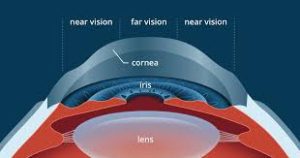
During LASIK, a thin corneal flap is created and the underlying stromal tissue is reshaped with an excimer laser. Once the flap is repositioned, the cornea begins healing—but it remains more vulnerable than usual for weeks to months. Ultraviolet light penetrates the cornea more easily during this window because the tissue’s protective barrier has been temporarily disrupted.
UV exposure during early recovery can trigger inflammation, increase light sensitivity, and in some cases contribute to corneal haze—a clouding that affects visual clarity. These risks are well understood by refractive surgeons, which is why post-LASIK precautions always include strict sun avoidance during the critical healing phase.
The concern isn’t just about comfort. Prolonged UV exposure without protection can also worsen the post-operative dry eye that most LASIK patients experience in the first few months. The sun accelerates tear film evaporation, leaving the already-sensitive corneal surface exposed and irritated.
How Long Should You Avoid the Sun After LASIK?
The First Two Weeks: Maximum Caution
The initial 14 days after LASIK are the most critical. Your corneal flap is still stabilising, and your eyes are at their most photosensitive. During this period, avoid direct sunlight as much as possible. If you need to go outside, wear wrap-around UV-blocking sunglasses—even on cloudy days, since UV rays penetrate cloud cover. Understanding the full LASIK recovery timeline helps you plan activities safely.
Weeks Two to Six: Continued Protection
Light sensitivity gradually decreases, but your cornea is still healing beneath the surface. Continue wearing sunglasses for all outdoor activities. Many patients find that bright environments—parking lots, beaches, snow—still cause discomfort during this phase. This is normal and a sign that your eyes still need shielding.
Three Months and Beyond
By three months, most corneal healing is functionally complete. However, ophthalmologists recommend that LASIK patients adopt lifelong UV protection habits, since the reshaped cornea remains slightly thinner than its pre-surgical state. Wearing quality sunglasses outdoors becomes a permanent best practice—not just a recovery requirement. Learn more about maintaining eye health long term at keeping eyes healthy after LASIK.
What UV Exposure Does to a Healing Cornea
Ultraviolet radiation affects the cornea in several specific ways during post-LASIK recovery. First, it stimulates an inflammatory response in tissue that is already managing the controlled wound from surgery. Second, UV light can activate keratocytes—corneal cells involved in wound healing—in a way that produces excess scarring, leading to corneal haze. Third, UV-induced oxidative stress damages the regenerating epithelial cells on the corneal surface.
For patients who had PRK or TransPRK rather than standard LASIK, the risk of corneal haze from sun exposure is even higher because no protective flap covers the treated area. But even with flap-based procedures like femto LASIK, UV caution remains essential. If you’ve experienced post-surgical light sensitivity that persists beyond the expected timeline, it’s worth reading about photophobia after LASIK for guidance.
Choosing the Right Sunglasses After LASIK
Not all sunglasses are equal when it comes to post-LASIK protection. Here’s what to look for:
- 100% UV protection: The lenses must block both UVA and UVB rays completely. A dark tint alone does not guarantee UV filtration—always check the label.
- Wrap-around design: Standard frames leave gaps at the sides where light enters. Wrap-around styles block peripheral UV and also reduce wind exposure, which helps with dry eyes.
- Polarised lenses (optional but helpful): Polarisation reduces glare from reflective surfaces like roads and water. While not strictly necessary, many patients find polarised sunglasses after LASIK significantly more comfortable.
- Comfortable fit: Your sunglasses shouldn’t press against the nose bridge or temples in a way that could accidentally bump your healing eyes.
Your surgeon will typically provide protective eyewear for the first day or two. After that, invest in a quality pair that you’ll actually wear consistently.
Practical Tips for Going Outdoors During Recovery
Staying indoors for weeks isn’t realistic—and it isn’t necessary. You can safely enjoy the outdoors during recovery by following a few straightforward habits. Wear your UV-blocking sunglasses every time you step outside, even for short errands. Use a wide-brimmed hat for an extra layer of shade, especially during peak sun hours between 10 AM and 4 PM.
Avoid environments with intense reflected light. Swimming pools, sandy beaches, and snow-covered areas amplify UV exposure significantly. If you’re wondering about specific activities, the dos and don’ts after laser eye surgery page covers common scenarios in detail.
Apply preservative-free lubricating eye drops before heading outside. Dry air and wind compound the drying effect of sun exposure, and a well-lubricated corneal surface heals faster and feels more comfortable.
Do You Need Sunglasses Indoors Too?
Most patients don’t need sunglasses indoors beyond the first 24 to 48 hours. However, if you’re sensitive to bright artificial lighting—fluorescent office lights, for example—tinted lenses or blue-light-filtering glasses can help during the first week. This sensitivity is temporary and resolves as the corneal nerves regenerate.
For a deeper look at when indoor eyewear is appropriate, see wearing sunglasses indoors after LASIK. The short answer: it’s fine to wear them if they help, but don’t become dependent on them indoors, as your eyes need gradual exposure to normal light levels to adapt properly.
Long-Term Sun Protection After LASIK
Even years after LASIK, protecting your eyes from UV radiation is a smart habit. The cornea is slightly thinner after laser reshaping, which means it offers marginally less natural UV filtration than before. Over decades, cumulative UV exposure contributes to conditions like pterygium, cataracts, and macular degeneration—risks that apply to everyone but are worth taking especially seriously after refractive surgery.
If at some point you notice persistent sensitivity to bright light months or years after surgery, long-term light sensitivity after LASIK explains what might be happening and when to consult your doctor.
Why Visual Aids Centre Prioritises Post-LASIK Care
Visual Aids Centre in Delhi provides comprehensive post-operative care that extends well beyond the day of surgery. The centre’s recovery protocol includes personalised UV protection guidance tailored to each patient’s lifestyle—whether you work outdoors, drive long distances, or spend time in high-glare environments. With more than 250,000 laser vision correction procedures performed, the team has refined its aftercare based on real-world outcomes across thousands of patients in India’s challenging climate.
Concerned about your post-LASIK recovery? Book an appointment for a follow-up evaluation.
Conclusion
Yes, you should avoid direct sun exposure after LASIK—particularly during the first few weeks when your cornea is most vulnerable. UV radiation can interfere with healing, worsen dry eyes, and increase the risk of corneal haze. The solution is straightforward: wear 100% UV-blocking sunglasses every time you go outside, use a hat for extra protection, and keep your eyes lubricated. By the three-month mark, your healing will be largely complete, but adopting lifelong UV protection is one of the simplest things you can do to safeguard the results of your surgery.
Frequently Asked Questions (FAQs)
How soon after LASIK can I go outside in the sun?
You can go outside the day after surgery, but you must wear 100% UV-blocking sunglasses. Avoid prolonged direct sun exposure for at least two to four weeks.
Can sunlight damage my eyes permanently after LASIK?
Unprotected UV exposure during early recovery can cause corneal haze or delayed healing. With proper sunglasses, permanent damage is very unlikely.
Do I need sunglasses on cloudy days after LASIK?
Yes. Up to 80% of UV radiation passes through clouds. Always wear your UV-blocking sunglasses outdoors during the recovery period, regardless of weather.
What happens if I forget my sunglasses after LASIK?
Brief unprotected exposure likely won’t cause serious harm, but repeated or prolonged exposure increases the risk of complications. Keep a spare pair in your bag or car. Learn more about potential effects at what happens without sunglasses after LASIK.
How long do I need to wear sunglasses after LASIK?
Wear sunglasses consistently for at least three months. After that, continue wearing them outdoors as a lifelong habit to protect your reshaped cornea from UV damage.
👁️ MEDICALLY REVIEWED BY
Padmashree Dr. Vipin Buckshey
Optometrist & Vision Care Expert | AIIMS Graduate, 1977 | Padma Shri Honouree
With a career spanning over four decades and more than 250,000 laser vision correction procedures overseen, Dr. Vipin Buckshey brings unmatched clinical depth to post-LASIK recovery guidance. As the founder of Visual Aids Centre, an AIIMS alumnus, former President of the Indian Optometric Association, and official optometrist to the President of India, Dr. Buckshey ensures that every patient receives evidence-based aftercare—including UV protection protocols developed from decades of real-world outcomes in Indian climatic conditions.