It is one of the most reasonable questions to ask before spending on laser eye surgery: will it actually last, or will I be back in glasses in a few years? The honest, encouraging answer is that LASIK is permanent — it reshapes your cornea for good. But “permanent” comes with one important piece of context that every patient deserves to understand clearly.
This guide from Visual Aids Centre explains exactly what permanent means for LASIK, why your eyes can still change with age, the rare situations where vision shifts, and how to keep your results lasting their best. No overpromising — just a clear, truthful picture.
Key Takeaways
- LASIK permanently reshapes the cornea, so it does not wear off — your current prescription is corrected for good.
- It cannot stop natural ageing, so reading glasses may still be needed after about 40 (presbyopia).
- Regression — a slight return of prescription — is rare and more likely with very high corrections.
- An enhancement or touch-up can fine-tune vision in the uncommon cases where it shifts.
- Stable eyes and good candidacy before surgery are the best predictors of lasting results.
Is LASIK Really Permanent?
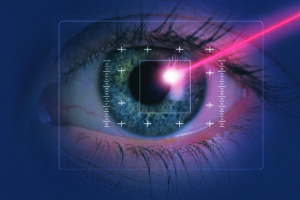
Yes. LASIK works by permanently reshaping the cornea with a laser, and that change does not reverse itself — the tissue does not grow back or “wear off.” For the vast majority of patients, the correction of their nearsightedness, farsightedness, or astigmatism lasts for life. If you have read that LASIK might wear off, the reassuring truth is that the reshaping itself is permanent, and our guide on whether laser eye surgery lasts forever explains the nuance in full.
Why Your Eyes Can Still Change
Here is the context that matters: LASIK fixes your prescription as it is today, but it cannot pause time. Your eyes continue to age naturally, and one age-related change affects everyone eventually — presbyopia.
Presbyopia and Reading Glasses
Around the age of 40, the eye’s natural lens stiffens and near focus becomes harder. This happens whether or not you have had LASIK, which is why some people need reading glasses after LASIK later in life. It is not the surgery failing — it is normal ageing.
What About Regression?
Regression is the term for a small, gradual return of part of your prescription after surgery. It is uncommon, and when it does happen it is usually mild and more likely in people who started with very high prescriptions. Several factors influence it, and our guide on how to prevent regression covers what helps.
Enhancements and Touch-Ups
In the uncommon event that vision does shift, the fix is usually simple. A LASIK enhancement — a minor touch-up procedure — can refine your correction. It is reassuring to know this safety net exists, even though most people never need it. Our guide on how to know if you need an enhancement explains the signs, and because results are so durable, some patients only consider a touch-up after ten years — if at all.
How to Keep Your Results Lasting
The biggest factor in lasting results is decided before surgery: being a well-screened candidate with a stable prescription. Beyond that, a few things help your vision stay its best:
- Choose surgery when your prescription is stable — treating eyes that are still changing invites regression.
- Protect your eyes from excessive UV and strain over the years.
- Keep up regular eye check-ups so any change is caught early.
- Follow your aftercare properly during the healing months.
Curious how durable the outcome typically is? Our overview of how long LASIK results last gives the full picture.
Conclusion
Is LASIK permanent? Yes — the corneal reshaping that corrects your vision is permanent and does not wear off. The honest caveat is simply that LASIK cannot stop natural ageing, so age-related changes like presbyopia may still call for reading glasses down the line, and rare regression can be touched up if needed. For a well-screened patient with a stable prescription, LASIK delivers clear, lasting, glasses-free vision for the long haul.
Want to know how lasting your own result would be? Book a consultation with Visual Aids Centre, or explore the procedure on our LASIK eye surgery page, and we will give you an honest, personalised answer.
Frequently Asked Questions (FAQs)
Is LASIK eye surgery permanent?
Yes. LASIK permanently reshapes the cornea and does not wear off. Your current prescription is corrected for life, though natural ageing can still affect vision later.
Will I ever need glasses again after LASIK?
Possibly for reading after about 40, due to presbyopia — a normal age-related change, not surgery failure. Distance vision usually stays corrected long-term.
Can my prescription come back after LASIK?
Regression is rare and usually mild, more likely with very high original prescriptions. Stable, well-screened eyes rarely see a meaningful return.
What is a LASIK enhancement?
A minor touch-up procedure that refines your correction if vision shifts. Most patients never need one, but it is a reassuring safety net.
Does LASIK stop my eyes from ageing?
No. It corrects your current refractive error but cannot prevent age-related changes like presbyopia or cataracts, which affect everyone over time.
How can I make my LASIK results last?
Have surgery when your prescription is stable, protect your eyes, attend regular check-ups, and follow aftercare. Good candidacy is the biggest factor.
👁️ MEDICALLY REVIEWED BY
Padmashree Dr. Vipin Buckshey
Optometrist & Laser Vision Correction Specialist | AIIMS Graduate, 1977 | Padma Shri Honouree | Former President, Indian Optometric Association
Visual Aids Centre was founded by Vipin Buckshey and became the first eye centre in Delhi to introduce LASIK surgery, in 1999. Across more than 250,000 laser vision correction procedures spanning decades, the team has followed patients’ results over the long term — which is exactly why they explain permanence honestly: the correction lasts, but ageing continues for everyone. As the official optometrist to the President of India and a Padma Shri honouree, Dr. Buckshey draws on four decades of refractive experience to set expectations that hold true for life, not just for the consultation. Learn more about our story.