
The first 48 hours after SMILE surgery — no alcohol. That window is non-negotiable from a healing standpoint. After that, the answer becomes more nuanced: most surgeons allow light, social drinking from around the one-week mark, provided healing is on track at your first post-operative review. What matters is understanding why the restriction exists, not just how long it lasts.
Alcohol affects the healing eye in three distinct ways — dehydration, medication interaction, and impaired judgment. None of them are dramatic at moderate consumption levels, but they all work against the recovery you just invested in. This article covers the full timeline, the clinical reasoning behind each restriction, and how to approach drinking responsibly once you get the all-clear.
💡 Quick Highlights
- No alcohol for the first 48–72 hours after SMILE surgery — the healing incision is at its most vulnerable during this window.
- Alcohol dehydrates the body and worsens post-operative dry eye, which is already the most commonly reported SMILE side effect.
- Most surgeons permit light drinking from around day seven, confirmed at the first post-op review.
- Impaired judgment from alcohol is a practical risk — rubbing the eye after drinking is the most common patient-reported incident during early recovery.
In This Article
How Alcohol Affects a Healing Eye After SMILE
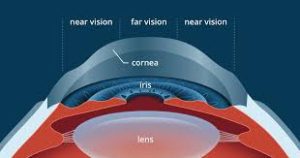
SMILE (Small Incision Lenticule Extraction) is a flapless procedure — it removes a disc of corneal tissue through a small keyhole incision rather than creating a hinged flap. The absence of a flap removes one category of trauma risk compared to LASIK, but the corneal surface still heals over the first days to weeks, and the internal incision channel needs time to close properly.
Dehydration and the Tear Film
Alcohol is a diuretic — it causes the body to excrete more fluid than it takes in. In a healthy eye this is inconvenient. In a post-SMILE eye it matters more, because SMILE transiently disrupts corneal sensory nerves that signal tear production. The result is a tear film that is already producing less than normal. Add alcohol-induced systemic dehydration and you compound that dryness, increasing grittiness, light sensitivity, and discomfort during the healing period.
Post-operative dry eye is the most frequently reported side effect after SMILE surgery. It is generally milder and shorter-lived than post-LASIK dry eye — because SMILE preserves more corneal nerve fibres — but it is still present for most patients in the first few weeks. Anything that worsens it, alcohol included, slows how quickly the ocular surface stabilises. Our dedicated article on dry eyes after SMILE surgery covers this in full if you want to understand the mechanism and management in more detail.
Medication Interactions
In the first week post-SMILE, patients are typically on antibiotic eye drops and topical corticosteroids. The drops themselves rarely interact directly with alcohol — but some patients are also prescribed oral anti-inflammatories or analgesics in the immediate post-operative period. Alcohol and oral NSAIDs (like ibuprofen) together increase gastric irritation risk. More practically, alcohol affects how consistently patients follow their drop schedule, and timing of anti-inflammatory drops matters during the first week of healing.
Impaired Judgment — the Overlooked Risk
This one does not appear in most post-operative handouts but it is clinically real. The most common self-reported incident from patients during early recovery is accidentally touching or rubbing the eye — usually during sleep or when fatigued. Alcohol disrupts sleep quality and reduces inhibitory control, making unconscious eye contact more likely. SMILE’s flapless design makes it more resilient than LASIK to this kind of contact, but rubbing a healing incision channel is still not something you want to do in week one.
When Can You Drink? — A Clear Timeline
-
✕
Hours 0–48: No alcohol
The healing incision is at its most fragile. Your prescribed drops are at their most critical. Some patients also receive oral medication in this window that interacts directly with alcohol. This is the one part of the timeline with no flexibility.
-
~
Days 3–7: Avoid if possible
Vision is still fluctuating as the cornea settles. Dry eye symptoms are typically at their most noticeable during this phase. A glass of something social at a dinner is unlikely to cause harm, but it is not advisable — and the benefit is not worth the trade-off when you are seven days away from getting a formal green light. Understanding how long SMILE vision takes to stabilise helps contextualise why these early days matter so much for outcome.
-
✓
Week 1+ with surgeon clearance: Light drinking permitted
At your first post-operative review — usually at one week — your surgeon assesses healing progress and confirms whether normal social activities, including light drinking, can resume. This is the checkpoint to wait for, not a general calendar date. The SMILE eye surgery follow-up schedule and what is assessed at each stage is worth knowing before your surgery date.
-
✓
Month 1+: Normal consumption with awareness
By four weeks, most patients have reached stable vision and healing is well advanced. Alcohol at normal social levels is fine. The longer-term consideration is not about the surgery — it is about general ocular health and what chronic overconsumption does to it independently.
If You Do Drink — Making It Safer
📌 Practical steps if you drink during recovery:
- Hydrate in parallel. Match every alcoholic drink with a glass of water. This directly offsets the dehydrating effect that worsens dry eye.
- Apply lubricating drops before and after. Preservative-free drops before you go out and again when you return help stabilise the tear film through the dehydrating period.
- Wear your eye shields when sleeping. The impaired-judgment risk is highest when you are tired and uninhibited. Wearing the protective shields your surgeon provided makes unconscious eye contact far less likely.
- Avoid smoky environments. Post-SMILE eyes are more sensitive to airborne irritants. Bar and venue smoke — even passive — combined with alcohol-related tear film disruption is a compounding irritant.
- Do not drive. Vision can fluctuate mildly in the first week. Alcohol on top of that is not a combination to test.
Long-Term Alcohol and Eye Health
Once your SMILE recovery is complete, occasional to moderate alcohol consumption has no documented effect on SMILE outcomes specifically. The correction is permanent — the lenticule removed does not regenerate, and a glass of wine years post-surgery does nothing to the corneal geometry SMILE created.
What chronic overconsumption does affect — independently of any laser surgery — is general ocular health. Heavy long-term drinking is associated with accelerated cataract formation, optic nerve sensitivity changes, and nutritional deficiencies (particularly B vitamins) that affect visual function. These are population-level considerations, not post-SMILE-specific ones, but they are worth knowing.
Patients who smoke alongside drinking face compounded healing challenges. Nicotine constricts blood vessels and impairs tissue oxygenation — a direct negative for corneal healing. Our article on smoking after SMILE surgery covers the specific timeline and risk profile for that combination.
Frequently Asked Questions
Can I drink alcohol the night before SMILE surgery?
No. Alcohol the night before surgery affects hydration, sleep quality, and how your eyes feel going into the procedure. Some anaesthetic interactions are also a consideration. Most surgeons ask patients to avoid alcohol for 24–48 hours before surgery, not just after.
What happens if I drink alcohol in the first 48 hours after SMILE?
A single drink is unlikely to cause visible complications — but it will worsen dry eye symptoms, may interfere with your drop schedule, and increases the risk of accidentally touching your eyes. The first 48 hours are the highest-risk window for the healing incision. It is simply not worth it.
Can I drink beer after SMILE surgery?
Beer, wine, spirits — the type of alcohol is less relevant than the timing and quantity. Wait until your one-week post-op review and get your surgeon’s clearance before drinking anything. After that, light social drinking is generally fine for most patients.
Does alcohol make dry eye worse after SMILE?
Yes, directly. Alcohol is a diuretic and causes systemic dehydration, which reduces tear production and exacerbates the ocular surface dryness that most SMILE patients already experience in the first few weeks. Drinking plenty of water alongside any alcohol partially offsets this.
How long do I have to wait to drink after SMILE surgery?
A minimum of 48–72 hours before any alcohol at all. Most surgeons advise avoiding alcohol for the full first week, then confirming at the one-week post-op review before resuming social drinking. Do not set a calendar date — wait for your surgeon’s clearance based on how your healing is actually progressing.
Does drinking alcohol affect SMILE surgery results long-term?
No. Once recovery is complete, moderate alcohol consumption has no documented effect on the permanence or quality of SMILE outcomes. The corneal correction is structural — a lenticule was removed, and that removal does not change with subsequent lifestyle choices. Chronic heavy drinking affects general eye health over decades, but that is unrelated to the SMILE procedure itself.
Is SMILE recovery different from LASIK when it comes to alcohol?
Slightly. SMILE is flapless, which removes the flap displacement risk that makes alcohol-related impaired judgment especially concerning for LASIK patients. The dehydration and dry eye concerns are the same — and SMILE typically produces less post-operative dry eye than LASIK, so the overall impact of drinking during recovery is marginally lower for SMILE. The first-week restriction, however, applies to both.
The alcohol question comes up at nearly every post-SMILE consultation at Visual Aids Centre — usually from patients who have a wedding, a reunion, or a celebration within days of their surgery date. The clinical answer is straightforward: wait for your one-week review, get your surgeon’s confirmation, and then drink sensibly with the hydration practices this article describes. The cases that end up with prolonged dry eye are almost never from a single social occasion — they are from patients who ignored the first week entirely and then wondered why their vision was still unsettled at month two. About Dr. Buckshey and Visual Aids Centre.