
It is one of the simplest habits in the world — you feel an itch, you rub your eye. But after LASIK surgery, that reflexive gesture can cause real damage. The corneal flap created during the procedure is healing, not yet firmly bonded, and even moderate pressure from rubbing can shift it out of position, introduce bacteria, or trigger inflammation that delays your recovery.
This guide explains exactly what happens to the corneal flap when you rub your eyes at different stages of recovery, covers the specific complications that can result, and gives you practical alternatives for managing itchiness and discomfort without putting your surgical outcome at risk. If you have already accidentally rubbed your eyes and are worried about the consequences, we cover that scenario too. For patients who had a flapless procedure instead, our article on accidentally rubbing eyes after SMILE surgery addresses the different risk profile.
Key Takeaways
- Avoid rubbing your eyes for at least 4 weeks after LASIK — the corneal flap needs this time to develop adequate adhesion.
- Rubbing can displace the flap, introduce infection, cause epithelial ingrowth, or trigger post-operative inflammation.
- If your eyes itch or feel dry, use preservative-free lubricating drops — never your fingers.
- Wearing protective shields at night during the first week prevents unconscious rubbing while you sleep.
Why Rubbing Your Eyes After LASIK Is Dangerous
During LASIK, a thin flap is created on the surface of your cornea using a femtosecond laser. This flap is lifted so the excimer laser can reshape the underlying corneal tissue, and then it is repositioned. The flap adheres naturally through a biological healing process — but in the early weeks, it is held in place primarily by surface tension and the epithelium growing over the flap edge, not by strong structural bonds. Rubbing applies mechanical force directly to this delicate interface, and even gentle pressure can disrupt what is still a fragile attachment.
The risk is highest in the first one to two weeks but does not disappear entirely for several months. Understanding why your surgeon at Visual Aids Centre tells you not to touch your eyes is not just about following rules — it is about protecting the precision correction that was just applied to your cornea. For a broader understanding of the recovery timeline and restrictions, our guide on how long LASIK takes to heal explains the full arc.
Corneal Flap Displacement
This is the most serious consequence of rubbing your eyes after LASIK. When mechanical force pushes on the cornea, the flap can wrinkle, shift, or partially dislodge from its original position. A displaced flap causes immediate blurry vision, discomfort, and increased tearing. If not corrected promptly, it can lead to irregular astigmatism and permanent visual distortion.
Flap displacement requires an emergency visit to your surgeon, who will lift, reposition, and smooth the flap — a procedure called flap re-floating. While this is usually successful if caught early, it adds unnecessary risk and recovery time to what should be a straightforward healing process. Our detailed article on LASIK flap dislocation covers the signs to watch for and what to do if it happens. In some cases, displacement can also cause flap striae — fine wrinkles in the tissue that affect visual clarity even after repositioning.
Infection Risk from Rubbing
Your hands carry bacteria, viruses, and other microorganisms throughout the day — even if they look clean. When you rub your eyes after LASIK, you are introducing these pathogens directly to a cornea with a healing wound edge. The flap margin acts as a potential entry point for bacteria, and post-LASIK corneas are temporarily more vulnerable because the surface epithelium is still regenerating.
Post-operative eye infections, while rare, can be severe. Bacterial keratitis or diffuse lamellar keratitis (DLK) — sometimes called “Sands of the Sahara” syndrome — can develop under the flap if contaminants enter the interface. These conditions require aggressive antibiotic or steroid treatment and, in serious cases, can affect final visual outcomes. This is exactly why your prescribed post-operative antibiotic eye drops are so important — they provide a protective barrier while the cornea heals. If you notice any signs of eye infection after LASIK, contact your surgeon immediately.
Other Complications from Eye Rubbing
Epithelial Ingrowth
When the flap edge is disturbed by rubbing, surface epithelial cells can migrate underneath the flap and begin growing in the interface — a condition called epithelial ingrowth. Mild cases may be monitored, but significant ingrowth can cause blurred vision, discomfort, and flap melting, often requiring surgical intervention to lift the flap and remove the misplaced cells.
Increased Inflammation
Rubbing stimulates the release of inflammatory mediators in the already-healing cornea, which can intensify redness, swelling, and light sensitivity. Patients who are already on steroid drops for post-operative inflammation may find that rubbing counteracts the medication’s benefit, prolonging the recovery period.
Dry Eye Aggravation
LASIK temporarily reduces corneal nerve sensitivity, which decreases your natural blink reflex and tear production. Rubbing further disrupts the already-compromised tear film, stripping away the thin lipid layer that prevents evaporation. This can worsen post-LASIK dry eye symptoms significantly. If dryness is already a concern, our article on how to treat dry eyes after LASIK offers comprehensive management strategies.
How Long Should You Avoid Rubbing Your Eyes?
The strict no-rubbing period is at least four weeks after LASIK. During the first week, the risk of flap displacement from rubbing is highest because the epithelial seal is still forming. By weeks two to four, the flap adhesion strengthens progressively, but it is still not robust enough to withstand significant mechanical force. After one month, the risk drops substantially — but many surgeons recommend being gentle with your eyes for the first three months.
Night-time is a particular vulnerability. Many people rub their eyes in their sleep without realising it. This is why your surgeon will provide protective eye shields to wear at night during at least the first week — and ideally longer if you are a known eye-rubber while sleeping.
What to Do When Your Eyes Itch After LASIK
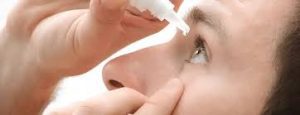
Itching and mild irritation are completely normal during LASIK recovery — they are actually signs that your cornea is healing. The challenge is managing the discomfort without touching your eyes. Use preservative-free artificial tears liberally — they soothe irritation, flush away allergens, and stabilise the tear film. Keep them refrigerated for an extra cooling effect that can calm itchiness. If dryness is the primary trigger, choosing the right lubricating drops makes a noticeable difference.
If itching is allergy-related, talk to your surgeon about antihistamine drops that are safe to use alongside your post-operative medications. Cold compresses (a clean cloth dampened with cool water) applied gently to closed eyelids can also relieve the urge to rub. Avoid pressing down on the eye itself — let the coolness do the work without mechanical pressure. If you find yourself reaching for your eyes out of habit, wearing your protective goggles during the day can serve as a physical reminder.
What If You Accidentally Rubbed Your Eyes?
First: do not panic. A light, brief touch is unlikely to cause flap displacement — the flap has some adhesion even in the first few days. However, you should assess your symptoms carefully. If your vision remains clear and you are not experiencing new pain, increased tearing, or sudden blurriness, it is likely that no damage occurred. Continue your prescribed drop regimen and monitor over the next few hours.
If you notice any of the following after rubbing your eyes — sudden blurry or hazy vision in the affected eye, sharp pain or a foreign-body sensation, significantly increased light sensitivity, or visible redness that was not there before — contact your surgeon immediately. These could indicate flap movement, and early intervention is critical. At Visual Aids Centre, our post-operative care team is available for exactly these situations — a quick examination can confirm whether the flap is intact and save you days of unnecessary worry.
Conclusion
Rubbing your eyes after LASIK is one of the most common — and most preventable — causes of post-operative complications. The corneal flap needs at least four weeks of undisturbed healing to develop strong adhesion, and mechanical pressure during this period can cause displacement, infection, epithelial ingrowth, or worsened dry eye. Use lubricating drops, wear protective shields at night, and keep your hands away from your eyes. If you do accidentally rub and notice any visual changes, seek immediate attention. To discuss your recovery plan or address any post-LASIK concerns, book a follow-up at Visual Aids Centre.
Frequently Asked Questions (FAQs)
How long after LASIK can I safely rub my eyes?
Most surgeons advise waiting at least four weeks before rubbing your eyes. Even after that, be gentle — vigorous rubbing should be avoided for three to six months.
Can rubbing your eyes after LASIK cause blindness?
Complete vision loss from eye rubbing is extremely unlikely. However, flap displacement or severe infection from rubbing can cause lasting visual impairment if not treated promptly.
I rubbed my eye lightly one week after LASIK — should I worry?
A light, brief touch usually does not cause problems. Monitor your vision for the next few hours. If everything remains clear and comfortable, no action is needed. If you notice blurriness or pain, call your surgeon.
Why do my eyes itch so much after LASIK?
Itching is a normal part of corneal healing. Temporary dryness and nerve regeneration trigger the sensation. Use preservative-free artificial tears to manage it without rubbing.
Do I need to wear eye shields at night after LASIK?
Yes. Eye shields prevent unconscious rubbing during sleep. Most surgeons recommend wearing them for at least the first week, though some patients benefit from longer use.
👁️ MEDICALLY REVIEWED BY
Padmashree Dr. Vipin Buckshey
Optometrist & Post-Operative Care Specialist | AIIMS Graduate, 1977 | Padma Shri Honouree
With more than four decades of clinical experience and over 250,000 laser vision correction procedures performed at Visual Aids Centre, Dr. Vipin Buckshey has managed thousands of post-LASIK complications — including flap displacement cases caused by eye rubbing. An AIIMS alumnus, former President of the Indian Optometric Association, and official optometrist to the President of India, Dr. Buckshey personally oversees post-operative protocols at the centre to ensure every patient understands the critical importance of protecting their cornea during recovery. View our clinical achievements.