Lasik Eye Surgery
Can I Apply Oil To Hair After Lasik?
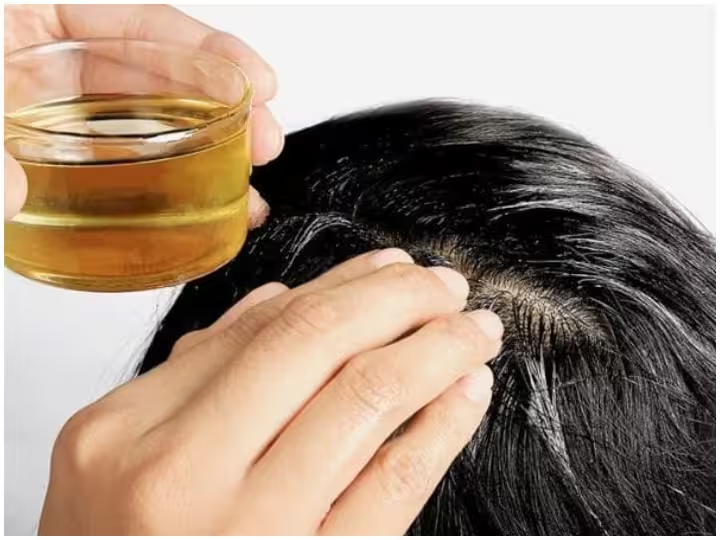
Yes — but when, which oil, and how you apply it all change the answer. A few drops of lightweight oil on the hair shaft


Yes — but when, which oil, and how you apply it all change the answer. A few drops of lightweight oil on the hair shaft

Yes, bloodshot eyes after LASIK are common, and in the overwhelming majority of cases they’re a harmless subconjunctival hemorrhage, not a sign anything went wrong.
There’s no widely recognised drug called “isopeptide” — so if you’re searching this exact phrase, the honest first answer is that the question, as literally

Saline solution and artificial tears get lumped together constantly in post-LASIK advice, but they’re not interchangeable — and that distinction matters more than it might
LASIK feels scarier than the data supports — and that gap between feeling and fact is really the whole story here. Most of what makes

Yes, you can bend after LASIK — but the first few days call for real care, not just general caution. Bending over increases pressure inside
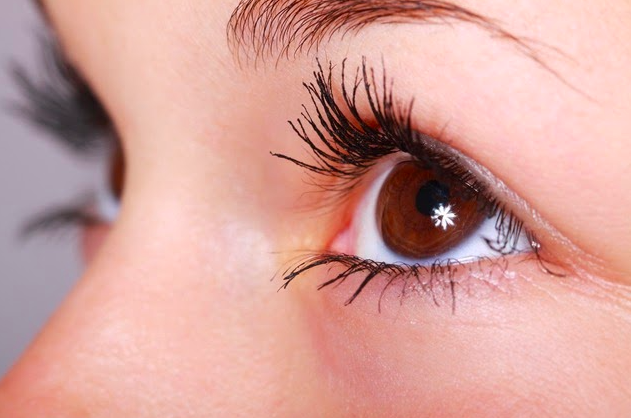
Yes, you’re fully awake during LASIK — and that’s not a compromise on safety, it’s a requirement for the procedure to work correctly. The bigger
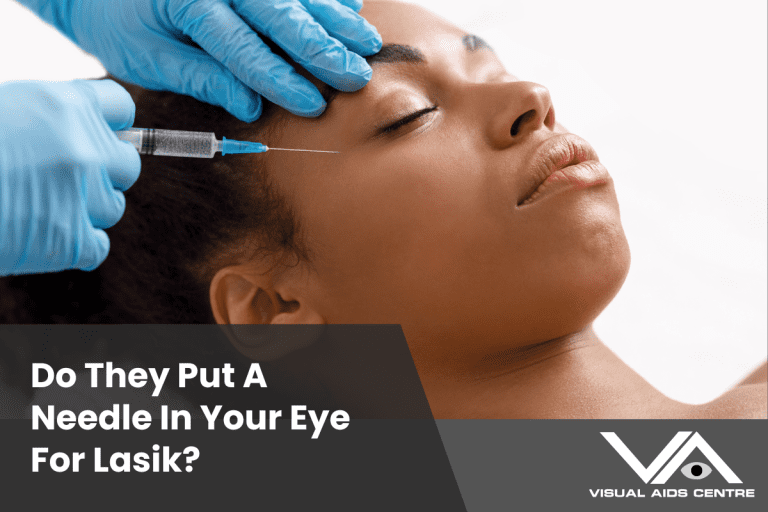
No — no needle ever touches your eye during LASIK. The only anesthesia used is a topical numbing eye drop, applied directly onto the surface
Yes, you can take Tylenol after LASIK — and it’s usually the preferred over-the-counter option, not just an acceptable one. Tylenol’s active ingredient is acetaminophen
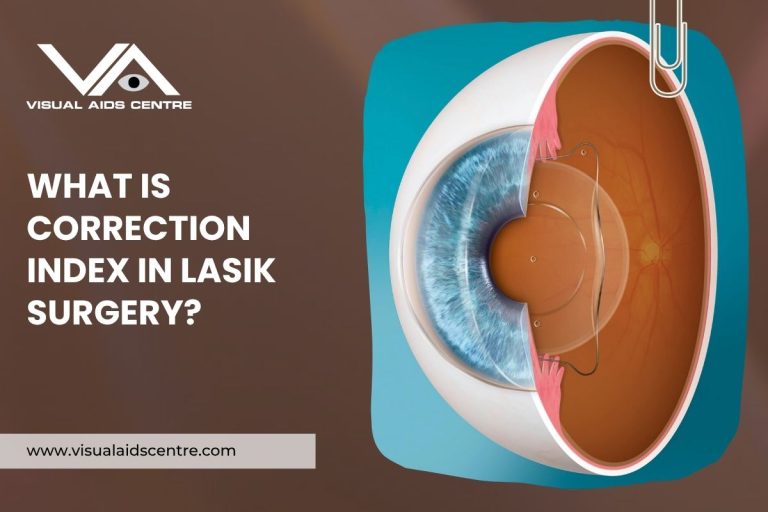
Correction index isn’t something you’ll be quizzed on before surgery, but it’s one of the more precise ways your outcome actually gets measured afterward. It’s