
Getting back to your regular beauty routine after LASIK is exciting—but rushing the process, especially around your eyes, can put your healing cornea at serious risk. Knowing exactly how to remove eye makeup safely is one of the most practical things you can learn before your surgery date.
LASIK creates a thin corneal flap (or, in flapless procedures, a small incision) that needs time to stabilise. Makeup particles, preservatives in removers, and even the physical pressure of wiping can interfere with that healing window. This guide walks you through the timeline, the technique, and the products that keep your results intact while you ease back into cosmetics. Whether you had Femto LASIK, Contoura Vision, or SMILE Pro, the principles below apply.
Key Takeaways
- Avoid all eye makeup for at least 7–10 days after LASIK; your surgeon may extend this based on healing.
- Use oil-free, fragrance-free micellar water on a soft cotton pad—never rub or press hard.
- Waterproof formulas, lash glue, and kohl pencils should wait at least 4 weeks post-surgery.
- Preservative-laden makeup removers can trigger inflammation in a healing cornea.
Why Makeup Removal Matters More Than Usual After LASIK
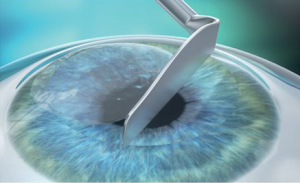
During LASIK, a precise corneal flap is created and repositioned after the laser reshapes the underlying tissue. In the first days and weeks, that flap is reattaching and the surface epithelium is regenerating. Anything that touches the eye area—especially products designed to dissolve pigments and oils—can introduce irritants directly into a vulnerable healing zone.
Makeup removers often contain surfactants, preservatives, or alcohol-based solvents. If these seep past the lash line into the tear film, they can cause chemical irritation, delay epithelial closure, or increase the risk of infection. Even gentle physical contact near the eyelid margin can accidentally shift a healing flap in the very early days.
When Can You Start Wearing and Removing Eye Makeup Again?
Days 1–7: No Eye Makeup at All
For the first week, skip eye cosmetics entirely. This means no mascara, eyeliner, eyeshadow, or brow products that could flake into the eye. Face makeup below the orbital rim (foundation, blush) is usually fine after 2–3 days, but keep it well away from the lash line.
Days 7–14: Light Makeup, Gentle Removal
Most surgeons clear patients for light, non-waterproof eye makeup around the 7–10 day mark. When you do start, use fresh products—old tubes harbour bacteria—and stick to mineral-based formulas that are easier to remove without aggressive solvents.
Week 4 and Beyond: Full Routine Resumes
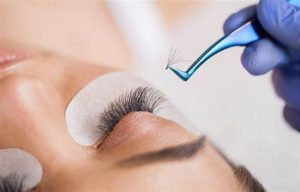
Waterproof mascara, liquid eyeliner, heavy smoky eyes, and false eyelashes are best postponed until at least four weeks. The lash adhesive in particular requires a tugging removal motion that can stress the periorbital area.
Step-by-Step: How to Safely Remove Eye Makeup After LASIK
Once your surgeon gives you the green light to wear cosmetics again, follow these steps every time you remove eye makeup:
- Wash your hands thoroughly. Use an antibacterial soap and dry with a lint-free towel. Clean hands are non-negotiable—this is how you prevent eye infections after LASIK.
- Soak, don’t rub. Saturate a soft cotton pad with preservative-free micellar water. Close your eye and press the pad gently against the lid for 15–20 seconds. Let the product dissolve the makeup before you move the pad.
- Wipe downward in one direction. Starting from the inner corner, sweep outward and downward along the lash line. Avoid back-and-forth scrubbing, which pushes particles toward the eye.
- Clean the lash roots carefully. Use a fresh cotton swab dampened with the same micellar water to clear mascara or liner from the base of the lashes. For tips on keeping lashes clean in general, see our guide on how to clean eyelashes after LASIK.
- Rinse with preservative-free artificial tears. After removal, instil a drop of lubricating eye drops to flush any residual particles from the tear film.
- Pat dry—never rub. Use a clean, lint-free cloth and pat the area. Rubbing your eyes remains off-limits for several weeks; learn more about why at rubbing eyes after LASIK surgery.
Products and Ingredients to Avoid
Not all makeup removers are created equal, and after LASIK the stakes are higher. Steer clear of removers containing alcohol or ethanol (these sting and dry out the ocular surface), fragrances or essential oils (common sensitisers), strong surfactants like sodium lauryl sulphate, and any formulation labelled “deep cleansing” or “long-wear removal”—these are designed to strip waterproof pigments and are far too aggressive for a healing eye.
Waterproof makeup itself is the real culprit. Because it resists water, removing it requires either an oil-heavy solvent or vigorous rubbing—both problematic after LASIK. If you are still experiencing dryness, aggressive removers will only make it worse.
What to Use Instead
Micellar Water (Oil-Free, Fragrance-Free)
Micellar water uses tiny micelles—clusters of gentle surfactant molecules—to lift makeup without harsh rubbing. Choose a formula specifically labelled for sensitive eyes, free of preservatives and fragrance.
Gentle Cream or Milk Cleansers
A cream cleanser applied with fingertips (not a washcloth) dissolves makeup with minimal friction. Rinse with lukewarm water—not hot—and follow with artificial tears. For broader face-washing advice, check out how to wash face after LASIK.
Mineral-Based Makeup
The easiest makeup to remove is makeup that doesn’t cling aggressively. Mineral eyeshadows and non-waterproof mascaras come off with gentle micellar water in seconds, reducing both the product exposure and the mechanical force on your eyelids.
Common Mistakes That Risk Your LASIK Results
Even well-intentioned patients sometimes slip up. Using old makeup that’s been open for months introduces bacteria to a freshly operated eye. Cotton balls that shed fibres can leave debris on the lash line. Tugging at stubborn mascara can displace the corneal flap in the early healing period, and using a shared makeup towel increases cross-contamination risk.
Another frequent error is applying kajal or kohl liner too soon. Traditional kajal sits on the waterline, directly contacting the tear film—this should wait at least three to four weeks. Similarly, eyelash curlers press against the lid margin and should be avoided until your surgeon confirms full flap adhesion.
When to Call Your Surgeon
If at any point during or after makeup removal you notice increased redness, a burning sensation that doesn’t resolve within minutes, blurred vision, discharge, or sensitivity to light, contact your eye care provider immediately. These could indicate an inflammatory response or early infection that needs prompt treatment. Don’t wait for your next scheduled follow-up—early intervention protects your visual outcome.
Conclusion
Removing eye makeup after LASIK is less about finding a perfect product and more about respecting your healing timeline. Wait the full recommended period before reintroducing cosmetics, use only gentle, preservative-free removers, and always prioritise a soft touch over thoroughness. A few weeks of patience protects years of clear vision. If you’re planning LASIK and want personalised advice on your post-operative skincare and cosmetics routine, book a consultation at Visual Aids Centre and our team will walk you through every detail.
Frequently Asked Questions (FAQs)
Can I use micellar water on my eyes the day after LASIK?
No. For the first 24–48 hours, avoid any product near the eyes. After that, you may gently clean the outer eyelid area with a damp lint-free cloth—but you shouldn’t be wearing eye makeup yet, so a remover isn’t needed.
Is coconut oil safe for removing eye makeup after LASIK?
Coconut oil is not recommended. It can leave an oily film on the corneal surface, blur vision temporarily, and potentially clog the meibomian glands that produce your tear film’s oil layer. Stick to oil-free micellar water.
When can I wear waterproof mascara again after LASIK?
Most surgeons advise waiting at least four weeks. Waterproof formulas require aggressive removal, which increases mechanical stress on the healing eye.
Can makeup particles cause an infection after LASIK?
Yes. Old or contaminated cosmetics can introduce bacteria to the healing corneal surface. Always use fresh products and clean applicators after surgery.
What if I accidentally rub my eye while removing makeup?
If you rub your eye in the first few weeks, apply preservative-free lubricating drops and monitor for any vision changes, pain, or increased redness. If symptoms develop, contact your surgeon promptly.
👁️ MEDICALLY REVIEWED BY
Padmashree Dr. Vipin Buckshey
Optometrist & Post-Operative Care Specialist | AIIMS Graduate, 1977 | Padma Shri Honouree
With more than four decades of clinical experience and over 250,000 laser vision correction procedures performed at Visual Aids Centre, Dr. Vipin Buckshey has refined every aspect of post-LASIK patient care—from surgical technique to the everyday recovery advice that prevents complications. An AIIMS alumnus, former President of the Indian Optometric Association, and official optometrist to the President of India, Dr. Buckshey personally reviews post-operative care protocols at the centre to ensure patients receive guidance grounded in real-world outcomes, not generic instructions.