
You had LASIK expecting crystal-clear vision—and then something felt off. Blurred patches, ghosting around lights, or a persistent sense that one eye isn’t quite right. If your surgeon mentions the words “flap wrinkle,” it can sound alarming. But understanding what a LASIK flap wrinkle actually is, why it happens, and how it’s treated can turn a moment of panic into a manageable situation.
This guide breaks down everything you need to know about LASIK flap wrinkles (also called flap striae)—from what causes them and how to recognise the symptoms, to the treatment options that resolve them. If you’re post-LASIK and concerned about your vision, this is the page to read.
Key Takeaways
- A LASIK flap wrinkle (stria) is a fold or crease in the corneal flap that can distort vision after surgery.
- Most wrinkles develop within the first 24–72 hours and are caught at early follow-up visits.
- Microstriae (tiny wrinkles) often have no visual impact. Macrostriae (larger folds) typically need treatment.
- Treatment usually involves lifting and repositioning the flap—a straightforward procedure when done promptly.
What Is a LASIK Flap Wrinkle?
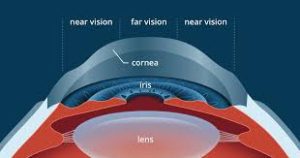
During LASIK, a thin circular flap is created on the cornea’s surface, folded back so the laser can reshape the underlying tissue, and then repositioned. A flap wrinkle—clinically known as a stria—occurs when that flap doesn’t settle back perfectly flat. Instead, it develops one or more creases, similar to how a sheet of cling film might wrinkle when you try to lay it flat on a surface.
These folds distort the smooth optical surface of the cornea, which can scatter light and degrade the quality of vision in the affected eye. The severity depends on the wrinkle’s size, location, and depth. A tiny peripheral crease may go entirely unnoticed, while a fold running through the central visual axis can cause meaningful blurriness or irregular astigmatism.
What Causes Flap Wrinkles After LASIK?
Flap wrinkles don’t happen randomly. There are specific, well-understood triggers:
- Eye rubbing after surgery—this is the most common preventable cause. Even gentle pressure on the eye in the first few days can shift or crease the flap before it has fully adhered.
- Flap slippage during healing—if the flap moves slightly from its original position during the first 24 hours, it may resettle with folds.
- Significant refractive correction—higher prescriptions require more tissue removal, which changes the curvature beneath the flap. The flap now has to conform to a different surface shape, increasing the risk of wrinkling.
- Thin or irregular flaps—flaps that are thinner than intended, or that have uneven edges, are mechanically more prone to developing striae.
- Dry eye—poor tear film in the early post-operative period can affect how smoothly the flap re-adheres to the stromal bed.
Understanding these causes is important because most of them are either preventable through good surgical technique or manageable through proper post-operative care. For a deeper look at how flap healing progresses, see our guide on LASIK flap healing stages.
How to Recognise a Flap Wrinkle
Not every post-LASIK visual disturbance is caused by a flap wrinkle—but the following symptoms, especially when they appear in one eye and not the other, warrant a prompt check-up:
- Blurred or hazy vision that doesn’t clear with blinking or eye drops
- Ghost images or shadowing around text and objects
- Irregular astigmatism that wasn’t present before surgery
- A persistent feeling that one eye is “not right” even though the other is sharp
- Increased glare or halos around lights at night
These symptoms often overlap with other early post-LASIK issues like dry eye or residual inflammation, which is why a slit-lamp examination by your surgeon is essential. Wrinkles are diagnosed visually under magnification—the folds are directly visible on the corneal surface. If you’re unsure whether your flap has shifted, our page on how to tell if your LASIK flap has moved covers the warning signs in more detail.
Microstriae vs. Macrostriae: Does the Size Matter?
Microstriae
These are fine, shallow creases in the flap that are visible under a slit lamp but don’t cross the central optical zone. Most microstriae cause no visual symptoms at all and are considered clinically insignificant. They’re documented at follow-up but typically require no intervention. Many patients have microstriae without ever knowing it.
Macrostriae
Larger, deeper folds that extend into the visual axis. These are the ones that produce noticeable symptoms—blurred vision, ghost images, or irregular astigmatism. Macrostriae almost always require treatment to restore clear vision. The good news is that treatment is well-established and highly effective when performed early. For related reading, see flap striae after LASIK.
How Are LASIK Flap Wrinkles Treated?
Flap Lift and Reposition
The primary treatment for visually significant wrinkles. The surgeon lifts the flap, smooths out the folds, and repositions it carefully using a controlled technique. This is a brief outpatient procedure, typically performed under topical anaesthesia, and the results are usually immediate. Vision improves within hours as the flap resettles without creases. Learn more about the process in our flap repositioning guide.
Hydration and Stretching Technique
For mild-to-moderate striae caught within the first few days, some surgeons use a hydration technique—the flap is gently floated with balanced saline solution, the wrinkle is teased out, and the flap is allowed to re-adhere. This avoids fully lifting the flap and works well for minor creases.
Suturing (Rare Cases)
In uncommon situations where the flap repeatedly shifts or wrinkles despite repositioning—typically in patients with unusually thin flaps or extreme corrections—temporary sutures may be placed to hold the flap in position while it heals. These sutures are removed once the flap has stabilised.
The key variable in all these approaches is timing. Wrinkles treated within the first week respond far better than those left for weeks or months, where scar tissue can form along the fold lines and make correction more complex.
Can Flap Wrinkles Be Prevented?
Most flap wrinkles are preventable. Here’s what reduces your risk:
- Do not rub your eyes for at least 4 weeks after LASIK—this is the single most important post-operative instruction.
- Wear protective eye shields while sleeping for the first week to prevent unconscious rubbing.
- Attend every scheduled follow-up—your surgeon checks flap position at 1-day, 1-week, and 1-month visits specifically to catch striae early.
- Use prescribed lubricating drops to maintain a healthy tear film, which supports smooth flap adhesion.
- Choose an experienced surgeon with a high-volume practice—consistent flap creation and repositioning technique significantly reduces complication rates.
Flapless Alternatives That Eliminate the Risk Entirely
If the concept of a corneal flap concerns you—or if you’re in a profession where eye trauma is a realistic possibility—flapless refractive procedures remove this risk altogether.
SMILE Pro extracts a small lenticule of corneal tissue through a tiny keyhole incision. No flap is created, which means flap wrinkles, flap dislocation, and flap-related dry eye are structurally impossible. SMILE Pro is increasingly popular among athletes, military personnel, and patients who simply want to avoid flap-related complications entirely.
The trade-off is that SMILE Pro currently corrects myopia and astigmatism but has more limited application for hyperopia compared to LASIK. Your surgeon can advise whether you’re a candidate based on your prescription and corneal profile.
Why Visual Aids Centre for Flap-Related Concerns
Flap wrinkles require precise diagnosis and confident management—not every clinic has the experience to handle them efficiently. At Visual Aids Centre, the team has managed post-LASIK flap complications for over three decades, including repositioning cases referred from other clinics. Whether you’re experiencing symptoms that worry you or you want a second opinion on a diagnosed stria, the clinic’s comprehensive slit-lamp evaluation and corneal topography assessment provide the clarity you need.
Concerned about your post-LASIK vision? Book an evaluation and get a definitive answer.
Conclusion
A LASIK flap wrinkle sounds worse than it usually is. Most are tiny, symptom-free creases that require no treatment. When larger folds do cause visual disturbance, the fix is well-established: a brief flap lift and reposition that resolves the issue quickly—especially when caught early. The best defence is prevention: don’t rub your eyes, attend every follow-up, and choose a surgeon whose technique minimises the risk from the start. And if flap-related concerns are a dealbreaker for you, flapless options like SMILE Pro offer a structural alternative worth considering.
Frequently Asked Questions (FAQs)
Are LASIK flap wrinkles common?
Clinically significant flap wrinkles (macrostriae) occur in roughly 0.2–1.5% of LASIK procedures. Tiny microstriae are more common but almost never affect vision.
Can a flap wrinkle fix itself?
Microstriae sometimes flatten on their own as the flap continues to heal and adhere. Macrostriae that affect vision generally do not self-resolve and need surgical correction.
How soon after LASIK can a flap wrinkle appear?
Most wrinkles develop within the first 24–72 hours. They’re typically caught at the day-one follow-up visit. Late-onset wrinkles (weeks or months later) are almost always caused by eye trauma or rubbing.
Is flap repositioning painful?
No. The procedure is performed under topical anaesthetic drops. Most patients describe mild pressure but no pain. Recovery after repositioning is similar to the initial LASIK recovery.
Does SMILE Pro eliminate the risk of flap wrinkles?
Yes. SMILE Pro doesn’t create a flap, so flap wrinkles, dislocation, and striae are structurally impossible with this procedure.
👁️ POST-LASIK FLAP MANAGEMENT REVIEWED BY
Padmashree Dr. Vipin Buckshey
Optometrist & Refractive Complication Specialist | AIIMS Graduate, 1977 | Padma Shri Honouree
Flap-related complications are among the most anxiety-inducing post-LASIK concerns patients face—and among the most straightforward to resolve when managed by an experienced clinician. Dr. Vipin Buckshey has overseen more than 250,000 laser vision correction procedures and managed flap repositioning cases spanning three decades, including referrals from other centres. His approach to flap striae emphasises early detection at structured follow-up visits and prompt intervention before scar tissue complicates the correction.
An AIIMS alumnus (1977), former President of the Indian Optometric Association, official optometrist to the President of India, and Padma Shri recipient, Dr. Buckshey founded Visual Aids Centre in 1980. His clinic’s investment in high-resolution corneal topography and anterior-segment imaging means that even subtle striae are identified and documented before they become symptomatic—giving patients the best possible outcome.