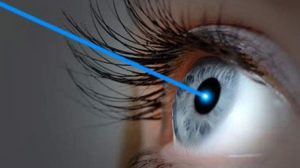

When a procedure is described as the most advanced, AI-guided laser treatment available, it seems reasonable to expect it has done away with the old steps — including the corneal flap. So patients are often surprised to learn that WaveLight InnovEyes, for all its sophistication, still creates one. Is that a limitation the technology hasn’t solved yet?
Not at all — and that’s the interesting part. The flap isn’t a leftover that InnovEyes failed to remove; it’s a deliberate, well-understood feature that the procedure keeps on purpose. This guide from Visual Aids Centre explains exactly what a corneal flap is, what it does, and why an advanced platform like InnovEyes chooses to use one rather than abandon it.
Key Takeaways
- A corneal flap is a thin, hinged layer of corneal tissue created so the laser can reshape the layer beneath it.
- WaveLight InnovEyes is an AI-guided LASIK procedure, and creating a flap is a defining part of how all LASIK works.
- The flap is kept by design, not by limitation — it enables the fast visual recovery LASIK is known for.
- InnovEyes’ innovation is in its ray-tracing precision and planning, not in removing the flap step.
- The flap is created with a femtosecond laser for accuracy, and it heals and adheres without stitches.
What Is a Corneal Flap?
A corneal flap is a thin, circular layer of tissue partially separated from the front of the cornea, left attached along one edge by a small hinge — rather like opening the cover of a book without tearing it off. The surgeon lifts this flap to reach the corneal stroma, the thick middle layer where vision correction actually happens, then lays it back down once the reshaping is complete.
The flap is shallow, typically a small fraction of the cornea’s total thickness, and the hinge keeps it anchored so it can be repositioned precisely. The middle layer it exposes is where refractive power is changed, which is why that tissue matters so much — and how that layer recovers afterwards is explained in our resource on how the cornea heals after LASIK. The flap’s careful creation and positioning are part of why issues are uncommon — the spectrum of what can occasionally go wrong is covered in our guide to LASIK flap complications.
What the Flap Actually Does
The flap has one essential job: it provides access. Light can’t reshape tissue it can’t reach, so the laser needs a way into the stroma. The flap is that doorway — created, opened, and then closed again.
But it does something just as valuable on the way out. Because the flap is replaced rather than removed, the cornea’s outer surface is largely restored immediately after surgery. That intact surface is the reason LASIK-based procedures recover so quickly, with many patients seeing clearly within a day. Compare that to surface procedures, where the outer layer is removed and must regrow over several days, and the flap’s role in fast healing becomes obvious. The flap then settles and bonds over the following weeks, which is also why a short period of rest matters early on.
How the Flap Is Created in InnovEyes
This is where InnovEyes’ precision starts to show. The flap isn’t cut with a blade — it’s created with a femtosecond laser, which uses ultra-rapid pulses of light to separate the tissue at an exact, pre-planned depth. That makes the flap far more uniform and predictable than the mechanical-blade flaps of early LASIK.
From there, InnovEyes applies its real differentiator: a treatment plan built from ray-tracing technology, which models how light travels through your entire eye to design a highly individualised correction. The way it uses artificial intelligence to fine-tune your prescription is explained in how WaveLight Plus InnovEyes uses AI to correct your power, and the science behind the precision is detailed in our piece on how ray-tracing creates precise corneal ablation profiles. The flap gets the laser in; the ray-tracing decides exactly what it does once it’s there.
Why InnovEyes Still Uses a Flap
So why not engineer the flap away entirely? Because, for a LASIK-based procedure, the flap is what delivers the benefits patients value most. Removing it would mean becoming a different category of surgery altogether, with a different set of trade-offs. The flap earns its place by providing:
- Rapid visual recovery — clear vision often within a day, because the surface is preserved.
- Minimal discomfort — far less than surface procedures, where the outer layer regrows.
- A proven, predictable approach — flap-based LASIK has one of the longest track records in modern surgery.
InnovEyes is designed to make LASIK more accurate, not to turn it into a flapless procedure. Its candidacy and suitability — including for some patients with thinner corneas — are assessed individually, as covered in whether InnovEyes suits thinner corneas.
By Design, Not by Limitation
It’s worth stating plainly, because the assumption trips up so many people: InnovEyes keeps the flap by choice, not because its engineers couldn’t remove it. Flapless procedures already exist — they’re simply a different surgical philosophy with different strengths. InnovEyes’ philosophy is to take the well-established, fast-recovering LASIK approach and make the correction itself dramatically more precise.
Thinking of the flap as a flaw misreads what InnovEyes set out to do. The platform’s entire value sits in the planning and accuracy of the treatment, not in eliminating a step that happens to work well. To see who that approach suits best, our guide on the ideal InnovEyes candidate sets out the profile clearly.
What the Flap Means for You
For most patients, the flap is a non-issue once healed — but understanding it helps set the right expectations. In the early weeks you’ll be advised to avoid rubbing your eyes and to take care with contact sports while the flap settles, which is the standard caution for any flap-based procedure and overlaps. Beyond that, recovery is quick and comfortable, and the procedure carries the well-mapped risk profile detailed in InnovEyes risks and side effects and the timeline in InnovEyes recovery time.
Conclusion
A corneal flap is the thin, hinged layer of tissue that gives the laser access to reshape the cornea — and WaveLight InnovEyes still creates one because, for a LASIK-based procedure, the flap is what delivers fast recovery, comfort, and a proven track record. Far from being a limitation the technology hasn’t overcome, the flap is a deliberate part of the design. InnovEyes’ breakthrough lives in its ray-tracing precision and AI-driven planning, not in removing a step that genuinely works. Understanding that turns “why does it still have a flap?” into “the flap is exactly why it recovers so well.”
Want to know whether flap-based InnovEyes or a flapless alternative suits your eyes? Book a consultation at Visual Aids Centre, and we’ll assess your corneas and guide you to the right choice.
Frequently Asked Questions (FAQs)
What is a corneal flap in laser eye surgery?
It’s a thin, hinged layer of corneal tissue the surgeon lifts to reach the middle layer (stroma) where reshaping happens, then lays back into place. It’s a defining feature of LASIK procedures.
Why does WaveLight InnovEyes still create a flap?
Because InnovEyes is an AI-guided LASIK procedure, and the flap is what enables LASIK’s fast recovery and comfort. It’s kept by design, not because the technology couldn’t remove it.
Is keeping the flap a sign InnovEyes is outdated?
No. InnovEyes’ advancement is in its ray-tracing precision and treatment planning, not in eliminating the flap. The flap remains because it works well for a LASIK-based approach.
How is the flap made in InnovEyes?
With a femtosecond laser, which separates the tissue at a precise depth using rapid light pulses. This is more uniform and predictable than the old mechanical-blade method.
Does the corneal flap heal completely?
The flap settles and bonds over the following weeks, with the surface restored almost immediately after surgery. You’ll be advised to avoid eye rubbing and contact sports while it heals.
If I want no flap at all, what are my options?
Flapless procedures like SMILE Pro or PRK avoid a flap entirely. They’re a different surgical approach with their own strengths — a consultation can tell you which fits your eyes.
👁️ MEDICALLY REVIEWED BY
Padmashree Dr. Vipin Buckshey
Optometrist & Post-Operative Care Specialist | AIIMS Graduate, 1977 | Padma Shri Honouree | Refractive Surgery Specialist, Visual Aids Centre
Patients frequently ask Dr. Vipin Buckshey why an advanced platform like WaveLight InnovEyes still creates a corneal flap, assuming newer must mean flapless, and he enjoys correcting that misconception at Visual Aids Centre. In four decades of refractive practice he has watched LASIK technology refine itself around the flap rather than abandon it — improving how the flap is made and, with InnovEyes, transforming the precision of what happens beneath it. His message to patients is that a well-chosen, well-executed step isn’t something to engineer away simply because it’s familiar; the flap remains because it delivers fast, comfortable recovery. The explanation in this article reflects exactly how he reframes the question for patients weighing their options. An AIIMS alumnus, Padma Shri honouree, and former President of the Indian Optometric Association, Dr. Buckshey is known for making surgical reasoning genuinely clear. Read more on our story.