Avoiding hairspray before LASIK is essential to ensure surgical precision and protect the ocular surface from airborne particles that can disrupt the laser’s accuracy. Even a small mist can affect your surgery. Learn why avoiding hairspray is critical, how it impacts your eyes, and the measures you can take to ensure a successful procedure.
This guide explains why hairspray can interfere with LASIK, the steps to avoid it, and how it contributes to a safer and more effective surgery.
Key Takeaways
- Avoiding hairspray prevents airborne particles from affecting the laser’s precision during LASIK surgery.
- Hairspray chemicals can irritate the eyes, leading to discomfort and potentially compromising surgical results.
- Maintaining a clean ocular surface is vital for laser mapping and corneal reshaping.
- Switch to non-aerosol hair products at least 24 hours before LASIK to minimize risks and ensure optimal conditions for surgery.
How Hairspray Can Affect LASIK Surgery?
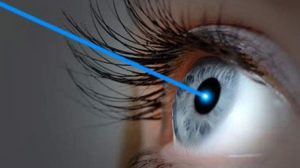
Hairspray releases tiny airborne particles that can settle on the ocular surface, interfering with the precision of the LASIK laser. Even microscopic debris can disrupt the laser’s ability to reshape the cornea accurately. The chemical ingredients in hairspray, such as alcohol and fragrances, can also dry out the eye, compromising the moisture balance required for accurate laser tracking.
The Role of Eye Protection and Sterile Conditions
LASIK surgery requires a sterile environment. The presence of contaminants, including hairspray particles, compromises this sterile field, increasing the risk of complications. Avoiding hairspray ensures that the ocular surface is clean and dry, reducing the need for additional cleaning and allowing the surgical team to work efficiently.
Timing: When to Stop Using Hairspray
Surgeons recommend stopping hairspray use at least 24 hours before LASIK to ensure that any residue has dissipated. Hairspray applied the night before may still cause particles to settle near the eyes during sleep. Using non-aerosol products during the week leading up to surgery further reduces the risk of contamination.
Hairspray, Tear Film, and Eye Moisture
Hairspray can disrupt the tear film, which plays a crucial role in maintaining corneal moisture and ensuring precise laser mapping. Dry eyes can lead to issues during the procedure, including reduced laser accuracy and increased risk of complications. Keeping the tear film stable by avoiding hairspray is key to successful LASIK surgery.
Practical Tips for Hair Care Before LASIK
- Switch to gel, mousse, or leave-in creams instead of aerosol hairsprays.
- Style your hair at least one day before surgery to avoid particle contamination.
- Avoid scented sprays and dry shampoos that may release particles.
- Keep your hair tied back to prevent loose strands from near your eyes during the procedure.
Anxiety, Movement, and Surgical Precision
Hairspray can cause irritation, leading to eye movements or blinking during the procedure, which can impact LASIK precision. Avoiding hairspray helps reduce these discomforts, promoting a calm and focused state, which is essential for a smooth surgical process.
Post-Operative Recovery and Residual Irritation
Hairspray residue post-surgery can irritate the healing cornea, causing dryness and potentially delaying recovery. To promote faster healing, avoid aerosol products for at least 48 hours after LASIK.
Key Steps to Protect Eyes From Hairspray Before LASIK
- Switch to non-aerosol styling products at least one week before surgery.
- Shampoo and style your hair well in advance of surgery to allow any residual particles to clear.
- Follow your surgeon’s hygiene instructions to minimize contamination.
What to Avoid in the 24 Hours Before LASIK
Avoid aerosol hairsprays, dry shampoos, perfumes, and any products that may release particles into the air near your eyes. These can interfere with the precision of the LASIK procedure.
How Surgeons Minimize Contamination During LASIK?
During LASIK, surgical teams take several steps to maintain sterility, including protective drapes around the eyes and air filtration systems. Patient compliance with pre-surgery guidelines, such as avoiding hairspray, helps enhance these safety measures and ensures optimal surgical outcomes.
Small Changes, Big Impact on LASIK Success
Avoiding hairspray is a small but crucial step to improve LASIK accuracy and recovery. Even minor contamination can impact flap creation, laser precision, and tear film stability. Patients who follow this guideline experience smoother procedures and quicker recovery.
Frequently Asked Questions About Hairspray and LASIK
Can a tiny amount of hairspray really affect LASIK?
Yes, even minimal airborne particles can settle on the ocular surface, affecting laser accuracy and tear film stability.
Are hair gels or creams safe before surgery?
Yes, non-aerosol products that do not release particles near the eyes are safe alternatives.
How long should I avoid hairspray before LASIK?
Most surgeons recommend at least 24 hours. Some suggest a few days for added safety.
Can post-operative hairspray use affect healing?
Yes, aerosol sprays can irritate the healing cornea, cause dryness, and slow epithelial recovery.
What about dry shampoo or perfume?
Dry shampoo can release fine particles, and perfume may irritate eyes. Avoid both before surgery for optimal safety.