
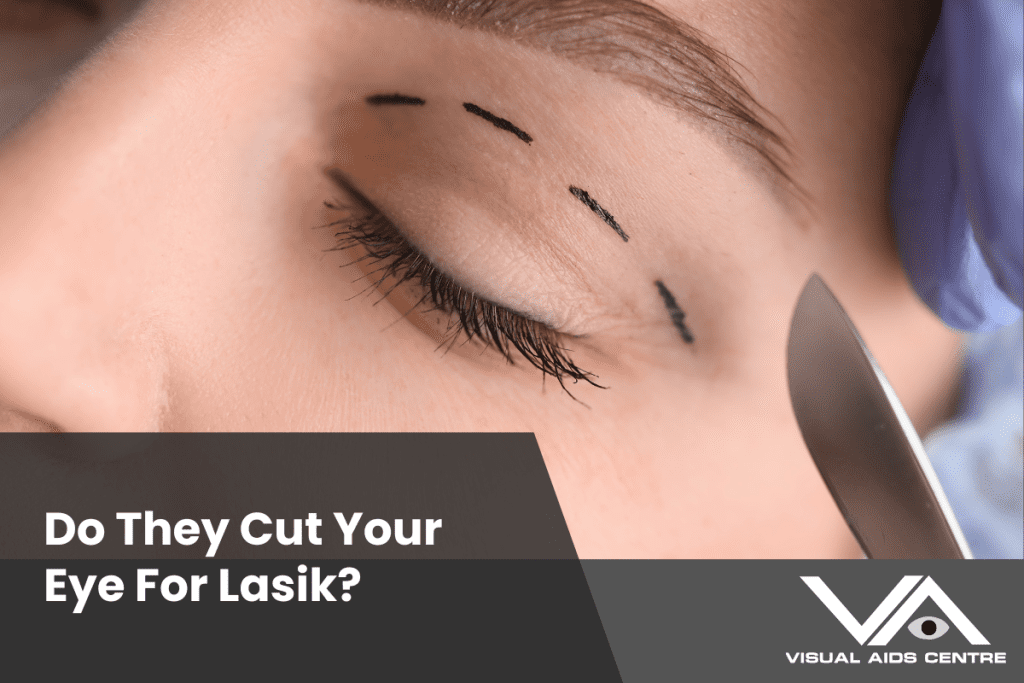
Yes, LASIK involves reshaping your cornea by creating a flap in its outer layer. However, this process is precise, safe, and minimally invasive.
But before you jump to conclusions, here is everything you need to know about how LASIK works, the technology behind it, and what it means for your eyes.
LASIK (Laser-Assisted in Situ Keratomileusis) is one of the most advanced and popular procedures for correcting vision problems like myopia (nearsightedness), hyperopia (farsightedness), and astigmatism. While the word “cut” may sound intimidating, the reality is that this step is performed with incredible accuracy, using lasers rather than traditional surgical blades.
Let’s go deeper into exactly what happens during LASIK surgery, whether it’s suitable for you, and why you don’t need to fear the process.
How is the eye cut during LASIK?
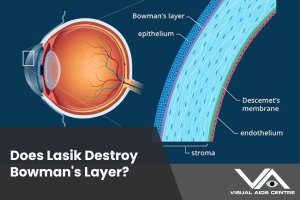
The term ‘cut’ refers to creating a thin, hinged flap on the cornea (the transparent front layer of your eye). This flap is not made with knives or scalpels but is created with a femtosecond laser, a highly precise and advanced laser technology. Here’s how it works:
- Creating the corneal flap: The surgeon uses a highly precise laser to make a thin, hinged flap in the outer layer of the cornea. This flap is like opening a book cover, allowing the surgeon to access the inner corneal tissue.
- Reshaping the cornea: After the flap is lifted, an excimer laser reshapes the underlying corneal tissue. This reshaping corrects the way light is focused onto the retina, resulting in clearer vision.
- Securing the flap: The flap is gently placed back into its original position post-surgery. It naturally adheres to the cornea, without the need for stitches, and begins to heal almost immediately.
This process ensures that your surgeon can access and adjust the corneal tissue without damaging the eye’s delicate outer surface. It also makes LASIK much more comfortable compared to older techniques.
Why is the corneal flap important in LASIK?
The creation of the corneal flap is the hallmark of LASIK and sets it apart from other vision correction procedures. It plays several crucial roles:
- Minimising discomfort: By lifting the flap rather than removing corneal tissue entirely, LASIK reduces discomfort during and after the procedure.
- Enabling quick recovery: The flap serves as a natural bandage, protecting the treated area, which promotes faster healing.
- Preserving vision quality: Thanks to the flap, LASIK achieves high levels of accuracy while reducing the risk of haze or irregularities in the cornea.
Does LASIK always involve cutting?
Yes, but not all “cuts” are the same. Modern LASIK procedures use bladeless methods, meaning no surgical blades come into contact with your eyes. This has revolutionised the safety and comfort of the surgery.
However, if the idea still makes you squeamish, there are alternative vision correction procedures, like PRK (Photorefractive Keratectomy). PRK does not involve creating a flap; instead, it removes the outermost layer of the cornea entirely. While PRK is effective, it usually has a longer recovery time compared to LASIK.
Is cutting the eye safe for LASIK?
Understandably, the thought of cutting near your eye raises concerns. But LASIK is one of the safest elective procedures, with over 95% of patients achieving their desired vision correction.
Here’s what makes the process safe:
- Highly controlled lasers guide the creation of the flap with micron-level precision, reducing risks.
- Experienced surgeons perform the procedure in sterile, specialised environments.
- Extensive pre-operative evaluations ensure that candidates are suitable for LASIK, ruling out any potential complications.
Millions of LASIK surgeries have been successfully performed worldwide, with minimal risks involved when performed by qualified surgeons in controlled environments.
What happens if the corneal flap doesn’t heal properly?
The corneal flap is designed to naturally reattach and heal after the surgery. Complications with the flap are extremely rare due to the advanced systems in place. However, your surgeon will provide strict post-operative care instructions to minimise any risks. For example:
- Don’t rub your eyes for at least two weeks post-surgery.
- Use prescribed eye drops to prevent dryness or infection.
- Avoid contact sports or swimming pools until healed.
Following these instructions can significantly reduce the risk of complications and ensure a smooth recovery.
What are the benefits of LASIK cutting techniques?
The use of lasers in LASIK surgery has improved outcomes for millions of people. Here’s why the cutting technique is so beneficial:
- Precision
Femtosecond lasers create ultra-thin flaps with exact thickness that can be tailored to your eye’s shape.
- Minimally invasive
The corneal layers beneath the flap remain undisturbed, which is why minimal discomfort is felt during the process.
- Short procedure time
The entire process, from creating the flap to reshaping the cornea, takes only about 15 minutes for both eyes.
- Quick visual recovery
Many patients report improved vision within 24–48 hours after surgery.
- Customisation
Advanced laser systems allow for personalisation, ensuring that the treatment is specific to your eye’s unique curvature and focus points.
How do I know if I’m eligible for LASIK?
Not everyone is a candidate for LASIK. Here are some criteria to help assess whether it’s right for you:
- You must be at least 18 years old.
- Your prescription must be stable for over a year.
- You should not have certain conditions like thin corneas, severe dry eyes, or specific medical issues (e.g., diabetes or autoimmune disorders).
Before surgery, you’ll undergo a comprehensive consultation with your ophthalmologist to evaluate your eligibility.
Is LASIK worth it despite the corneal cut?
For most people, LASIK is life-changing. Not only does it provide an alternative to glasses or contact lenses, but it also offers freedom and convenience. While the procedure involves “cutting your eye,” the benefits far outweigh this brief step:
- Improved vision without the hassles of eyewear.
- Long-lasting results.
- Enhanced quality of life, whether it’s for sports, travelling, or daily activities.
Ultimately, LASIK is an investment in your vision, and modern techniques ensure the process is as safe and comfortable as possible.
Preparing for a LASIK consultation
If you’re considering LASIK but still have questions about the corneal cutting process, reach out to an experienced LASIK provider. Prepare your questions in advance so no stone is left unturned. You can inquire about:
- The type of laser technology they use.
- Their experience with LASIK procedures.
- Possible risks, benefits, and realistic expectations.
This will assist you in making a well-informed decision regarding whether LASIK is the most suitable option for your needs.
Final Thoughts on LASIK and Eye Cutting
Yes, LASIK involves creating a flap by cutting the eye’s corneal surface, but it is a highly precise and safe process. This step is key to its success, enabling quick recovery and exceptional vision correction. With advancements in laser technology, the procedure is more accessible and comfortable than ever before.
If you’re ready to see the world more clearly without the hassle of glasses or contact lenses, LASIK might just be your perfect solution. Speak to a qualified ophthalmologist to explore the possibilities and take the first step toward clearer vision.