
The short answer is no — not right away. Vaping after LASIK introduces chemical irritants, dries out an already vulnerable ocular surface, and raises infection risk at the worst possible moment in your recovery. If you’re a regular vaper planning eye surgery, here’s exactly what you need to know.
LASIK reshapes your cornea through a precise flap or small-incision technique, and for the first one to two weeks your eyes are in a critical healing window. During that period, the chemicals in e-cigarette vapour — nicotine, propylene glycol, vegetable glycerine, flavouring compounds — can disrupt tear production, irritate exposed corneal tissue, and slow down the recovery that determines your final visual outcome. This guide covers the specific risks, the recommended timeline for resuming, and practical alternatives that won’t compromise your results. The same principles apply whether you had LASIK in Delhi or anywhere else.
Key Takeaways
- Avoid vaping for at least 1–2 weeks after LASIK; longer is better if you can manage it.
- Nicotine constricts blood vessels and reduces tear production — both counterproductive to corneal healing.
- Propylene glycol in e-liquids actively dehydrates mucous membranes, worsening post-LASIK dry eye.
- Nicotine patches or gum are safer substitutes during recovery since they bypass the eyes entirely.
Why Post-LASIK Recovery Demands Extra Caution
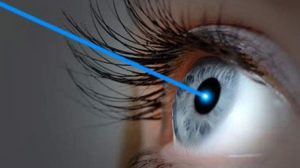
During LASIK, your surgeon creates a thin corneal flap, reshapes the underlying stroma with an excimer laser, and repositions the flap. That flap needs time to re-adhere and the surface epithelium needs to regenerate. For a full picture of how flap healing progresses stage by stage, the first 48–72 hours are the most delicate — but meaningful tissue remodelling continues for weeks.
Anything that introduces irritants, reduces tear quality, or increases the chance of infection during this window can directly affect your visual outcome. That’s why surgeons provide a detailed list of post-operative restrictions — and why vaping belongs on that list alongside smoking, dusty environments, and swimming pools.
How Vaping Specifically Harms Healing Eyes
Nicotine Constricts Blood Vessels
Nicotine — whether from cigarettes, vapes, or hookah — narrows blood vessels throughout the body, including the fine vasculature that supplies the ocular surface. Reduced blood flow means fewer nutrients and less oxygen reaching the healing cornea. This is the same reason surgeons advise against nicotine use before LASIK too — it affects wound healing in both directions.
Propylene Glycol Dries Out the Eyes
Propylene glycol (PG) is a humectant that forms the base of most e-liquids. Paradoxically, while it holds moisture inside the device, it pulls moisture away from mucous membranes on contact — including the tear film. After LASIK, your corneal nerves are temporarily disrupted, which already reduces natural tear production. Adding PG vapour to the equation makes an existing dry eye problem significantly worse. If you’re already prone to dryness, this combination can push you toward chronic post-LASIK dry eye.
Vapour Chemicals Irritate the Corneal Surface
E-cigarette aerosol isn’t just water vapour. It contains volatile organic compounds, flavouring aldehydes, and ultrafine particles that settle on the ocular surface. On healthy eyes, your blink reflex and tear film flush these away. On post-surgical eyes with a healing flap and reduced tear turnover, these chemicals linger longer and cause more damage.
Elevated Infection Risk
The corneal flap creates a temporary entry point for bacteria. Vaping near your face deposits airborne particles in the periorbital area, and touching the device and then your face increases germ transfer. Your surgeon will already have prescribed antibiotic drops to guard against infection — but avoiding unnecessary contamination sources is equally important.
How Long Should You Avoid Vaping After LASIK?
Most surgeons recommend abstaining from vaping for a minimum of one to two weeks after LASIK. This covers the period when the corneal flap is most vulnerable and when dry eye symptoms tend to peak. For a broader sense of the full timeline, our guide on LASIK healing duration breaks down what happens at each stage.
That said, longer is better. If you can hold off for three to four weeks, you give your corneal nerves more time to regenerate — which directly improves tear production and reduces your sensitivity to irritants. Heavy vapers or patients who already had borderline dry eye before surgery should discuss an extended timeline with their doctor. The number of rest days needed varies by individual, and your vaping habits are a factor your surgeon should know about.
Practical Tips for Vapers During Recovery
Tell Your Surgeon Before the Procedure
Be upfront about your vaping frequency and nicotine strength. This isn’t about judgement — it helps your surgeon tailor your pre- and post-operative plan. They may adjust your pre-surgery medication list or prescribe more aggressive dry eye management from the start.
Stock Up on Preservative-Free Artificial Tears
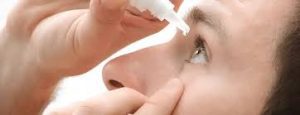
Dry eye is the single biggest overlap between LASIK recovery and vaping side effects. Use preservative-free drops liberally — before you feel dryness, not after. Your surgeon will recommend a specific brand and schedule.
Avoid Secondhand Vapour Too
This is easy to overlook. If you live with other vapers or spend time in enclosed spaces where people vape, the secondhand aerosol can irritate your eyes just as much as your own device. Treat your recovery environment the way you would after any eye procedure — keep it clean, ventilated, and free of airborne irritants. The same logic applies to going outside after LASIK in polluted or dusty conditions.
Stay Hydrated
Both nicotine and propylene glycol are dehydrating. Drink more water than usual during your recovery to support tear production from the inside. Pairing hydration with omega-3 supplementation> can further support tear film quality.
Safer Alternatives to Vaping While You Heal
If going cold turkey on nicotine isn’t realistic for you, there are alternatives that don’t send chemicals toward your eyes. Nicotine patches deliver a steady dose through the skin — no vapour, no eye contact. Nicotine gum or lozenges work similarly. These options still carry the vascular effects of nicotine (reduced blood flow), but they eliminate the direct ocular irritation from inhaled aerosol, which is the bigger risk during recovery.
For patients who vape primarily for the habit rather than the nicotine, consider redirecting the oral fixation: chewing gum, snacking on something crunchy, or using a flavoured toothpick. It sounds simple, but a two-week break is very manageable when your motivation is protecting a procedure you’ve invested significant time and money in. If you’re also wondering about other substances, we cover edibles after LASIK and smoking after LASIK separately.
When to Contact Your Surgeon
Regardless of whether you’ve vaped during recovery, contact your eye care provider immediately if you experience persistent burning or stinging that doesn’t improve with drops, a sudden increase in redness or swelling, noticeable discharge from the eye, worsening or fluctuating vision, or unusual light sensitivity that intensifies rather than fades.
These could indicate an inflammatory reaction, dry eye complication, or early infection — all of which are treatable when caught early. Learn more about whether burning sensations after LASIK are normal so you know the difference between typical healing and something that needs attention.
Long-Term Considerations for Vapers
Even after your cornea has healed, chronic vaping can contribute to ongoing dry eye symptoms and reduced tear film stability. Patients who’ve had LASIK may notice these effects more acutely than they did before surgery, since the procedure permanently changes corneal nerve density to some degree. Regular follow-up appointments with your ophthalmologist — and being honest about your habits — will help you manage any long-term effects and keep your vision in top shape.
If you’re still in the planning stages and want to understand all the lifestyle factors that affect candidacy, our guide to LASIK contraindications covers the full picture.
Conclusion
Vaping after LASIK is a clear “not yet” rather than a permanent “never.” The chemicals in e-cigarette vapour — nicotine, propylene glycol, flavouring compounds — directly interfere with the three things your eyes need most during recovery: adequate tear production, a clean healing environment, and uninterrupted blood flow to the cornea. By abstaining for at least one to two weeks (and ideally longer), you protect your investment and give your eyes the best possible chance at a sharp, comfortable outcome.
If you’re a vaper considering LASIK and want personalised pre-operative advice on managing your habits around surgery, book a consultation at Visual Aids Centre. Our team will factor your lifestyle into a recovery plan that works for you.
Frequently Asked Questions (FAQs)
Can I vape the same day as LASIK surgery?
No. Your eyes are at their most vulnerable in the first 24–48 hours. Vaping immediately after surgery significantly increases the risk of irritation, dryness, and infection.
Is vaping worse than smoking cigarettes after LASIK?
Both are harmful, but in different ways. Cigarette smoke contains more combustion byproducts and tar, while vape aerosol contains propylene glycol that actively dries mucous membranes. Neither should be used during recovery.
Can secondhand vape affect my eyes after LASIK?
Yes. Secondhand vapour contains the same irritating chemicals. Avoid enclosed spaces where others are vaping for at least the first two weeks post-surgery.
Will nicotine patches slow my LASIK healing?
Nicotine in any form constricts blood vessels, which can slow healing slightly. However, patches eliminate the direct eye exposure to aerosol chemicals, making them a much safer option than vaping during recovery.
How long until I can vape normally after LASIK?
Most surgeons recommend at least one to two weeks. If you experienced significant dry eye symptoms, waiting three to four weeks is advisable. Always follow your surgeon’s individual guidance.
Does vaping affect LASIK results permanently?
Vaping during the critical healing window can delay recovery and worsen dry eye, potentially affecting short-term results. Once healed, occasional vaping is unlikely to alter your surgical outcome, though chronic use may contribute to ongoing dryness.
👁️ MEDICALLY REVIEWED BY
Padmashree Dr. Vipin Buckshey
Optometrist & Post-Operative Care Specialist | AIIMS Graduate, 1977 | Padma Shri Honouree
With over four decades of clinical experience and more than 250,000 laser vision correction procedures overseen at Visual Aids Centre, Dr. Vipin Buckshey has guided thousands of patients through post-operative lifestyle adjustments — including managing substance use around surgery. An AIIMS alumnus, former President of the Indian Optometric Association, and official optometrist to the President of India, Dr. Buckshey ensures that recovery protocols at the centre account for real-world patient habits, not just textbook instructions.