
There’s no single “best” between Trans PRK, LASIK, and SMILE — each reshapes your cornea differently, and the right one depends on your corneal thickness, lifestyle, and what you’re planning to do with your eyes for the next few decades, not just how fast you want to recover. This guide skips the generic pros-and-cons list and gets into the data that actually changes a decision: real comparative safety numbers, why some pilots and soldiers are steered toward one procedure specifically, and which option leaves you the most room if you ever need a touch-up years later.
Key Takeaways
- All three are genuinely safe, but their risk profiles differ in measurable, specific ways — not just “low,” “moderate,” “minimal.”
- SMILE shows the lowest comparative ectasia risk in published data, followed by PRK/Trans PRK, with LASIK highest — though all three remain low in absolute terms.
- Trans PRK preserves the most corneal tissue, which matters if you might need an enhancement years down the line.
- Flap-free procedures are often preferred for pilots, soldiers, and police specifically because there’s no flap to displace under G-force, impact, or combat trauma.
- SMILE shows measurably better refractive predictability and fewer optical aberrations than LASIK in direct comparison studies — including a real factor in night-time glare and halos, not just anecdote.
- Thin or borderline corneas often decide this for you before lifestyle preferences even enter the conversation.
What Each Procedure Actually Does to Your Cornea
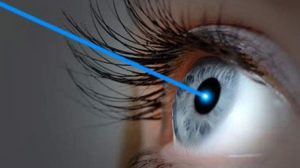
Trans PRK removes the corneal epithelium with the laser itself (no blade, no touch) and reshapes the surface directly underneath — entirely flapless. LASIK cuts and lifts a thin corneal flap, reshapes the tissue beneath it with an excimer laser, then repositions the flap as a natural bandage. SMILE uses a femtosecond laser to carve a small lenticule inside the cornea and removes it through a 2–4mm incision — no flap, minimal surface disruption.
| Feature | Trans PRK | LASIK | SMILE |
|---|---|---|---|
| Flap created | No | Yes | No |
| Functional vision recovery | 1–4 weeks | 1–2 days | 2–4 days |
| Myopia range | Up to -10D | Up to -12D | Up to -10D |
| Hyperopia correction | Up to +3D | Up to +6D | Not currently indicated |
Safety and Precision: The Data Behind the Marketing
Most comparisons stop at “low/moderate/high” risk labels. Here’s what the actual published numbers show.
| Data Point | Finding |
|---|---|
| Post-surgical ectasia incidence (no pre-existing risk factors) | LASIK ~90/100,000 eyes; PRK ~20/100,000; SMILE lowest at ~11/100,000 |
| Refractive predictability at 6 months (within ±0.50D of target) | SMILE 96.3% of eyes vs. LASIK 83.8%, in one direct comparison study |
| Overall LASIK flap complication rate | 0.73% of eyes; sight-threatening complications specifically just 0.07% |
Sources: systematic review, Ophthalmology and Therapy, 2021; CRSToday, “SMILE: Latest and Limits”; 2025 peer-reviewed flap-complication review.
None of this makes LASIK unsafe — 0.73% flap complications means over 99% of eyes have none. But it does mean the risk profiles are genuinely different, not interchangeable, and worth weighing against what actually matters for your eyes and your life.
Night Vision and Glare: What the Aberration Data Shows
“Will I see halos driving at night?” is one of the most common worries in every consultation, and it’s rarely answered with actual data. Studies measuring higher-order aberrations — the subtle optical distortions responsible for halos and glare — found SMILE induced fewer of them than both standard LASIK and femtosecond LASIK at 6 months post-op. A separate 5-year comparison of SMILE against femtosecond LASIK found SMILE performed significantly better on safety measures at 6 months, 1 year, and 2 years, with visual acuity outcomes favouring SMILE through the first 1–3 years specifically. Trans PRK’s surface-level correction typically produces low glare with modern wavefront-guided lasers too, though initial healing can temporarily affect night vision more than either flap-based option.
This doesn’t settle the question outright — individual healing varies more than any average — but our guides on how long halos last after LASIK and whether SMILE Pro affects night vision go deeper into what to expect from each.
Why Pilots, Soldiers, and Police Are Often Steered Toward Trans PRK
This is the part most comparison articles skip entirely, and it’s genuinely useful if a government or aviation medical is anywhere in your future. Because Trans PRK creates no corneal flap, multiple international aviation and military medical authorities have historically favoured it, or flapless procedures generally, for aircrew and combat roles — the concern being a LASIK flap shifting under high G-forces, rapid decompression, ejection, or blunt impact. Naval aviation programs, for instance, have specifically flagged this as a reason PRK remains the more broadly accepted option across aircrew, even as flap-stability techniques have improved. If a specific force or service is your target, this decision isn’t really about preference — it’s about their standards. Our guides on LASIK eligibility for DGCA Class 1 pilots and LASIK standards for Indian Army recruitment cover exactly what each authority requires.
Which Procedure Leaves You the Most Options Later
A question almost nobody asks upfront: what happens if your vision shifts and you need a touch-up in ten years? This is where Trans PRK has a genuine structural advantage — because it never cuts a flap or removes a lenticule from within the tissue, it preserves more of your cornea’s total structure for a future retreatment. LASIK and SMILE both use some of your available corneal tissue budget the first time around, which can matter if you’re starting with a higher prescription. Our guide on what a LASIK touch-up actually involves covers how this plays out in practice for patients revisiting their options years later.
Which One Fits Your Eyes and Life?
| Your Situation | Likely Direction |
|---|---|
| Standard corneal thickness, moderate prescription, want the fastest recovery | ✅ LASIK is usually well-suited |
| Thinner or borderline cornea, active/contact-sport lifestyle, or considering a career with flap restrictions | ⚠️ Trans PRK or SMILE are worth prioritising in your consultation |
| Very thin cornea, irregular topography, or unstable prescription | ❌ May need further evaluation before any of the three — worth a dedicated screening first |
Corneal thickness alone can settle this before lifestyle preferences even matter; our pages on minimum thickness for SMILE and thickness requirements for LASIK cover the actual numbers surgeons work from.
Common Worries, Procedure by Procedure
| Concern | Trans PRK | LASIK | SMILE |
|---|---|---|---|
| Night halos/glare | Low with modern lasers; more variable during initial healing | Slightly more induced aberration than SMILE in comparative studies | Fewest induced aberrations in comparative data |
| Pain in the first few days | Moderate — the main trade-off of this procedure | Minimal | Minimal |
| Both eyes same day? | Usually yes, commonly done | Usually yes, though bilateral same-day carries its own considerations worth discussing | Usually yes, commonly done |
| Long-term dry eye | Lower — fewer nerves disrupted | Higher relative risk from flap and ablation combined | Lower — fewer nerves disrupted |
If Your Priority Is X, Here’s What Usually Fits
| Your Priority | What Usually Fits |
|---|---|
| Fastest possible return to work or driving | LASIK — functional vision in 1–2 days |
| Lowest measured ectasia risk in published data | SMILE, followed closely by Trans PRK/PRK |
| Meeting a specific pilot, defence, or police medical standard | Trans PRK — check the specific authority’s requirement first, not just general preference |
| Keeping maximum tissue available for a future enhancement | Trans PRK, due to preserving the most corneal structure |
| Higher prescription correction in one procedure | LASIK — widest treatable range of the three |
Bottom Line
Trans PRK, LASIK, and SMILE are all genuinely safe, effective procedures — the real decision isn’t which is universally “best,” it’s which one’s specific risk profile, recovery trade-offs, and candidacy requirements actually match your eyes and your life. Corneal thickness often narrows this down before preference even enters the conversation, and if a specific career medical standard applies to you, that can settle it outright.
Not sure which category you fall into? book a consultation at Visual Aids Centre — a proper corneal workup tells you which options are actually on the table, not just which sounds best in theory.
Frequently Asked Questions
Which procedure is the safest?
By comparative ectasia incidence in published data, SMILE ranks lowest, followed by PRK/Trans PRK, with LASIK highest — though all three carry low absolute risk with proper screening.
Will I need glasses after surgery?
Most patients achieve clear distance vision without glasses, though reading glasses later in life (presbyopia) are a separate, age-related change unrelated to which procedure you choose.
Is one procedure less painful than the others?
Trans PRK typically involves more discomfort in the first 2–3 days; LASIK and SMILE are usually more comfortable in the immediate recovery window.
Which procedure has the least risk of halos or night glare?
Comparative studies measuring optical aberrations found SMILE induced fewer than LASIK — a real, measured factor, not just individual variation.
Can I have surgery if I have dry eye?
Often yes — SMILE and Trans PRK disrupt fewer corneal nerves than LASIK, which is why they’re frequently preferred for patients with a dry eye history.
Which procedure is best if I might need a touch-up later?
Trans PRK generally preserves the most corneal tissue for a future enhancement, since it doesn’t use a flap or remove an internal lenticule.
👁️ MEDICALLY REVIEWED BY
Padmashree Vipin Buckshey
BS Optometry | AIIMS Graduate, 1977 | Padma Shri Honouree | Official Optometrist to the President of India | Laser Vision Correction Specialist & Founder, Visual Aids Centre
Matching a patient’s actual corneal profile and life plans to the right procedure, rather than defaulting to whichever is most requested, is a judgment call Vipin Buckshey makes at nearly every consultation across all three technologies. He founded Visual Aids Centre in 1980 — the first eye centre in Delhi to introduce LASIK surgery in 1999 — and has overseen 250,000+ Laser Vision Correction procedures across a 45-year career, spanning Trans PRK, LASIK, and SMILE Pro candidacy assessments. The comparative data in this article reflects published ophthalmology literature, not a proprietary ranking of one technology over another. Read more at our story.