Lasik
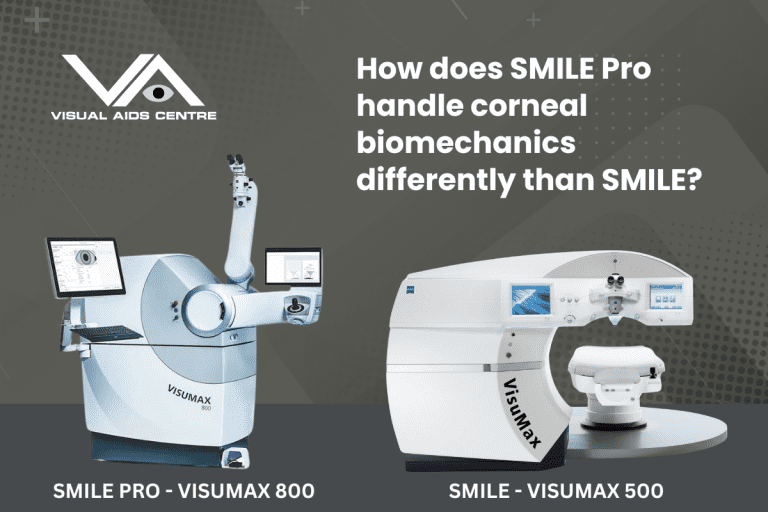
How Does SMILE Pro Handle Corneal Biomechanics Differently Than SMILE?
SMILE Pro handles corneal biomechanics differently than SMILE by using a faster laser, finer incisions, and improved alignment tools that may reduce tissue stress and


SMILE Pro handles corneal biomechanics differently than SMILE by using a faster laser, finer incisions, and improved alignment tools that may reduce tissue stress and
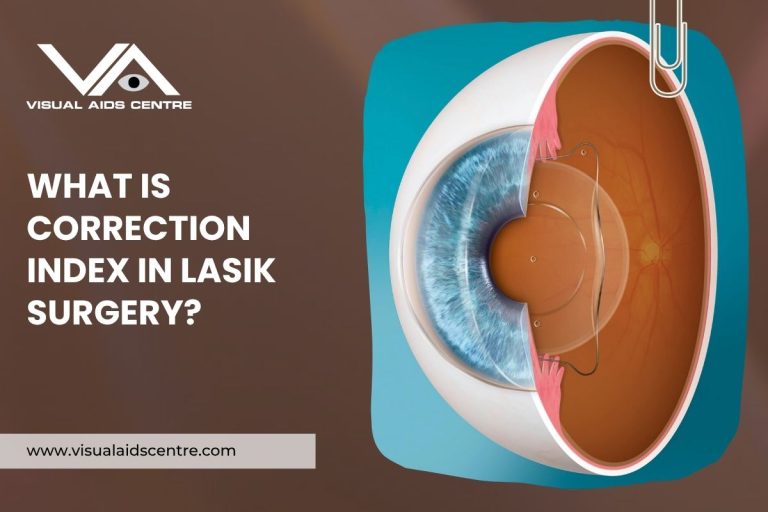
The correction index in LASIK surgery is a metric that compares the amount of astigmatism actually corrected by the procedure to the amount that was
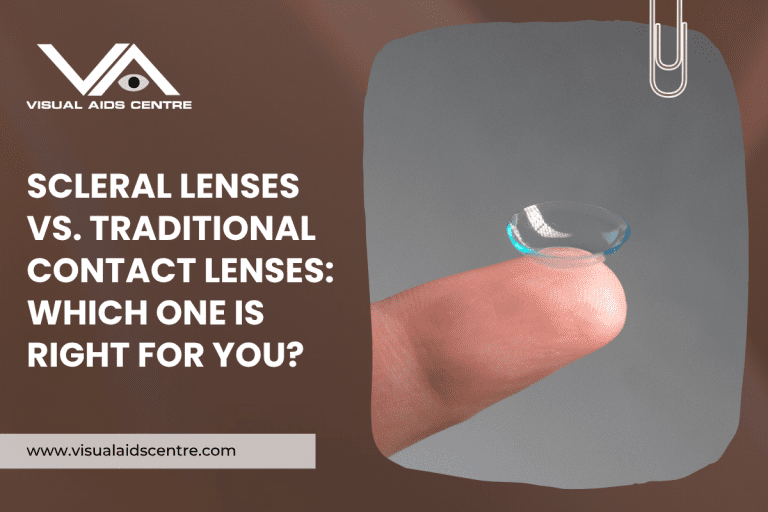
Scleral lenses and traditional contact lenses both correct vision, but they differ in comfort, fit, and who benefits most. The right choice depends on your
Trans PRK (Transepithelial Photorefractive Keratectomy) is a modern, no-touch laser eye surgery that reshapes the cornea to correct vision problems, without cutting a flap or
Scleral lenses can significantly enhance vision for people with irregular corneas by offering a smooth optical surface and greater comfort than standard lenses typically provide.
C3R is the best way to slow/stop keratoconus from worsening. Other options like contact lenses, Intacs, and corneal transplants focus on vision correction or severe

Scleral lenses are ideal for patients with dry eyes because they create a protective, moisture-rich barrier over the cornea, offering both comfort and clear vision
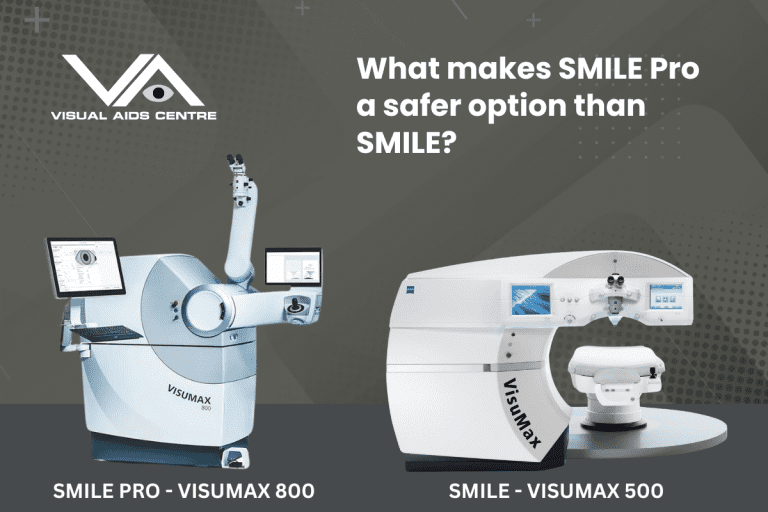
SMILE Pro is a safer option than SMILE because it uses advanced laser technology, faster treatment times, and AI-guided precision to reduce complications and deliver
You can keep your eyes healthy after LASIK by following your surgeon’s advice, protecting your eyes from irritants and UV light, and maintaining good daily
High IgE (Immunoglobulin E) levels can potentially affect LASIK eye surgery, but they don’t automatically disqualify you from the procedure. However, having elevated IgE levels