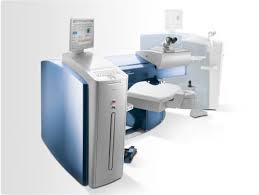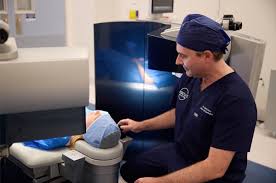

Smile PRO: What Is It?
The robotic surgical technology used during this minimally invasive treatment needs 10 seconds. More than 50 lakh eyes have been treated with SMILE due to it. Because it goes beyond other more traditional LVC procedures like LASIK or contoura vision, millennials today favor SMILE PRO. So, What Are the Advantages of Smile Pro Eye Surgery? Let’s check!
In addition to PRK and LASIK, the most recent development in laser vision correction impresses with its generally outstanding visual outcomes and rapid recovery times and is advantageous for those who lead active lifestyles.
What Are the Advantages of Smile Pro Eye Surgery?
Small Incision Lenticule Extraction is abbreviated as SMILE, and Refractive Lenticule Extraction is abbreviated as ReLEx. Both short-sightedness with and without astigmatism can be treated with SMILE Pro eye surgery.
The benefits of the SMILE Pro procedure are comparable to those of other widely used procedures like LASIK surgery. Still, there is a significant treatment difference: there is no need for a corneal flap, reducing the possibility of problems.
No danger of the flap shifting, folding, dislocating, or migrating results from this, and the cornea is more stable over the long term and is less likely to develop dry eyes. Without outside interference, the procedure is conducted in a closed atmosphere. The precision increases because it is unaffected by environmental factors, including humidity, drafts, and temperature.
Rapid Diagnosis:
Each eye receives the ReLEx SMILE treatment in less than 15 minutes, and only a brief period is spent using the laser. It is the greatest solution for individuals who are hesitant or worried about having a laser treatment.
Rapid Recovery:
ReLEx SMILE recovered even faster after laser eye surgery, which has always had exceptionally quick recovery rates. Most patients discover that their vision has significantly improved within only a few hours, and many of them saw improvement within a few weeks. Most patients return to regular lives within a day or two of treatment.
Enhanced stability:
With this procedure, no flap is formed, and only a little incision into the corneal tissue is required. The recovery times are quicker, and the cornea’s stability is improved. The surgical treatment should be as minimally intrusive as possible for best results.
A low likelihood of complications:
SMILE Pro is setting the bar for safety in surgical procedures, even though LASIK and laser eye surgery are among the safest you can have. The risk of this sort of surgery is low due to the minimally fast-growing nature of the procedure, and there’s even less likelihood of having adverse effects like dry eyes.
Reduced discomfort:
Because this procedure employs no flaps and only a tiny incision, there is less chance of dry eyes developing, and the healing process is sped up. In summary, it all results in less discomfort during the entire process.
Greater chance of being eligible:
If you have already been informed that you are ineligible for LASIK eye surgery, other choices may still be available. SMILE Pro eye surgery is more accessible to patients than other laser eye procedures, so speak to your eye doctors to find out whether it’s a good fit for you.
What Happens During SMILE Pro Eye Surgery?
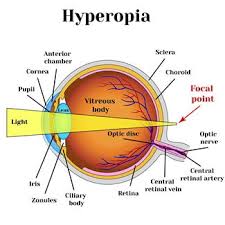
Reshaping the cornea is how SMILE Pro corrects refractive defects. Your eye doctor will modify the shape of your cornea with a laser. Your vision will be improved due to the right focus of light on your retina. You may not require contact lenses or glasses after having a SMILE Pro surgery. You can quit wearing corrective lenses in some circumstances completely.
What Is the Price of SMILE Pro Surgery?
For SMILE PRO surgery, patients typically spend approx INR 75,000 for each eye. It can be compared to LASIK and other laser eye surgery. As with any laser vision correction process, several variables can affect how much SMILE Pro surgery will cost, including:
Location:
The cost of the treatment, office visits, and any necessary pre- and post-operative checkups will depend on the cost of living in the area where your eye doctor’s office is situated.
Experience of a doctor:
More skilled and well-known eye doctors could bill for their time at a higher rate.
The eye’s health:
You might spend extra if you have other eye issues or medical conditions requiring further tests, treatments, or doctor visits.
Exclusive savings, financing options, or payment schedules: Your ophthalmologist’s office may provide discounts or flexible payment plans. When comparing different types of refractive surgery, remember that cost is just one aspect to consider.
You can decide which surgical approach is ideal by speaking with an eye doctor.
The SMILE PRO Eye Surgery Technique- What Are the Advantages of Smile Pro Eye Surgery?
Before Surgery
Your ophthalmologist will examine your eyes to determine your eyesight and take measurements before the operation. It might comprise:
Test of vision. Your doctor will check your eyesight to ensure it hasn’t altered and measure how farsighted you are.
Eye examination. Your doctor will examine your eyes for additional conditions preventing you from having SMILE Pro surgery, such as glaucoma.
Measures of the eyes. The dimensions of your cornea and pupil must be precisely measured.
The SMILE Pro Surgery
The average time for SMILE Pro surgery is 9 seconds. What to anticipate throughout the procedure:
Your eye surgeon will use specific measurements from your eye to program the laser.
Your eyes are given drops to numb them so you don’t feel pain.
To stop you from blinking, your surgeon applies an eyelid holder to your eye.
Your cornea is raised and flattened by a suction ring, which stops your eye from moving.
Your eye doctor uses the small opening to remove the lenticule, which modifies the cornea’s shape.
Following an operation
Once you’ve had SMILE Pro eye surgery, you’ll need someone to drive you home. The remainder of the day should be spent relaxing. After a day or two, you can return to your regular activities. Things to keep in mind include the following:
For a few days, avoid getting water in your eyes.
Take any eye drops that your surgeon prescribes and abide by any aftercare instructions they may give you.
Vision blurriness is normal immediately following SMILE Pro eye surgery and typically goes away in a few days or weeks.