Yes, you can get Botox after LASIK — most guidance points to waiting around four to six weeks, though the reason is more specific than the vague “let your eyes heal” explanation you’ll usually find. Botox injected near the eyes can temporarily weaken the muscle responsible for a complete blink, and a complete blink is exactly what your eyes need most during LASIK recovery to keep the corneal surface properly lubricated. This guide covers that mechanism directly, the real difference between injection sites, and what timing actually protects you from.
Key Takeaways
- Most guidance recommends waiting 4–6 weeks after LASIK before Botox, allowing the corneal surface to stabilise.
- Botox’s peak effect (days 10–14) can weaken the muscle responsible for full lid closure — right when LASIK healing is least equipped to absorb reduced tear distribution.
- Dermal filler works through a completely different mechanism — no muscle paralysis, so no blink-function concern, though generic injection cautions still apply.
- Not all injection sites carry the same risk — forehead and glabella Botox sit further from this mechanism than crow’s-feet or under-eye injections.
- Ophthalmologists sometimes use tiny, targeted Botox doses to treat severe dry eye — the same drug, used differently, can help rather than hurt.
- Getting Botox before LASIK is generally lower-risk than the reverse order, provided swelling has settled first.
The Real Reason for the Wait
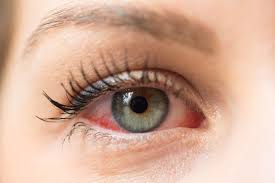
Most articles on this topic explain the waiting period vaguely — “let your eyes heal,” “avoid unnecessary stress.” The more precise mechanism is specific and worth knowing directly. Botox works by temporarily blocking the nerve signal to a targeted muscle. When injected near the eyes — particularly for crow’s feet — it can partially weaken the orbicularis oculi, the muscle responsible for closing your eyelids completely. A full, complete blink is what spreads tears evenly across the corneal surface; when that blink is even slightly incomplete, tear distribution suffers.
| Data Point | Finding |
|---|---|
| Incomplete eyelid closure (lagophthalmos) from orbicularis weakening | Documented complication of periorbital botulinum toxin, with corneal exposure and dryness as direct consequences |
| Symptomatic dry eye following botulinum toxin injection | Reported in approximately 7.5% of cases in therapeutic-dose studies; cosmetic doses are typically lower but the mechanism is the same |
Sources: peer-reviewed ophthalmology literature on botulinum toxin complications (EyeWiki; Medscape); dry eye and blink-function studies, ScienceDirect and Wiley Online Library.
This is exactly why the timing matters for LASIK specifically: your corneal nerves are still regenerating and your natural tear production hasn’t fully recovered in the early weeks. Adding even a small, temporary reduction in blink completeness on top of that isn’t a dramatic risk, but it’s a genuinely unhelpful thing to introduce during an already-vulnerable window.
Not All Botox Near the Eyes Is the Same
Here’s the nuance most explanations skip entirely: this isn’t a simple “Botox near the eyes is risky” story. Ophthalmologists themselves sometimes use very small, precisely placed doses of botulinum toxin — a fraction of a typical cosmetic dose, injected into the medial lower lid specifically — as a treatment for severe dry eye, since it can reduce tear drainage and keep the eye’s surface wetter for longer. The direction of the effect depends entirely on dose, placement, and technique, not on the drug itself being universally good or bad for eye comfort. Standard cosmetic Botox for crow’s feet is a different application, at different doses, aimed at a different result — and it’s that version, not the therapeutic dry-eye version, that carries the blink-completeness consideration relevant to LASIK timing.
Worth knowing too: dermal filler works through an entirely different mechanism — it adds physical volume rather than blocking a nerve signal, so it doesn’t touch muscle function or blink completeness at all. That makes filler, in areas away from the eyelid margin itself, a genuinely different risk profile if you want some aesthetic treatment without the blink-function consideration specifically — though it still carries its own generic injection-site cautions like swelling and bruising.
How the Two Timelines Actually Overlap
Seeing both recovery arcs side by side makes the four-to-six-week guidance easier to reason about than a flat rule.
| Botox Stage | Typical Timing | Where LASIK Healing Usually Stands |
|---|---|---|
| First visible softening | Days 3–5 | Still within the early, most flap-vulnerable window |
| Peak muscle effect | Days 10–14 | Still inside the first month — nerve regeneration and tear production still recovering |
| Effect plateau | Weeks 2 through roughly month 3–4 | By the time this stage begins (if Botox is delayed 4–6 weeks), corneal healing has meaningfully progressed |
Sources: peer-reviewed botulinum toxin onset/duration studies; clinical timeline data compiled across dermatology and aesthetic medicine sources.
The reason the wait matters isn’t the injection day itself — it’s that Botox’s peak muscle-weakening effect (days 10–14) would otherwise land squarely inside the same window your eyes are least equipped to compensate for reduced blink completeness.
Which Injection Sites Are Lower-Risk?
| Injection Site | Relevance to Blink Function |
|---|---|
| Forehead / glabella (frown lines) | Further from the orbicularis oculi — generally lower relevance to blink completeness |
| Crow’s feet (lateral canthus) | Directly targets the orbicularis oculi — the site most relevant to the blink-function consideration |
| Under-eye / lower lid | Closest to the mechanism above — typically approached with the most caution, LASIK recovery or not |
This is a useful thing to mention to your injector regardless of your LASIK timeline, but it’s worth being specific about during your recovery window particularly.
Botox Before LASIK vs. After
If you’re planning both, sequencing Botox first is generally the more comfortable order — typically about two weeks ahead of LASIK, giving initial swelling time to settle before your eye exam and surgery. Getting LASIK first and Botox afterward is equally viable, it just means observing the waiting window covered above. Neither order is inherently unsafe; it mostly comes down to which procedure you’re more eager to schedule first. If you’re also considering other facial treatments during this window, our guides on eyebrow threading after LASIK and makeup after LASIK cover related timing questions for treatments close to the eye area.
Bottom Line
Yes, Botox after LASIK is fine once you’ve given your eyes roughly four to six weeks — not because of vague “stress” on healing tissue, but because of a specific, well-documented mechanism: Botox near the eyes can temporarily reduce blink completeness, which compounds dry eye risk during a window when your eyes are already working to recover. Injection site matters more than most explanations let on, and it’s worth raising directly with your injector rather than assuming all placements carry equal relevance.
Not sure where you are in your recovery timeline? book a consultation at Visual Aids Centre — your surgeon can confirm exactly where your healing stands before you schedule anything else.
Frequently Asked Questions
Can I get Botox after LASIK?
Yes — most guidance recommends waiting around 4–6 weeks to let your corneal surface and tear function stabilise first.
When exactly does Botox reach its peak effect, and why does that matter?
Typically days 10–14 after injection, lasting roughly 3–4 months. That peak window is exactly why timing after LASIK matters — a temporarily weakened blink lands hardest when your eyes are least able to compensate.
Is Botox always bad for eye dryness?
No — very small, targeted doses are sometimes used by ophthalmologists specifically to treat severe dry eye. Standard cosmetic doses for crow’s feet are a different application entirely.
Is dermal filler a safer alternative during LASIK recovery?
It carries a different risk profile — filler adds volume rather than blocking a nerve signal, so it doesn’t affect blink function the way Botox can, though normal injection-site precautions still apply.
Are some Botox injection sites safer than others during recovery?
Yes — forehead and glabella injections sit further from the blink-function mechanism than crow’s-feet or under-eye injections.
Should I get Botox before or after LASIK?
Before is generally more convenient — typically about two weeks ahead of surgery, giving swelling time to settle first. Either order is workable.
👁️ MEDICALLY REVIEWED BY
Padmashree Vipin Buckshey
BS Optometry | AIIMS Graduate, 1977 | Padma Shri Honouree | Official Optometrist to the President of India | Laser Vision Correction Specialist & Founder, Visual Aids Centre
Vipin Buckshey treats the Botox-timing question as a genuine blink-mechanics conversation rather than a generic caution, since patients considering both procedures deserve the specific reasoning, not just a wait-and-see instruction. He founded Visual Aids Centre in 1980 — the first eye centre in Delhi to introduce LASIK surgery in 1999 — and has overseen 250,000+ Laser Vision Correction procedures across a 45-year career, including post-operative guidance on cosmetic treatments near the eye area. The guidance in this article reflects published ophthalmology literature on botulinum toxin and blink function, not a proprietary protocol. Read more at our story.