
You just had LASIK—or you’re seriously thinking about it—and the one question on your mind is: how long until I actually see 20/20? It’s the most common concern patients bring to us at Visual Aids Centre, and the answer is reassuring, though not as instant as social media might suggest.
Most people notice a dramatic improvement within the first 24 hours. But reaching stable, crisp 20/20 vision usually takes a few weeks to a few months, depending on your eyes and the type of procedure you had. In this article, we’ll walk you through exactly what to expect—week by week—so you can plan your recovery with confidence.
Key Takeaways
- Most people notice major vision improvement within the first 24 hours after LASIK.
- Many patients achieve or come close to 20/20 vision within one to four weeks.
- Complete visual stabilisation can continue for up to three months.
- Recovery speed depends on prescription, healing response, dry eye tendency, and treatment type.
What Does 20/20 Vision Actually Mean?
Before diving into timelines, let’s clarify what 20/20 really means. It’s a measure of visual acuity—the sharpness and clarity of your sight at 20 feet. If you have 20/20 vision, you can see at 20 feet what a person with normal vision sees at that distance. It doesn’t mean perfect vision (some people achieve 20/15 after LASIK), and it doesn’t measure depth perception, peripheral vision, or colour accuracy.
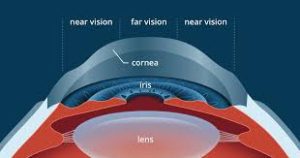
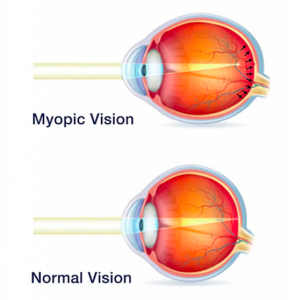
The goal of LASIK surgery is to reshape the cornea so light focuses precisely on the retina. When healing is complete, most patients reach 20/20 or better—but the journey there has distinct stages.
The LASIK Recovery Timeline: When Will You Hit 20/20?
First 24 Hours: Immediate but Imperfect Improvement
Right after the procedure, your vision improves noticeably—many patients can read the clock across the room within hours. However, expect a hazy, slightly foggy quality. Your eyes may water, feel gritty, or be light-sensitive. This is completely normal. The corneal flap is beginning to adhere, and your eye’s surface is still settling.
At this stage, you’ll likely measure somewhere around 20/30 to 20/40. Not quite 20/20, but a remarkable jump from where you started. Follow your surgeon’s post-operative instructions closely—especially regarding eye drops and avoiding rubbing your eyes.
Week 1: Rapid Progress
By day three to five, most patients find their vision has sharpened considerably. Many already test at or near 20/20 during their first follow-up visit. The mild dryness and halos around lights at night are still present but fading. Your cornea is healing quickly during this window.
If you notice slight blurriness during this period, don’t panic. Fluctuating vision in the first week is expected and doesn’t predict your final outcome.
Weeks 2–4: Vision Stabilises for Most Patients
This is when the majority of LASIK patients hit their target. Around two to four weeks post-surgery, your vision typically stabilises near 20/20. Dryness symptoms start easing, and night-time glare reduces significantly. Your surgeon will confirm the progress at scheduled check-ups.
For patients who had higher prescriptions or astigmatism correction, the stabilisation period can take slightly longer—up to six to eight weeks in some cases.
Months 1–3: Full Healing and Final Results
Complete corneal healing continues for roughly three months after LASIK. While most patients are already seeing 20/20 well before this point, your refraction may continue to fine-tune itself. By the three-month mark, your prescription is considered stable. If a minor residual error remains, your ophthalmologist might discuss an enhancement procedure—though roughly 5–10% of patients may need one, depending on the original prescription.
Factors That Affect How Quickly You Reach 20/20
Not everyone heals on the exact same schedule. Several factors influence your personal recovery speed:
- Pre-surgery prescription: Mild myopia (up to –3.00 D) tends to recover faster than high prescriptions.
- Type of LASIK: Bladeless LASIK and Contoura Vision often deliver quicker visual recovery than older techniques.
- Age: Younger corneas generally heal faster, though patients over 40 still achieve excellent results.
- Dry eye tendency: Pre-existing dry eye issues can slow the stabilisation of your tear film, temporarily affecting clarity.
- Compliance with aftercare: Consistent use of prescribed drops, wearing protective eyewear, and avoiding screens in the first 48 hours can make a noticeable difference.
What If You’re Not Seeing 20/20 After a Few Weeks?
Patience is key. Vision that is still slightly blurry at three or four weeks doesn’t mean something went wrong. Your cornea is still remodelling. As long as your doctor confirms the flap is healthy and there’s no unusual inflammation, continued improvement is expected.
However, if vision remains noticeably blurry beyond two to three months, it’s important to follow up. In rare cases, a small residual refractive error may require a touch-up. At Visual Aids Centre, we monitor every patient through a structured recovery programme to catch and address any concerns early.
Tips to Support Faster LASIK Recovery
- Use lubricating eye drops as directed—even when your eyes feel fine.
- Wear UV-blocking sunglasses outdoors for the first few weeks.
- Avoid swimming, dusty environments, and heavy exercise for at least two weeks.
- Limit screen time during the first 48 hours to reduce strain.
- Attend all follow-up appointments—your surgeon can spot issues you might not feel.
Why Choose Visual Aids Centre for LASIK?
At Visual Aids Centre, we use advanced technologies including Contoura Vision and bladeless LASIK to deliver precise corneal reshaping with faster recovery. Our experienced ophthalmologists have performed thousands of refractive surgeries, and every patient receives a personalised treatment plan along with a detailed recovery roadmap.
Ready to explore whether LASIK is right for you? Book an appointment for a comprehensive eye evaluation today.
Conclusion
So, how long after LASIK can you see 20/20? For most patients, noticeable improvement happens within hours, functional 20/20 vision arrives within one to four weeks, and full stabilisation is complete by three months. The timeline varies based on your prescription, procedure type, and healing response—but the overwhelming majority of patients achieve their target vision comfortably within this window.
LASIK is one of the most predictable and satisfying vision correction procedures available. With the right surgeon, proper aftercare, and a little patience, clear vision without glasses or contacts is well within reach.
Frequently Asked Questions (FAQs)
1. Can I see clearly immediately after LASIK?
Most patients notice improved vision within a few hours, though it’s typically slightly hazy. Clear, sharp vision develops over the following days and weeks.
2. Is 20/20 vision guaranteed after LASIK?
While no surgery can guarantee a specific outcome, over 90% of suitable LASIK candidates achieve 20/20 vision or better with modern technology. Results depend on your individual eye anatomy and prescription.
3. How long does blurry vision last after LASIK?
Mild blurriness typically resolves within the first week. For some patients with higher corrections, fluctuations may continue for two to four weeks before stabilising.
4. When can I return to work after LASIK?
Most people resume desk-based work within two to three days. Physically demanding jobs may require a longer break. Read more about LASIK recovery and returning to work.
5. What if my vision regresses after LASIK?
Minor regression is uncommon but possible, especially with very high prescriptions. An enhancement procedure can usually correct any residual error. Regular follow-ups help detect changes early.