
No, you can’t blink during the actual laser treatment — but that part is well-covered everywhere and isn’t something to worry about. What almost nothing else explains is the more useful question: yes, you can blink completely normally after LASIK during recovery, and there’s a real physiological reason worth understanding, not just a reassurance. LASIK genuinely does change your blinking — just not in the way most people assume, and that change is actually the key to understanding post-op dry eye. This guide covers both the during-surgery mechanics and the after-surgery reality most explanations skip.
Key Takeaways
- You genuinely cannot blink during the laser treatment itself — numbing drops suppress the urge, and an eyelid speculum makes it physically impossible, so this isn’t something you need to consciously control.
- Eye-tracking technology samples your eye position 1,000 to 4,000 times per second — fast enough to keep pace with natural involuntary eye movements and pause the laser instantly if you move.
- Voluntary blinking is completely safe — your eyelid muscles and blink mechanics are entirely untouched by LASIK, and a normal blink can’t dislodge a healing flap.
- Your reflexive blink rate genuinely does change — LASIK temporarily cuts corneal nerves during flap creation, and those nerves are what drive how often you blink without thinking about it.
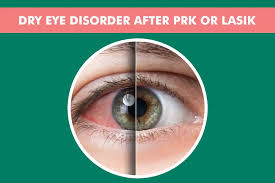
- This is a real, documented mechanism behind post-LASIK dry eye — reduced corneal sensitivity means fewer reflexive blinks, which means less tear film spreading across the eye.
- Corneal nerve density can remain measurably lower than normal even a decade after LASIK, according to long-term follow-up research, though most people stop noticing symptoms long before that.
- “Conscious blinking” during screen time is genuinely useful advice — it’s compensating for a real physiological change, not just a comfort tip.
| Your Question | Short Answer |
|---|---|
| Can you blink during LASIK surgery? | No — numbing drops and an eyelid speculum make it physically impossible, and this is handled for you |
| What if I accidentally blink or sneeze mid-procedure? | Eye-tracking technology pauses the laser automatically; nothing bad happens |
| Can you blink after LASIK? | Yes — completely normally, and it’s safe for your healing flap |
| Does LASIK affect blinking at all? | Yes — your reflexive blink rate can drop due to reduced corneal sensitivity, though voluntary blinking is unaffected |
| Is this why my eyes feel dry after LASIK? | It’s a real contributing factor, not the only one, but a documented one |
Can You Blink During LASIK Surgery?
No — and this is worth being direct about, since it’s the question most people actually mean when they ask this. During the laser portion of LASIK, blinking is physically prevented, not something you’re expected to hold back yourself. Numbing drops suppress the natural urge to blink, and a small eyelid speculum gently holds your eyelids open, making blinking impossible even if you tried.
| What Happens | Why It’s Not a Concern |
|---|---|
| An eyelid speculum holds your eyes open | A lightweight device placed after numbing drops — patients typically stop noticing it within moments |
| You feel little to no urge to blink | Topical anesthetic reduces corneal sensitivity specifically to suppress the blink reflex during treatment |
| Eye-tracking technology monitors your eye continuously | Your eyes naturally make small involuntary movements about 100 times per second; tracking systems sample eye position at 1,000 to 4,000 times per second to keep pace and reposition the laser accordingly |
| The actual laser time is very short | Often under a minute or two of active laser time per eye, which limits how much there is to worry about in the first place |
Sources: “The Right Track for Vision Correction,” NASA Spinoff; eye-tracker performance and pulse positioning accuracy.
Sneezing, coughing, or an involuntary flinch mid-procedure isn’t something to fear either — the same eye-tracking system accounts for it. Nothing about an accidental movement during LASIK derails the outcome; it simply pauses and picks back up.
Yes, You Can Blink After — Voluntary Blinking Is Completely Safe
This part deserves a direct, unqualified answer: normal blinking cannot dislodge your corneal flap or interfere with your results. During surgery itself, a speculum holds your eyelids open so blinking isn’t even physically possible while the laser is working — once it’s removed, ordinary blinking resumes immediately and safely. The flap begins adhering within hours, and the gentle pressure of a normal blink is nowhere near what’s required to disturb it. If you’re worried specifically about physical contact with the eye, our page on LASIK flap dislocation covers what actually causes it — and ordinary blinking isn’t it.
The More Accurate Story: Your Blink Rate, Not Your Ability
Here’s what most explanations skip entirely. LASIK creates a corneal flap by cutting through a layer of the cornea — and that layer contains nerve fibres that do more than just register sensation. They’re part of a reflex loop: when the corneal surface is stimulated, those nerves trigger both blinking and tear secretion. Cutting them during surgery temporarily interrupts that reflex, which is why reduced corneal sensitivity after LASIK isn’t just about feeling less — it measurably reduces how often you blink without thinking about it. Our page on how corneal nerves regrow after LASIK covers the regeneration timeline in more depth.
| Data Point | Finding |
|---|---|
| The blink-tear reflex loop | Corneal nerve stimulation normally triggers both blinking and tear secretion; when sensitivity drops, both are reduced together |
| Long-term nerve density | A 13-year follow-up study found corneal nerve density remained significantly lower than in unoperated eyes, even a decade after surgery |
| LASIK vs. SMILE comparison | Studies comparing the two procedures found significantly greater corneal denervation after LASIK than after SMILE, which avoids creating a full corneal flap |
Sources: “Decrease in Tear Secretion and Corneal Sensitivity After LASIK,” Cornea journal; ScienceDirect; “Dry Eyes After LASIK,” EyeWiki.
Worth putting in perspective: most people’s dry eye symptoms resolve well before nerve density fully recovers, since even partial nerve regeneration restores enough sensitivity for comfortable, functional blinking. The long persistence shown in nerve-density studies is a structural finding, not a prediction that you’ll feel dry for a decade. Our page on how LASIK affects the tear film covers the other side of this mechanism directly.
What Actually Helps?
- Practice “conscious blinking” during screen time — deliberately blinking fully and often isn’t just a comfort tip, it’s directly compensating for the reduced reflexive rate described above.
- Use your prescribed lubricating drops on schedule, not just when your eyes feel dry — this supports the tear film while your natural reflex is still recovering.
- Take regular breaks from screens, since sustained close focus already suppresses blink rate in anyone, LASIK or not, compounding the effect. Our page on how common dry eye is after LASIK covers the fuller picture of what to expect.
When to Call Your Surgeon?
Ordinary dryness and a slightly-reduced blink rate in the early weeks are expected and not a reason for concern. What’s worth flagging: persistent pain, blurred vision that isn’t improving, or redness and discharge — these point to something beyond the normal nerve-recovery timeline and are worth a direct check rather than waiting out.
Bottom Line
You can blink normally after LASIK, and doing so is completely safe for your healing eye — that reassurance is accurate and worth keeping. What’s more useful to actually understand is that your reflexive blink rate genuinely does change afterward, because the same corneal nerves that drive it are temporarily affected by the procedure. That’s not a reason for concern; it’s the actual explanation for why dry eye is such a common part of recovery, and why deliberately blinking more during screen time is real, physiologically grounded advice rather than a generic tip.
Managing dry eye or discomfort after your procedure? book a consultation at Visual Aids Centre — we can check whether your recovery is tracking normally.
Frequently Asked Questions
Can you blink during LASIK surgery?
No — numbing drops suppress the urge and an eyelid speculum makes it physically impossible. This is handled for you, not something you need to control.
What happens if I sneeze or flinch during the procedure?
Eye-tracking technology samples your eye position 1,000 to 4,000 times per second and pauses the laser automatically if you move — treatment resumes exactly where it left off once you’re still again.
Can you blink after LASIK?
Yes — completely normally, and it’s safe for your healing flap. Voluntary blinking mechanics are entirely unaffected by the procedure.
Does LASIK actually change how I blink?
Yes, in one specific way — your reflexive blink rate can drop, because the corneal nerves that normally trigger blinking are temporarily disrupted during flap creation.
Is that why my eyes feel dry after LASIK?
It’s a real, documented contributing factor — reduced blinking means less tear film spreading across the eye, on top of other causes of post-LASIK dryness.
How long does this last?
Most symptoms resolve well before nerve density fully recovers, since partial regeneration is usually enough to restore comfortable blinking. Full structural recovery can take much longer.
👁️ MEDICALLY REVIEWED BY
Padmashree Dr. Vipin Buckshey
BS Optometry | AIIMS Graduate, 1977 | Padma Shri Honouree | Official Optometrist to the President of India | Laser Vision Correction Specialist & Founder, Visual Aids Centre
Explaining the real difference between “can you blink” and “does your blink rate change” is something Dr. Vipin Buckshey walks patients through directly, since the reassurance patients actually need is different from the mechanism that’s actually driving their dryness. He founded Visual Aids Centre in 1980 — the first eye centre in Delhi to introduce LASIK surgery in 1999 — and has overseen 250,000+ Laser Vision Correction procedures across a 46-year career. The clinical evidence referenced here reflects published ophthalmology literature, not a proprietary explanation. Read more at our story.