
Lasik Eye Surgery
Can I Eat Prawns After Lasik Surgery?
Yes, you can eat prawns after LASIK — but the real reasons to be a little careful in the first few days have almost nothing


Yes, you can eat prawns after LASIK — but the real reasons to be a little careful in the first few days have almost nothing
Yes, eye ointment is fine after LASIK, and for many patients it’s genuinely useful — but ointment isn’t interchangeable with the artificial tear drops you’ll
Yes, for most ISRO aspirants — LASIK is essentially a non-issue for Scientist/Engineer entry, the main route most people actually take via GATE. Most guides

The Indian Navy accepts LASIK, PRK and SMILE for most branches — but for the pilot cadre, the answer has a harder edge. Pilot entry

There’s no single “best” between Trans PRK, LASIK, and SMILE — each reshapes your cornea differently, and the right one depends on your corneal thickness,

A retina check-up matters most after LASIK for one specific reason that most explanations skip: it’s not that LASIK harms your retina, it’s that the
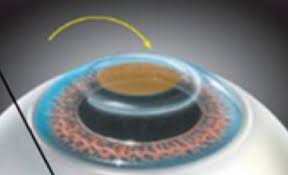
LASIK is contraindicated in active keratoconus at every stage — it removes tissue from a cornea that is already structurally compromised. Cross-linking stops KC from

No — LASIK and other refractive surgeries are not allowed for DFCCIL S&T (Signal & Telecommunication) posts. These roles fall under Medical Standard A3, and
Yes — but the timeline and the risk profile depend on your discipline. Solo kata and forms practice are typically cleared by week 2. Full-contact
Flap dislocation is impossible after SMILE — there is no flap. A knuckle rub transiently spikes intraocular pressure from 15 mmHg to over 150 mmHg,