
This blog explores whether LASIK surgery affects eligibility for candidates applying to TGT Computer Science posts and explains the vision standards required by DSSSB recruitment boards.
This article discusses TGT Computer Science eligibility criteria, vision requirements for teaching positions, how LASIK impacts medical fitness evaluation, comparison with defense jobs, medical examination procedures, advantages of LASIK for teachers, and practical planning steps for candidates.
Key Takeaways
- LASIK-corrected vision is generally allowed for TGT Computer Science positions.
- DSSSB evaluates corrected eyesight performance, not whether vision is natural or surgical.
- TGT Computer Science has practical, non-military-level vision requirements.
- LASIK poses no disqualification risk if vision is stable and meets required standards.
- Plan LASIK 3-6 months before medical examination with full documentation ready.
TGT Computer Science Eligibility and Vision Rules: Where LASIK Fits?
TGT Computer Science in DSSSB (Delhi Subordinate Services Selection Board) is a Group-B, Non-Gazetted, Non-Ministerial teaching post with well-defined academic and professional requirements. The recruitment criteria are primarily academic in nature and focus on qualifications rather than physical attributes.
Educational Qualifications Required
Candidates must hold one of the following qualifications from a recognized institution:
- BCA (Bachelor of Computer Applications) from a recognized university
- Graduation in Computer Science with the subject studied throughout all academic years
- B.E./B.Tech in Computer Science or Information Technology
- Graduation plus DOEACC A-Level certification
Vision Requirements and Standards
Vision requirements for TGT Computer Science are practical and functional, not military-level strict. The standards allow for multiple vision correction methods:
- Glasses or contact lenses: Permitted without any restrictions
- Corrected eyesight: Acceptable if visual acuity meets the required standard with correction
- Color blindness test: May be conducted as a standard screening
- LASIK consideration: No rule in DSSSB recruitment explicitly mentions LASIK as a disqualification criterion
Functional Requirements of the Role
The medical requirement ensures teachers can effectively perform core teaching duties: use computers, read screens and printed material, and interact comfortably with students. These are tasks easily manageable after LASIK surgery when vision is stable and corrected to the required standard.
In summary: If your current visual acuity meets the medical board’s baseline standards with proper correction, LASIK will not negatively impact your selection or eligibility for the TGT Computer Science position.
Why Government Teaching Jobs Accept LASIK?
Government jobs fall into distinctly different medical-fitness categories based on the nature and demands of the position. Some positions—such as Army, Air Force, Railway technical roles—enforce strong restrictions on laser eye surgery. TGT Computer Science does not fall into these restrictive categories.
Comparison: Defense Jobs vs. Teaching Positions
| Factor | Defense / Pilot Jobs | TGT Computer Science |
|---|---|---|
| Risk of high-impact physical activity | Very High | Low |
| Safety risk if vision fluctuates | Critical | Minimal |
| Vision must be natural | Often Yes | No |
| Corrective lenses allowed | Limited | Allowed |
Why LASIK Is Acceptable for Teaching Roles
Teaching positions prioritize different competencies than defense roles. TGT Computer Science relies on:
- Clear, corrected sight for reading and screen work
- Effective communication skills
- Subject matter expertise and knowledge
- Consistent, reliable classroom presence
- Ability to interact professionally with students and colleagues
Since LASIK simply corrects refractive error and restores clear vision, it does not negatively impact any functional responsibility of a teacher. In fact, LASIK can improve the teaching experience by eliminating glasses-related inconveniences. Therefore, LASIK does not reduce or harm your eligibility for TGT Computer Science roles.
What Happens During the TGT Computer Science Medical Exam?
Although TGT Computer Science is primarily an academic and teaching-focused position, DSSSB requires a basic medical evaluation to verify that candidates possess adequate physical and visual fitness for the demanding teaching role.
Eyesight Evaluation Component
The medical examination includes a comprehensive eyesight assessment that covers:
- Distance and near vision clarity: Testing ability to see the blackboard/smart board and student materials clearly
- Eye alignment and focusing: Ensuring eyes work together effectively without strain
- Contrast sensitivity: Ability to distinguish text and visual information in various lighting conditions
Color Blindness Test
The medical board usually administers a simple Ishihara plate test to screen for color blindness. This ensures the candidate can read color-coded materials, identify color in programming interfaces, and use color-coded teaching resources effectively.
General Physical Assessment
A comprehensive physical fitness check verifies the candidate can stand, walk, speak clearly, and teach without physical limitations that would interfere with classroom duties.
Psychological Well-Being Evaluation
Mental fitness is important in teaching environments. The medical board assesses stress-handling ability, composure under pressure, and communication effectiveness.
LASIK’s Positive Impact on Medical Fitness
LASIK actually improves clarity and may even help reduce eye strain—a significant benefit for candidates who spend extended hours on digital tools, coding tasks, and screen-based work. Most candidates clear the medical fitness stage comfortably after LASIK when vision is stable and properly documented.
When Can LASIK Create Questions During Recruitment?
While LASIK is generally acceptable for TGT Computer Science positions, the medical examiner may ask clarifying questions only in specific scenarios. Being aware of these situations helps you prepare thoroughly and address any concerns proactively.
Situations That May Trigger Questions
Recent Surgery
If LASIK surgery was performed very recently before the medical examination, the examiner may ask about post-operative healing status. The eyes need adequate time to stabilize after the procedure.
Persistent Complications
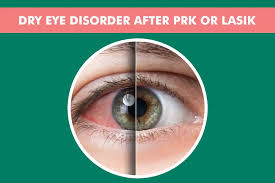
If complications persist—such as dryness, glare effects, halos around lights, or reduced night vision—the examiner may inquire about their impact on your daily functioning and teaching ability.
Vision Instability
If vision power continues to shift after surgery rather than stabilizing, the examiner may request clarification on your eye health status and whether the correction is permanent.
Missing Documentation
If no certificate or documentation confirms procedure stability and post-operative health, the examiner cannot verify the surgical outcome and safety.
How to Avoid These Issues
Smart Timing
Schedule LASIK at least 3–6 months before your medical checks. This allows sufficient healing time and demonstrates stable vision post-surgery.
Essential Documentation to Keep
Maintain copies of:
- Initial eye evaluation reports before surgery
- Complete surgery discharge summary
- Post-operative follow-up certifications confirming eye stability
- Any reports about absence of complications
Key Tip: If vision power stabilizes after LASIK and there are no post-operative issues, the medical board has no grounds to reject your medical fitness clearance. Comprehensive documentation is your best safeguard.
Advantages of LASIK for Aspiring TGT Computer Science Teachers
The TGT Computer Science role demands continuous screen exposure, digital content reading, and technology interaction—tasks that can be physically demanding on the eyes. LASIK offers several practical advantages for teachers in this position.
Reduced Eye Strain
By correcting refractive errors permanently, LASIK reduces the eye strain that typically accompanies long hours of screen time, reading code, preparing digital lessons, and grading assignments. Teachers can focus on instruction rather than managing visual discomfort.
Enhanced Smart Board and Projector Interaction
LASIK provides clear, unaided vision for better interaction while using smart boards, classroom projectors, and digital teaching resources. Teachers can move freely without worrying about glasses slipping or reflecting light from the display.
Freedom from Fogging and Moisture Issues
Unlike glasses, which can fog in humid classrooms or when wearing masks, corrected vision through LASIK remains unaffected by environmental conditions. This is particularly valuable during school activities, laboratory work, and field visits.
Enhanced Confidence During Interactions
Many candidates find it easier to maintain confidence and composure during panel interviews, staff meetings, and student interactions without glasses. This psychological benefit can positively influence professional presence.
Participation in Professional Development
Teachers can participate comfortably in training workshops, online courses, and professional development activities without vision correction concerns. This supports career growth and skill enhancement.
Long-Term Career Benefit
Modern LASIK technology provides stable results when performed by experienced ophthalmologists—a positive long-term decision for teachers planning decades-long careers in education.
How to Plan LASIK If You Are Preparing for DSSSB TGT Computer Science?
A well-executed plan ensures your recruitment processing proceeds smoothly without unexpected complications or concerns during the medical examination.
Step-by-Step Planning Guide
Step 1: Get Suitability Screening
Consult with a qualified, experienced ophthalmologist specializing in refractive surgery. They will assess:
- Your corneal thickness and suitability for LASIK
- Refractive stability and whether your prescription has stabilized
- Overall eye health and absence of contraindications
Step 2: Complete Surgery Well in Advance
Undergo LASIK surgery at least 3–6 months before your expected medical examination date. This provides ample time for:
- Complete corneal healing
- Vision stabilization
- Resolution of any temporary post-operative effects
Step 3: Attend All Post-Operative Checkups
Maintain a schedule of follow-up appointments with your eye surgeon to ensure proper healing and to identify and treat any complications early. Keep detailed records from each visit.
Step 4: Maintain Comprehensive Records
Keep organized copies of:
- Pre-surgery eye evaluations
- Surgery discharge and operative reports
- All post-operative follow-up records
- Final certification of vision stability and eye health
Step 5: Practice Screen Hygiene During Recovery
During the healing phase, follow recommended screen time guidelines and eye care practices to promote optimal recovery and demonstrate responsible health management.
What to Avoid
Do not make these common mistakes:
- Getting LASIK with unstable power: Ensure your prescription has been stable for at least 1-2 years before surgery
- Choosing unqualified clinics: Select only clinics with certified refractive surgeons and proven track records
- Ignoring mild complications: Address any post-operative issues (dryness, glare) with your surgeon before the medical exam
- Poor timing: Avoid scheduling LASIK too close to your medical examination
A responsible timeline and proper documentation help you demonstrate medical fitness confidently during the recruitment process.
What does DSSSB Mention About Eye Care in Teaching Posts?
Although DSSSB does not publish explicit LASIK-specific clauses for teaching positions, their guidelines make clear what they do accept and permit:
Permitted Vision Correction Methods
DSSSB explicitly allows:
- Spectacles (glasses)
- Contact lenses
- Refractive correction approved at medical review
Color Vision Testing
While color blindness testing may apply, even mild color vision deficiency may not result in automatic disqualification unless it demonstrably affects job performance in teaching. The assessment is contextual and role-specific.
DSSSB’s Practical Philosophy
The board’s underlying attitude is straightforward and pragmatic:
“If you can see well enough to teach and use computers effectively, you are fit for the position.”
This approach aligns perfectly with the non-hazardous, skill-focused nature of a Computer Science teaching role. DSSSB evaluates whether you can perform the job, not whether your vision correction method is natural or surgical.
Bottom Line
Yes—LASIK is allowed for TGT Computer Science jobs, including DSSSB recruitment. Your eligibility depends on your academic qualifications and current eyesight performance, not on whether your vision correction is natural or surgical. If LASIK has helped you achieve stable and healthy eyesight with no complications, you remain fully eligible to pursue a rewarding teaching career in Computer Science. Prepare confidently for the examination, focus on your subject mastery and teaching competencies, and ensure your vision test demonstrates normal functioning at the medical evaluation stage. LASIK is a benefit—not a barrier—for this profession, and it can enhance your long-term career satisfaction and effectiveness as a teacher.
Frequently Asked Questions (FAQs)
Do I need to mention in the medical exam that I had LASIK?
You only need to meet the eyesight standard required by DSSSB for the position. If asked directly about your medical history, answer honestly. Having had LASIK does not cause automatic disqualification—it only matters that your current vision meets the required standard.
Can someone apply for TGT Computer Science wearing glasses after LASIK?
Yes. Glasses are permitted even after LASIK surgery if minor residual refractive correction remains. DSSSB allows spectacles as a vision correction method, so wearing glasses does not affect your eligibility.
Does color blindness affect eligibility for TGT Computer Science?
A color vision test is conducted during medical examination. Mild cases of color vision deficiency may still be considered fit, depending on the medical board’s assessment of whether it impacts your ability to teach Computer Science effectively.
How long before the exam should I get LASIK?
Allow 3–6 months for full vision stabilization and proper healing before your medical examination. This waiting period ensures documentation is ready and any temporary post-operative effects have resolved.
What if my eyesight worsens again after LASIK?
You remain eligible for TGT Computer Science as long as your corrected vision (with glasses or contacts, if needed) meets the required standard set by DSSSB for teaching duties. The board evaluates your functional vision capability, not the history of how you achieved it.