The minimum keratometry for LASIK eye surgery is generally considered to be 40.00 diopters (D), as values below this threshold significantly increase the risk of complications like corneal instability.
However, exact parameters can vary depending on the surgeon’s judgement, the patient’s specific eye structure, and advancements in refractive surgery technology.
Understanding Keratometry and Its Role in LASIK
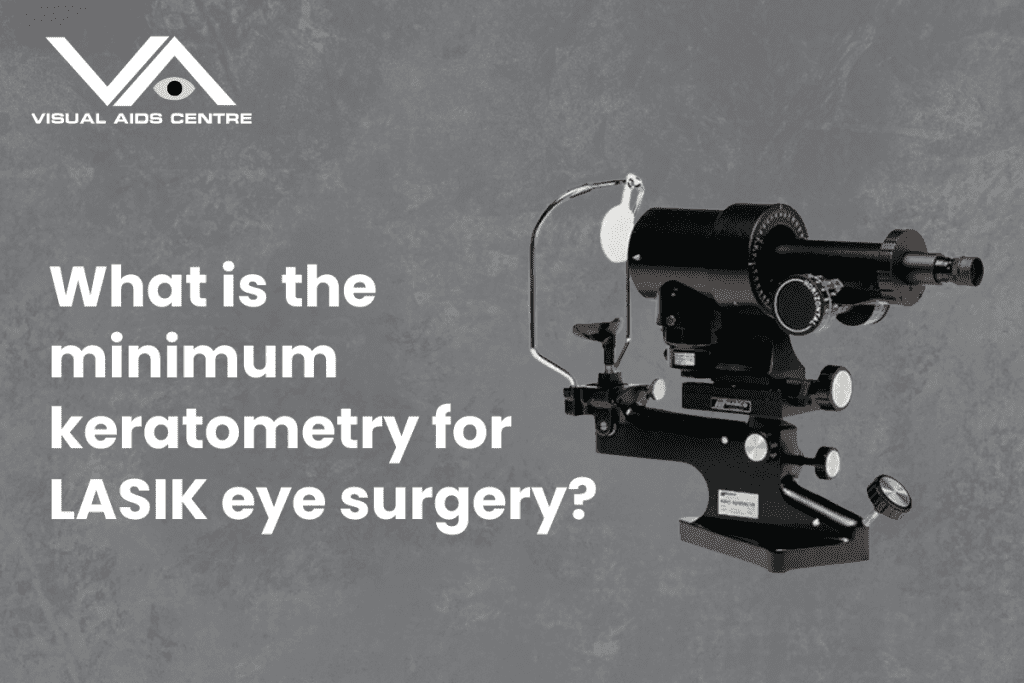
Keratometry measures the curvature of the cornea, which plays a crucial role in determining if a patient qualifies for LASIK surgery. The cornea is the outermost surface of the eye that focuses light onto the retina to facilitate clear vision. LASIK reshapes the cornea using a laser to correct refractive errors such as myopia, hyperopia, and astigmatism.
By evaluating keratometry values, surgeons assess whether the cornea is sufficiently thick and stable for LASIK. A keratometry reading that falls below the minimum can compromise the cornea’s structural integrity, leading to complications like ectasia— a progressive thinning and bulging of the cornea.
What Is Keratometry Measured in LASIK Candidates?
Keratometry values are expressed in diopters (D), which indicate the refractive power of the cornea. Standard keratometry for LASIK candidates usually falls between 40.00 D to 48.00 D. These values ensure that the curvature of the cornea is ideal for safe and effective surgery.
- Values Below 40.00 D: A flat cornea is more challenging to reshape and may not flatten further adequately for vision correction.
- Values Above 48.00 D: A steep cornea is at increased risk of post-operative complications, including flap irregularities or incomplete corrections.
Why Is a Minimum Keratometry Threshold Important?
The minimum keratometry of 40.00 D for LASIK surgery ensures that the cornea will remain structurally sound after the laser reshaping. Several critical considerations justify the need for this threshold, including:
1. Post-surgery Corneal Stability
LASIK involves removing a certain amount of corneal tissue to reshape its profile. For patients with flat corneas (lower keratometry), this can lead to significant thinning post-surgery, increasing the risk of corneal ectasia.
Post-operative ectasia is a severe condition that causes distorted vision, requiring additional treatments like corneal cross-linking or sometimes even a corneal transplant.
2. Laser Ablation Efficiency
LASIK uses an excimer laser to precisely reshape the cornea based on the patient’s refractive error. Flat corneas require a longer laser ablation time to achieve the required reshaping, which may lead to less predictable outcomes and increased procedural complexity. This may compromise vision correction results.
3. Flap Creation Challenges
During LASIK surgery, a thin flap is created on the cornea’s surface to provide access to the laser. For flat corneas, creating a uniform and accurate flap becomes more difficult. Any irregularities in flap creation can affect healing and visual outcomes.
4. Vision Correction Limitations
Patients with keratometry readings below the minimum threshold may not experience optimal results. LASIK’s effectiveness relies on predictable and consistent reshaping. The flatter the cornea, the less reliable the vision correction is likely to be.
Factors Influencing the Keratometry Assessment for LASIK
While the general guideline sets 40.00 D as the minimum keratometry for LASIK, several other factors influence the decision-making process, including:
1. Corneal Thickness
Low keratometry readings often coincide with thinner corneas, which can be unsuitable for LASIK. A cornea must have a minimum residual stromal bed thickness of 250 microns after the procedure to avoid weakening its structural integrity.
2. Pupil Size
Larger pupil sizes may require altering the ablation zone during LASIK. Flat corneas with large pupils further complicate reshaping, making it difficult for the laser to provide uniform corrections across the corneal surface.
3. Pre-existing Conditions
Conditions such as keratoconus (a progressive thinning of the cornea) or pellucid marginal degeneration (a condition affecting flat, thin corneas) may disqualify patients from LASIK even if their keratometry readings are above the threshold.
4. Alternative Refractive Surgery Options
Patients with keratometry values below the minimum may still find solutions through other vision correction methods, such as PRK (Photorefractive Keratectomy), SMILE (Small Incision Lenticule Extraction), or ICL (Implantable Collamer Lens). These procedures are often more accommodating for flat corneas.
How Surgeons Determine LASIK Candidacy?
A comprehensive pre-operative evaluation determines LASIK candidacy beyond keratometry values. This evaluation typically includes the following tests:
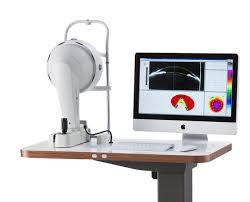
- Corneal Topography: Maps the corneal surface to assess shape and curvature.
- Pachymetry: Measures corneal thickness to ensure sufficient tissue post-surgery.
- Wavefront Analysis: Evaluates higher-order aberrations that affect vision quality.
- Dilated Eye Examination: Reveals underlying eye conditions or abnormalities.
What Happens If Your Keratometry Is Below the Minimum?
If your keratometry reading is below 40.00 D, you may not qualify for LASIK, but that doesn’t mean your vision correction options are limited. Surgeons may recommend alternative procedures better suited to your corneal shape and thickness:
1. PRK (Photorefractive Keratectomy)
PRK is an excellent option for patients with flat corneas because it doesn’t require the creation of a corneal flap. Instead, the laser directly reshapes the surface of the cornea, making it a safer choice for those with less curvature.
2. SMILE (Small Incision Lenticule Extraction)
SMILE is ideal for patients with thinner or flatter corneas. It requires only a small incision to remove a lenticule of tissue, preserving more corneal integrity than LASIK.
3. ICL (Implantable Collamer Lens)
For individuals with extreme flatness or other contraindications for laser eye surgery, ICL involves placing a custom lens inside the eye, leaving the cornea untouched.
Innovations in LASIK and Keratometry Thresholds
Recent advancements in LASIK technology are expanding its applicability to patients with borderline keratometry readings. For example:
- Custom LASIK: By incorporating wavefront-guided ablation, this technique offers precise corrections tailored to an individual’s unique corneal shape.
- Femtosecond Lasers: These enable unparalleled precision in creating corneal flaps, allowing surgeons to safely treat patients with flat corneas.
While long-standing guidelines such as the 40.00 D minimum remain the standard, these innovations may help certain patients become eligible for LASIK in the future.
Final Thoughts on Minimum Keratometry for LASIK
Understanding the minimum keratometry for LASIK eye surgery is essential for ensuring safety and optimal outcomes. 40.00 D is the commonly accepted base value, ensuring that the cornea remains stable and durable post-procedure. However, a thorough pre-operative assessment will provide the most precise recommendation for your individual needs.
If you’re not a candidate for LASIK due to low keratometry, alternatives like PRK and SMILE offer comparable results tailored to your eye’s unique anatomy. Always consult an experienced ophthalmologist or refractive surgeon to explore your safest and most effective options for vision correction.