Yes — laser eye surgery is generally safe for epileptics with well-controlled seizures. The laser light itself is not the risk most people assume it to be.
Most pages just say “yes, but ask your doctor” and stop there. Here’s what actually decides your eligibility — your seizure control, not the laser light — plus the one medication interaction almost nobody mentions.
Key Takeaways
- Only about 3% of epilepsy patients have photosensitive epilepsy — the type actually linked to light triggers. Most epilepsy has nothing to do with light exposure at all.
- The flicker range most likely to trigger seizures is 5–30 Hz — the excimer lasers used in LASIK and PRK pulse at 100–1,050 Hz, well outside that range.
- Modern eye-tracking systems detect eye movement hundreds to thousands of times per second and pause or compensate automatically — sudden movement doesn’t go unnoticed mid-procedure.
- The FDA’s official LASIK eligibility guidance doesn’t list epilepsy as a contraindication at all — this is an individualized decision, not a blanket rule.
- Seizure control matters far more than the diagnosis itself — and some anti-epileptic medications can interact with pre-procedure sedatives, a detail almost no patient-facing page mentions.
- Medication timing, stress, and sleep — not light — are the biggest real-world seizure triggers (40.9%, 31.3%, and 19.7% respectively in one study), which reframes what actually matters on surgery day.
The Facts, Verified
Here’s what the actual data says, not just generic reassurance.
| Verified fact | Why it matters for you |
|---|---|
| Only about 3% of people with epilepsy have photosensitive epilepsy — seizures triggered by light or visual patterns | The vast majority of epilepsy patients have nothing to fear from bright light exposure specifically |
| The flicker frequency range most likely to provoke a photosensitive seizure is 5–30 Hz; excimer lasers used in LASIK and PRK operate at 100–1,050 Hz | The laser itself pulses far outside the range known to trigger light-sensitive seizures — a detail almost no page states plainly |
| Modern eye-tracking systems sample eye position hundreds to thousands of times per second and pause or compensate automatically if the eye moves beyond safe limits | Unexpected movement, from any cause, is a built-in safety scenario these systems are designed to handle |
| The FDA’s official patient guidance on LASIK eligibility does not list epilepsy or seizure disorders as a contraindication | There’s no blanket rule against it — eligibility comes down to your specific seizure control and history |
Sources: Epilepsy Foundation; excimer laser technical literature (ScienceDirect); FDA LASIK patient guidance.
Why Is Epilepsy Even a Concern for Laser Eye Surgery?
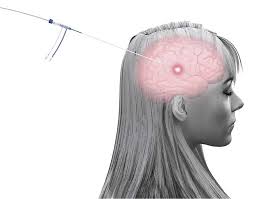
One quick mix-up worth clearing up first: searching “laser surgery for epilepsy” mostly turns up an entirely different procedure — a neurosurgical technique that uses laser energy inside the brain to treat seizures at their source. That’s unrelated to LASIK or PRK, which reshape the cornea to correct vision. If your search results felt confusing, that’s likely why.
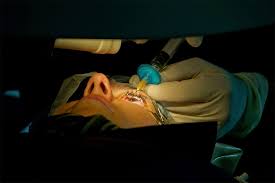
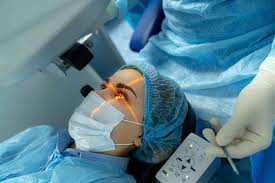
Laser vision correction requires you to fixate on a target light for roughly 10–20 seconds while the laser reshapes your cornea, which naturally raises the question of what happens if a seizure occurs during that window. That’s a fair concern, and it’s worth understanding exactly what happens during the procedure before assuming the worst. The light itself is the other worry — but as the data above shows, it isn’t strobe-like, and it pulses at a rate far removed from what’s known to provoke photosensitive seizures.
The more useful question isn’t “does epilepsy rule this out,” it’s “which type of epilepsy, and how well controlled is it.” Our own clinical page on whether laser eye surgery itself can cause seizures covers that distinction directly. Beyond the light question, some patients simply worry about the sensation of the procedure — what it actually feels like tends to be far less alarming than what people imagine beforehand.
What Does Your Epilepsy Type Actually Mean for Eligibility?
| Your situation | What it means | Action |
|---|---|---|
| Well-controlled epilepsy, no seizures in months or years | ✅ Generally suitable | Standard eligibility screening plus neurologist sign-off |
| Photosensitive epilepsy, well-controlled | ✅ Generally suitable | Laser pulse rate falls outside the seizure-trigger range regardless |
| Frequent or poorly controlled seizures | ⚠️ Higher risk, individualized decision | Stabilize seizure control with your neurologist before proceeding — see full contraindications for LASIK |
| Active, uncontrolled seizure disorder | ❌ Not a good candidate right now | Revisit once seizure control is established |
Sources: FDA LASIK patient guidance; general pre-op neurological screening practice.
If the idea of lying still under a laser makes you anxious regardless of epilepsy, that’s worth naming too — most first-time patients feel some version of this, and your team can walk you through exactly what to expect beforehand.
When Should Epilepsy Actually Change Your Plan?
Here’s the bigger practical point that competitor content misses entirely by fixating on light: in one 405-patient seizure-trigger study, the leading real-world triggers were missed medication (40.9%), emotional stress (31.3%), and sleep deprivation (19.7%) — flashing lights barely register, and that North Indian cohort found photosensitivity wasn’t a factor at all. That reframes your actual pre-op checklist:
- Take your anti-epileptic medication exactly on schedule the day of surgery
- Get a full night’s sleep beforehand rather than staying up anxious
- Talk through pre-procedure nerves with your surgical team rather than suppressing them
Rarely, if your seizures are well controlled — but two specific situations are worth flagging directly rather than glossing over. First: some anti-epileptic drugs can interact with the mild sedatives occasionally offered before a procedure, so confirm with both your neurologist and surgeon whether sedation is even part of your plan — LASIK and PRK are typically done with topical anesthetic drops alone, but it’s worth confirming rather than assuming.
Second, and the piece most epilepsy-and-LASIK content skips entirely: if a flap-related complication is your specific worry rather than epilepsy in general, it’s worth knowing that PRK doesn’t involve creating a corneal flap at all. It’s a genuinely reasonable alternative to discuss with your surgeon if you and your neurologist decide a flap-free approach is the more conservative choice for your specific seizure history — not because LASIK is unsafe, but because it removes one variable from the conversation entirely.
| Consideration | LASIK | PRK |
|---|---|---|
| Corneal flap involved | Yes | No |
| Fixation time under the laser | ~10–20 seconds | ~10–20 seconds (similar) |
| Recovery comfort | Faster, less initial discomfort | Slower, more initial discomfort |
| Relevance to seizure-specific concerns | Standard eye-tracking safeguards apply | Removes flap-related risk from the conversation entirely |
Source: standard refractive surgery procedural comparisons; individual suitability confirmed by your surgeon.
Bottom Line
Epilepsy alone doesn’t rule out laser eye surgery — well-controlled seizures, a clear conversation between your neurologist and surgeon, and an honest look at whether you have photosensitive epilepsy specifically are what actually decide your candidacy. Follow your post-surgery care instructions closely either way, and reach out to our team if you want an eligibility conversation specific to your seizure history.
FAQs
Do I need to stop my epilepsy medication before surgery?
No — anti-epileptic medication should generally continue as prescribed. Flag your full medication list to your surgeon so they can check for any interaction with pre-procedure drops or sedatives.
Is PRK actually safer than LASIK for someone with epilepsy?
Not inherently safer overall, but flap-free, which some patients and neurologists prefer as a more conservative choice for specific seizure histories. Discuss it directly with your surgical team.
Does the procedure hurt in a way that could be stressful for someone with anxiety around seizures?
Most patients describe pressure and brief discomfort rather than pain. See what the sensation actually feels like if that’s a specific worry for you.
What if I have a seizure during the procedure itself?
Eye-tracking systems are built to detect eye movement and pause or compensate automatically — this isn’t a scenario surgical teams are unprepared for, though it’s a fair question to raise directly in your consultation.
Will my neurologist need to be involved in the decision?
Yes — clearance from your neurologist confirming your seizure control is a standard part of the eligibility conversation, alongside your surgeon’s standard eye exam.
Can epileptics have SMILE instead of LASIK or PRK?
The same principles apply — seizure control and photosensitivity type matter more than the specific procedure chosen. Discuss all three options with your surgeon.
👁️ MEDICALLY REVIEWED BY
Padmashree Dr. Vipin Buckshey
Optometrist & Laser Vision Correction Specialist | AIIMS Graduate, 1977 | Padma Shri Honouree | Official Optometrist to the President of India | Former President, Indian Optometric Association | Founder, Visual Aids Centre
Patients with epilepsy often arrive at their consultation more worried than they need to be, and a clear explanation of the actual safety data tends to help far more than blanket reassurance. Dr. Vipin Buckshey founded Visual Aids Centre in 1980, and in 1999 it became the first eye centre in Delhi to introduce LASIK. The centre reports over 250,000 Laser Vision Correction procedures to date. This article reflects published clinical and regulatory guidance and is general information rather than medical advice — your specific eligibility should be confirmed jointly by your neurologist and surgeon. Read more at our story.