Lasik Eye Surgery
Can Lasik Fix BVD?
No — LASIK does not fix binocular vision dysfunction (BVD). LASIK corrects how your cornea bends light, not how your eye muscles work together, which

No — LASIK does not fix binocular vision dysfunction (BVD). LASIK corrects how your cornea bends light, not how your eye muscles work together, which
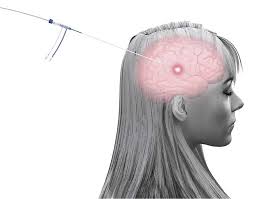
No — laser eye surgery itself does not cause seizures. The excimer laser used in LASIK pulses up to 1,050 times a second — so
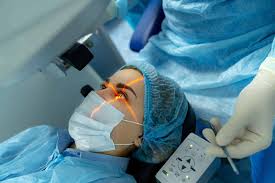
No — it isn’t true hallucination. It’s dysphotopsia: real light scattered by your healing cornea. A true hallucination has no physical cause at all —

Yes — most patients can drink coffee again within 24 hours of LASIK. Full caffeine tolerance returns within days, and almost no guide mentions what’s
No — LASIK is not cosmetic surgery. It’s classified as an elective, functional procedure that corrects a diagnosed refractive error — with its own diagnosis
The SMILE eye surgery power limit for myopia is -10.00D. That’s the myopia limit — but it’s not the whole picture. SMILE also corrects astigmatism

Yes — blepharitis doesn’t disqualify you from LASIK. Your surgeon will want it treated and under control first — but most pages stop right there.
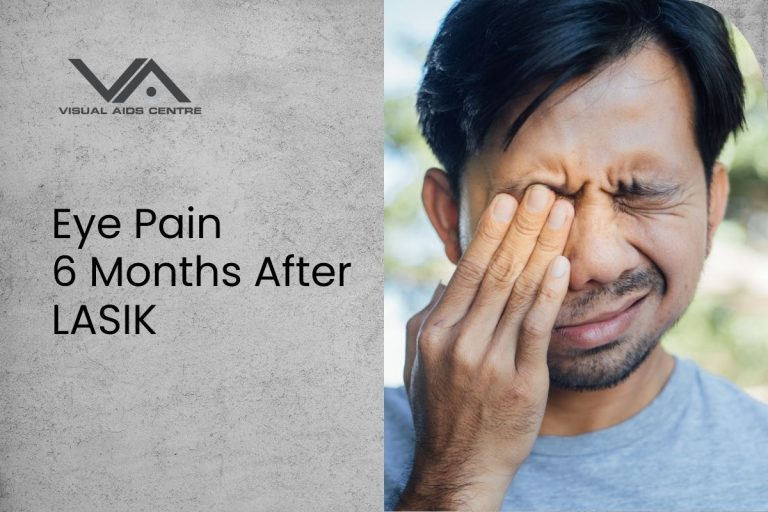
You’re not imagining it: about 1 in 4 LASIK and PRK patients in one study still had eye pain at six months, so it’s worth
Yes — most patients can color their scalp hair about one week after SMILE Pro eye surgery. Most pages give you one flat waiting period

No, not straight away. Your eye needs at least 3 smoke-free days, and ideally 2 to 4 nicotine-free weeks, to heal properly. Switching to a