
Your LASIK surgery went smoothly, your vision is already noticeably sharper, and now you’re wondering whether those eye exercises you used to do — palming, rolling, focus-shifting — are still safe. It’s a practical question, and one that comes up more often than you’d expect at Visual Aids Centre.
The short answer: yes, you can do eye exercises after LASIK — but not immediately, and not all exercises are appropriate during early healing. The corneal flap needs undisturbed time to bond, and certain pressure-based or rapid-movement exercises can interfere with that process if introduced too soon. This guide gives you a clear week-by-week timeline, explains which exercises genuinely help after laser vision correction, and flags the ones to avoid until your surgeon clears you.
Key Takeaways
- Avoid all eye exercises for the first 2 weeks after LASIK — the corneal flap is still stabilising and any unnecessary manipulation increases risk.
- Gentle exercises like blinking drills and the 20-20-20 rule can resume from week 3 onward, once your surgeon confirms adequate healing.
- Pressure-based exercises such as firm palming should wait at least 4–6 weeks to avoid flap displacement.
- Eye exercises will not sharpen your post-LASIK prescription — they support comfort, reduce digital strain, and maintain muscle flexibility.
Why You Need to Wait Before Doing Eye Exercises
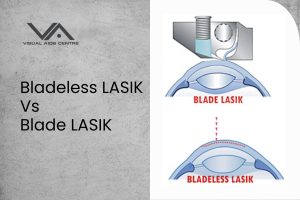
During LASIK, a femtosecond laser creates a thin corneal flap that is lifted, the underlying stroma is reshaped with an excimer laser, and the flap is repositioned. That flap begins bonding within hours, but the interface takes several weeks to reach meaningful stability. Any activity that creates mechanical pressure on the eyeball or involves touching the periorbital area can jeopardise this healing.
Eye exercises are not as passive as they sound — many involve deliberate muscle contractions or direct contact with the eyelids. Palming requires pressing your palms against closed eyes. Eye-squeezing drills engage the orbicularis oculi muscle firmly around the globe. In the first few weeks after surgery, these can exert enough force to wrinkle or micro-shift the flap. Understanding how corneal nerves regenerate helps explain why the surface remains especially vulnerable to mechanical irritation during this window.
The restriction is not permanent — it is a timing issue. Once the cornea has stabilised and your follow-up examinations confirm solid healing, most eye exercises become entirely safe again.
Week-by-Week Eye Exercise Timeline After LASIK
Week 1–2: Complete Rest
No eye exercises of any kind. This is the most critical healing phase. Your focus should be on using prescribed drops, wearing protective eyewear, and following the standard post-LASIK precautions. Avoid rubbing, squeezing, or pressing on your eyes — even lightly.
Week 3–4: Gentle Reintroduction
If your surgeon confirms adequate flap adhesion at the 2-week follow-up, you can begin simple exercises: slow blinking drills, the 20-20-20 rule for reducing digital eye strain, and gentle near-far focus shifts. Keep sessions short — 2 to 3 minutes at a time — and stop immediately if you feel any discomfort or unusual dryness.
Week 5–8: Broader Range
By this stage, most patients can safely perform smooth eye-rolling, figure-eight tracking, and convergence exercises. Light palming without firm pressing may also be reintroduced. Patients who are also resuming physical workouts after LASIK should coordinate their full activity timeline with their surgeon to avoid compounding strain.
Month 3 and Beyond: Full Routine
At the three-month mark, the cornea is functionally stable for nearly all patients. You can return to your complete eye exercise regimen without restrictions, including yoga-based eye techniques. For those curious about body-based practices, our guide on yoga after LASIK covers the broader dos and don’ts.
Eye Exercises That Are Safe After LASIK
Once you are past the initial healing window, the following exercises can genuinely help your day-to-day visual comfort — particularly if your work involves extended screen time.
The 20-20-20 Rule
Every 20 minutes, look at something 20 feet away for 20 seconds. This relaxes the ciliary muscle responsible for near focus and is one of the most effective habits for managing post-LASIK eye strain. You can start this as early as week 3.
Deliberate Blinking
Close your eyes gently, hold for two seconds, and open. Repeat ten times. This helps re-spread the tear film across the corneal surface — which matters greatly when post-surgical dry eye is still present. Blinking exercises are safe from week 2 onward.
Near-Far Focus Shifts
Hold a pen at arm’s length, focus on it for 5 seconds, then shift your gaze to an object across the room for 5 seconds. Repeat 10 times. This builds accommodative flexibility without any mechanical pressure on the eye.
Smooth Eye-Rolling
Slowly roll your eyes in a full circle — clockwise, then anticlockwise — five times each direction. Keep the movement slow and controlled. Avoid any sudden or jerky motions. Safe from week 5 onward.
What to Avoid During Recovery
Firm palming — pressing your palms hard against closed eyes — should be avoided for at least 4 to 6 weeks. The same applies to any exercise that involves squeezing the eyes shut tightly, as this engages muscles around the globe and can transmit force to the flap. If you have been wondering why physical exercise is restricted after LASIK, the logic for eye exercises follows the same principle: mechanical stress on a healing cornea is the core concern.
You should also avoid prolonged, unbroken screen sessions in the first month. The disrupted tear film after LASIK means your corneal surface dries out faster than normal when you concentrate on a screen without blinking. Pair any screen work with deliberate blink breaks and lubricating drops.
How Eye Exercises Support Your Long-Term Vision
It is important to set expectations clearly: eye exercises will not sharpen your prescription or reverse refractive regression. LASIK permanently reshapes the cornea, and no muscle-based exercise can replicate that optical change. What eye exercises can do is support the comfort, flexibility, and stamina of your visual system — which matters more than ever when you are adjusting to life without glasses.
Patients who maintain a simple daily routine of blinking drills, focus-shifting, and screen breaks consistently report less end-of-day fatigue and fewer dry eye flare-ups. For a broader overview of daily habits that protect your results, our article on keeping eyes healthy after LASIK covers nutrition, screen hygiene, and follow-up schedules.
Conclusion
Eye exercises are safe after LASIK — provided you respect the healing timeline. The first two weeks are strictly hands-off. From week three, gentle exercises like the 20-20-20 rule can begin. By week five to eight, most patients can resume a full range of eye movements, and by three months, there are no restrictions at all. Always follow your surgeon’s personalised advice and attend every scheduled follow-up. If you are considering LASIK eye surgery in Delhi or need guidance on your post-operative recovery, book a consultation at Visual Aids Centre.
Frequently Asked Questions (FAQs)
Can I do eye exercises immediately after LASIK?
No. Avoid all eye exercises for at least 2 weeks. The corneal flap needs uninterrupted time to stabilise, and even gentle exercises can create unnecessary pressure during this critical healing window.
Will eye exercises improve my vision after LASIK?
They will not change your prescription or sharpen acuity. They help reduce digital eye strain, maintain muscle flexibility, and support tear film stability — contributing to day-to-day comfort.
Is palming safe after LASIK?
Light palming — cupping your hands over closed eyes without pressing — is generally safe from week 5. Avoid firm pressure on the eyes for at least 6 weeks to protect the healing flap.
When can I start the 20-20-20 rule after LASIK?
From week 3, once your surgeon confirms that initial healing is progressing normally. It is one of the safest and most effective habits for managing screen-related eye fatigue post-surgery.
Are yoga eye exercises safe after LASIK?
Gentle yoga eye exercises — slow tracking and focus shifts — are safe from approximately week 5. Avoid inverted postures or exercises that involve squeezing the eyes shut until your surgeon gives clearance, typically by week 6 to 8.
Should I consult my doctor before starting eye exercises after LASIK?
Yes, always. Every patient’s healing timeline is different, and your surgeon can advise based on your specific corneal assessment at follow-up.
👁️ MEDICALLY REVIEWED BY
Padmashree Dr. Vipin Buckshey
Optometrist & Post-Operative Care Specialist | AIIMS Graduate, 1977 | Padma Shri Honouree
With more than four decades of clinical experience and over 250,000 laser vision correction procedures performed at Visual Aids Centre, Dr. Vipin Buckshey has guided hundreds of thousands of patients through post-LASIK recovery — addressing everyday concerns like eye strain, exercise timing, and dryness with the same clinical precision applied to the surgery itself. An AIIMS alumnus, former President of the Indian Optometric Association, and official optometrist to the President of India, Dr. Buckshey ensures every piece of recovery advice at the centre is grounded in real clinical outcomes. Learn more about our story.