
For many people, mascara is a daily non-negotiable — so one of the first practical questions after booking LASIK is a surprisingly common one: when can I wear it again? It is a fair thing to ask, because eye makeup and freshly operated eyes are not an immediate match. The good news is the wait is short, and knowing the timeline lets you plan your return to your routine without risking your recovery.
This guide from Visual Aids Centre explains exactly how long to wait before wearing mascara after LASIK, why mascara in particular needs care, and how to protect your healing eyes as you ease back into your beauty routine.
Key Takeaways
- Avoid mascara and all eye makeup for at least a week after LASIK — sometimes two, as your surgeon advises.
- Mascara is a special risk because it flakes into the eye and can carry bacteria.
- Replace old mascara and eyeliner with fresh products to avoid introducing infection.
- When you resume, apply gently and remove makeup carefully without rubbing.
- Other beauty treatments like lash curling and threading have their own waiting periods.
How Long Should You Wait?
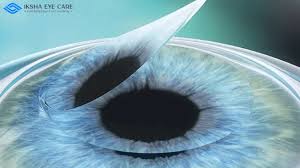
The standard guidance is to avoid mascara — and all eye makeup — for at least one week after LASIK. Some surgeons advise up to two weeks, depending on how you heal. This window protects the eye while the corneal surface settles and, in flap-based procedures, while the flap seals.
It is worth waiting the full recommended time rather than rushing it. The surface of your eye is at its most vulnerable in these early days, and makeup is one of the easier risks to simply avoid. If you have had a flapless procedure instead, the timing can differ slightly.
Why Mascara Needs Special Care
Of all eye cosmetics, mascara deserves the most caution — for two specific reasons.
- It flakes. Tiny particles of mascara can shed into the eye throughout the day. On a healing eye, that debris risks irritation or disturbing the surface.
- It harbours bacteria. The warm, moist wand of a used mascara tube is a known reservoir for bacteria — the last thing you want near eyes that are still healing and more prone to infection.
This is also why eye makeup features so prominently in post-operative advice generally; mascara is simply the highest-risk item in the bag.
Returning to Mascara Safely
Once your surgeon clears you, a few simple habits keep your comeback safe:
- Start with fresh products. Replace your old mascara and eyeliner — bacteria build up over time, and new tubes remove that risk entirely.
- Apply gently. Avoid tugging at your lashes or lids, and keep the wand away from the lash root and waterline at first.
- Remove with care. Use a gentle remover and avoid rubbing — our guide on removing eye makeup after LASIK shows the safe way.
- Keep lashes clean. If you notice debris, our tips on cleaning your eyelashes and dealing with crusty lashes help.
Other Eye Beauty Treatments
Mascara is not the only beauty routine with a waiting period. As a rough guide, anything that tugs, heats, or brings products close to the eye needs time:
- Lash curling: wait until cleared — see curling lashes after LASIK.
- False eyelashes: the adhesives and tugging need extra time — our note on false eyelashes after LASIK explains.
- Kajal: applied right at the waterline, so it needs care — here is when kajal is safe again.
- Eyebrow threading and facials: see threading after LASIK and getting a facial.
Protecting Your Eyes Long-Term
Once you are fully healed, you can return to your normal beauty routine with confidence — LASIK does not restrict makeup forever, just during the short healing window. A couple of lasting habits are still worth keeping: replace eye cosmetics regularly to limit bacteria, and always remove makeup before bed to keep your eyes healthy.
Conclusion
So, how long after LASIK can you wear mascara? Plan for at least a week, possibly two, and only once your surgeon gives the go-ahead. Mascara earns its caution because it flakes and can carry bacteria — both risks to a healing eye — so when you do return, start with fresh products, apply gently, and remove with care. It is a small, short pause for the sake of a smooth recovery and a lifetime of clear, glasses-free vision.
Have a specific question about your recovery or beauty routine? Get in touch with Visual Aids Centre, or learn more about the procedure on our LASIK eye surgery page.
Frequently Asked Questions (FAQs)
How long after LASIK can I wear mascara?
Wait at least one week, and up to two if advised, before wearing mascara. Only resume once your surgeon confirms your eyes have healed enough.
Why can’t I wear mascara right after LASIK?
Mascara flakes into the eye and its wand can carry bacteria, both of which risk irritating or infecting a healing eye during the vulnerable early days.
Do I need to buy new mascara after LASIK?
Yes, it is strongly recommended. Old tubes accumulate bacteria, so starting fresh when you resume removes a needless infection risk.
When can I wear other eye makeup like eyeliner and kajal?
Generally around the same one-to-two-week window. Kajal and eyeliner sit close to the waterline, so apply them gently once cleared.
How should I remove eye makeup after LASIK?
Gently, with a mild remover and no rubbing. Rubbing can disturb the healing surface, so be especially careful in the first weeks.
Can I get eyelash extensions or a lash lift after LASIK?
Wait until fully cleared, as adhesives, tugging, and products near the eye need extra healing time. Check with your surgeon first.
👁️ MEDICALLY REVIEWED BY
Padmashree Dr. Vipin Buckshey
Optometrist & Laser Vision Correction Specialist | AIIMS Graduate, 1977 | Padma Shri Honouree | Former President, Indian Optometric Association
Visual Aids Centre was founded by Vipin Buckshey and became the first eye centre in Delhi to introduce LASIK surgery, in 1999. Across more than 250,000 laser vision correction procedures, the team fields everyday practical questions like this one constantly — and believes good aftercare advice should be specific and livable, not vague. As the official optometrist to the President of India and a Padma Shri honouree, Dr. Buckshey draws on four decades of refractive experience to help patients return to their routines safely and confidently. Learn more about our story.