
Lasik Eye Surgery
Does LASIK Remove Tissue?
Yes, LASIK (Laser-Assisted in Situ Keratomileusis) removes a small amount of corneal tissue to reshape the cornea and correct vision problems. By doing so, it


Yes, LASIK (Laser-Assisted in Situ Keratomileusis) removes a small amount of corneal tissue to reshape the cornea and correct vision problems. By doing so, it
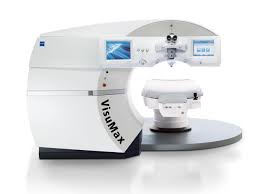
Higher laser frequencies are typically considered more efficient for LASIK procedures. They result in faster ablation, reduced corneal heating, and improved patient outcomes while maintaining
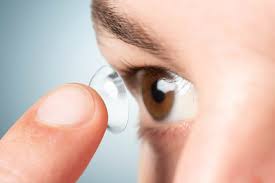
Yes, you can use Ortho-K contact lenses after LASIK, but it depends on several factors, including your specific needs, the condition of your cornea, and

No, you should avoid squeezing your eyes after LASIK surgery. Pressure on your eyes during recovery can slow healing, affect results, and cause complications. Gentle
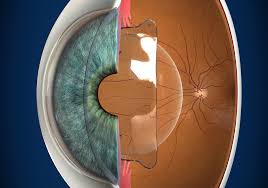
The minimum keratometry for LASIK eye surgery is generally considered to be 40.00 diopters (D), as values below this threshold significantly increase the risk of

LASIK surgery results are designed to be permanent, but its effectiveness can diminish over time due to natural changes in the eye or other factors.
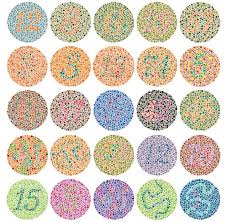
Yes, LASIK is allowed for DGCA Class 1 medical certification, but there are specific guidelines and requirements that must be met to ensure you are

Night vision disturbances after LASIK are a common, though temporary, side effect for many patients. These issues often include glare, halos, and difficulty seeing in
Yes, it is possible to donate your eyes after LASIK. However, the corneas, which are directly altered by LASIK, may not be suitable for transplantation.

To reduce glare after LASIK, it’s essential to protect your eyes, adopt healthy habits, and use prescribed treatments to ensure proper recovery. With some adjustments